
Published on
February 26, 2026
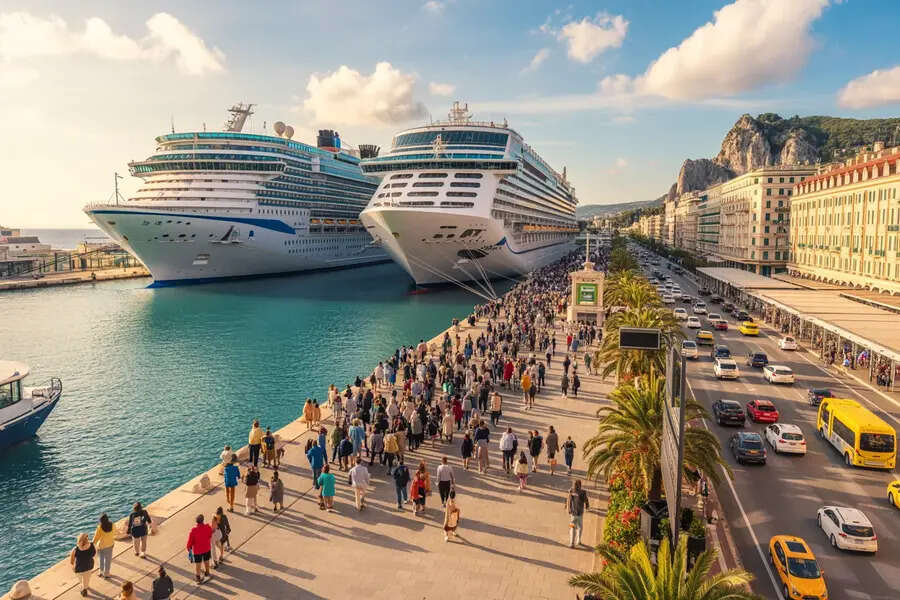
Image generated with Ai
Portugal joins the United Kingdom, Spain, Germany, Italy, Greece, Finland, and more in Europe as cruise tourism continues to support nearly four hundred fifty thousand jobs and boost regional economic growth in 2024. The cruise industry remains a vital economic driver, creating jobs across a diverse range of sectors, from port services and hospitality to shipbuilding and logistics. This growth not only strengthens local economies but also helps develop sustainable tourism in coastal and island communities, highlighting cruise tourism’s critical role in Europe’s ongoing economic recovery.
In 2024, cruise tourism continues to be a significant economic driver across Europe, with an estimated nearly four hundred fifty thousand jobs supported by the industry. This remarkable statistic illustrates the far-reaching impact of the cruise sector, with key European countries contributing substantially to employment, local economies, and the broader maritime industry. The cruise industry’s influence goes beyond just port cities, creating job opportunities in a wide range of sectors, from tourism and hospitality to logistics and shipbuilding.
The Growing Economic Power of Cruise Tourism in Europe
Cruise tourism plays a pivotal role in the economic landscape of Europe, contributing to job creation and local economic development. In 2024, it was estimated that nearly four hundred fifty thousand jobs were supported by the cruise industry across the continent, underscoring its importance to Europe’s maritime economy. This impact extends far beyond just the cruise ships themselves, as the industry involves a complex web of businesses, suppliers, and service providers that span from coastal cities to inland areas.
With the demand for cruise vacations remaining strong, the industry has seen sustained growth, particularly in regions known for their popular ports. These jobs are spread across a diverse range of sectors, including port services, hospitality, retail, transportation, and even shipbuilding. The economic contributions from cruise tourism are felt throughout many European countries, making it an integral part of the overall tourism and economic infrastructure.
Key Countries Leading the Charge in Cruise Tourism Employment
As cruise tourism expands across Europe, a number of countries have emerged as key contributors to job creation and economic growth. These nations benefit from not only cruise ship operations in their waters but also from a range of support services that enable the sector to thrive. Below is a closer look at how some of Europe’s most influential countries are playing a significant role in supporting the cruise tourism industry.
- Portugal
- Cruise Tourism Impact: Portugal has witnessed a substantial boost in cruise tourism, with its ports becoming increasingly popular destinations for international cruise lines. The country has benefited greatly from the industry, with a considerable number of jobs supported across coastal regions. The economic impact has been felt both in major cities like Lisbon and Porto, as well as in smaller, regional ports. Cruise tourism is also a key driver of tourism-related spending, such as in hospitality, transportation, and local attractions.
- United Kingdom
- Cruise Tourism Impact: The United Kingdom has long been a central hub for the cruise tourism industry, contributing a large share of the nearly four hundred fifty thousand jobs supported in 2024. With major cruise ports such as Southampton, Dover, and Liverpool, the UK has remained a prime location for cruise ship departures, with numerous jobs in the tourism, logistics, and hospitality sectors. The UK’s well-established infrastructure and robust tourism network make it one of the leading contributors to cruise tourism employment in Europe.
- Spain
- Cruise Tourism Impact: Spain is one of Europe’s most popular cruise destinations, with cities like Barcelona, Palma de Mallorca, and Málaga attracting millions of passengers annually. The country’s cruise ports are essential to its tourism economy, and the sector supports thousands of jobs in both coastal and inland areas. Cruise-related employment includes port services, excursions, and accommodation, helping to bolster Spain’s tourism industry year-round.
- Germany
- Cruise Tourism Impact: As one of Europe’s largest economies, Germany has seen growing support from cruise tourism in recent years. The country’s major ports, including Hamburg and Bremerhaven, have become key departure points for cruises, generating significant employment opportunities. German suppliers also play an important role in cruise ship building, making the country a key player in the global cruise sector. Additionally, Germany’s role as both a cruise destination and a home port for many major cruise lines contributes to the economy at both the local and national levels.
- Italy
- Cruise Tourism Impact: Italy is one of Europe’s most influential cruise tourism destinations, with iconic cities like Venice, Rome, and Naples drawing large numbers of passengers. The country’s strategic location in the Mediterranean makes it a favorite for cruise itineraries, and as such, cruise tourism has a major economic impact, providing employment for thousands of Italians. Italy’s strong cruise infrastructure supports a wide range of jobs, from port operations and hospitality to tour guides and cruise line staff.
- Greece
- Cruise Tourism Impact: Greece is synonymous with stunning islands and historic coastal cities, making it one of Europe’s top cruise destinations. The country’s ports, such as Piraeus (Athens) and Santorini, are frequently visited by cruise ships, supporting local economies and creating employment opportunities in various sectors. Greek islands, in particular, benefit from the influx of tourists, with cruise tourism playing a crucial role in economic stability and job creation for coastal communities.
- Finland
- Cruise Tourism Impact: Finland, with its rich maritime heritage, is another European country that has seen notable growth in the cruise tourism industry. The port of Helsinki is a key hub for Baltic Sea cruises, and Finnish islands and coastal towns attract visitors year-round. Finland benefits from the cruise sector through job creation in hospitality, retail, and transportation. Additionally, Finland has developed a strong reputation for sustainable tourism, attracting environmentally conscious cruise passengers.
- France
- Cruise Tourism Impact: France’s cruise tourism industry continues to grow, with major ports like Marseille and Nice leading the charge. The country is home to several world-renowned cultural attractions that draw cruise tourists, and as a result, local economies in these regions see a significant boost. Cruise-related jobs in France are spread across the tourism, retail, and hospitality sectors, with smaller, coastal towns seeing the most direct benefit from the influx of passengers.
- Norway
- Cruise Tourism Impact: Norway has become a key player in the European cruise tourism industry, with its stunning fjords and picturesque coastal cities attracting a steady flow of cruise tourists. Norwegian ports, such as Bergen and Stavanger, benefit from the cruise sector, generating employment in hospitality, excursions, and transportation. Cruise tourism is also an important part of Norway’s regional economies, providing much-needed stability to remote coastal communities.
- Other Key European Destinations
- Countries like Croatia, Sweden, and Malta also contribute to the cruise tourism workforce, providing essential jobs in ports and hospitality. These countries, known for their unique landscapes and cultural heritage, have seen growing demand for cruise tourism, creating thousands of jobs and helping to promote more sustainable tourism practices.
Economic Contributions of the Cruise Industry
The cruise sector’s economic impact extends far beyond the 445,000 jobs it supports in Europe. The industry also contributes to local economies through direct spending on goods and services, as well as investments in infrastructure. Key sectors benefiting from cruise tourism include:
Advertisement
Advertisement
- Port Services: The cruise industry relies heavily on port infrastructure, including docking facilities, baggage handling, and customs operations. This creates a significant number of jobs in port cities across Europe.
- Tourism and Hospitality: The arrival of cruise passengers stimulates demand for hotels, restaurants, and local attractions. In many European countries, cruise tourists spend money on excursions, shopping, and dining, benefiting local businesses.
- Shipbuilding and Maintenance: Several European countries are home to major cruise shipyards, including Italy, Germany, and France. Shipbuilding and maintenance contribute significantly to job creation, especially in coastal regions.
- Logistics and Supply Chains: Cruise lines require goods and services, ranging from food and beverages to electronics and entertainment. Local suppliers that provide these items see a direct boost from cruise industry demand.
As Europe continues to recover from global challenges, the cruise tourism industry is poised to remain a key economic engine across the continent. With nearly four hundred fifty thousand jobs supported in 2024, the sector’s impact is undeniable. The industry’s resilience, coupled with its contribution to local economies, underscores its importance in both maritime and tourism sectors.
Portugal joins the United Kingdom, Spain, Germany, Italy, Greece, Finland, and more in Europe as cruise tourism supports nearly four hundred fifty thousand jobs and drives regional economic growth in 2024. This growth is fueled by increased demand for cruise travel, benefiting local economies through job creation and supporting industries like hospitality, logistics, and shipbuilding.
Advertisement
Advertisement
The expansion of cruise tourism, combined with ongoing investments in sustainable practices, will likely lead to continued growth in the coming years. Cruise lines and their partners will work towards diversifying offerings, improving experiences for passengers, and enhancing the economic impact for local communities. As a result, more jobs will be created, and more regions will benefit from the ever-growing cruise tourism sector.
