Endless Corridor is a feature-length documentary directed by Aleksandras Brokas and Mindaugas Urbonavičius and narrated by Jeremy Irons. It revisits the events of 26 February 1992 in Khojaly during the Nagorno-Karabakh war, following Lithuanian journalist Ricardas (Richard) Lapaitis and Russian journalist Victoria Ivleva as they return to Azerbaijan years later. The film connects wartime reporting with present-day testimony, interviewing survivors and witnesses and tracing how trauma, loss, and memory persist. Built around personal encounters rather than geopolitics, it aims to document a human-rights tragedy through lived experience. About 60 minutes long, it has screened internationally and sparked discussion about accountability.
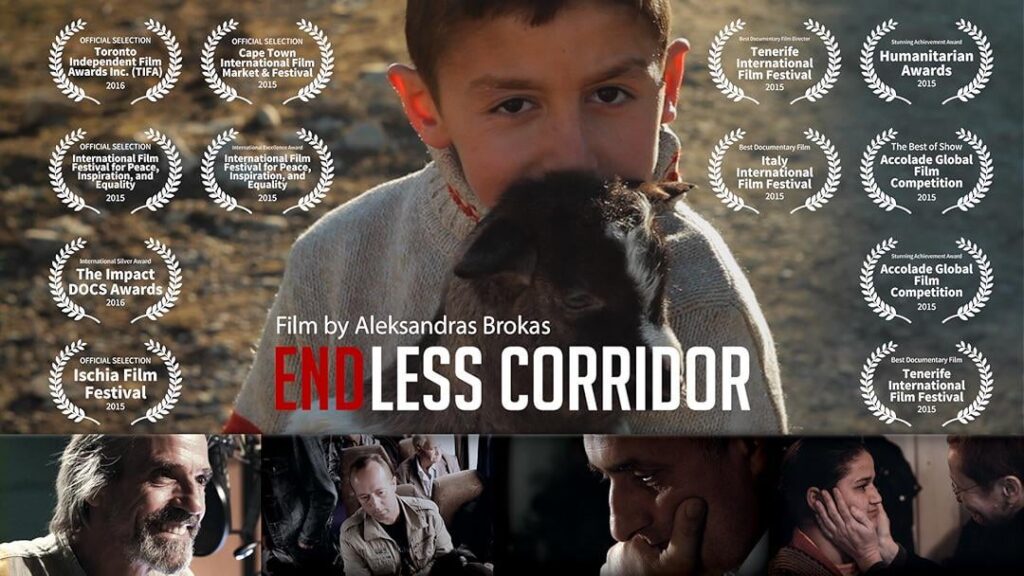
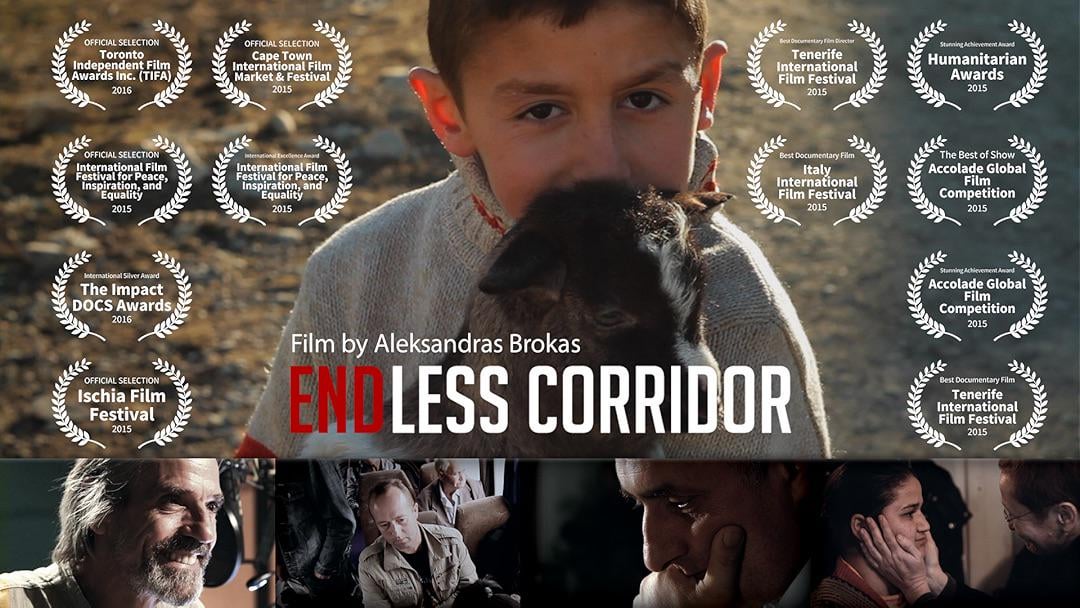
Well, documentaries like these represent the true history of Azerbaijan. Look at all the awards it recieved. Many of the awards come from associations related to “human rights”, which some Azerbaijanis critisise for being “pro-Armenian”. The reality is, if it is not state-backed (especially by an oil-rich authoritarian state), propagandized, and solely tells the story, then it can become very successful. Azeris should not be ashamed to tell their story. Moreover, they, as individuals, should tell their story instead of the government rather propagandizing it.

3 Comments
Endless Corridor is a feature-length documentary directed by Aleksandras Brokas and Mindaugas Urbonavičius and narrated by Jeremy Irons. It revisits the events of 26 February 1992 in Khojaly during the Nagorno-Karabakh war, following Lithuanian journalist Ricardas (Richard) Lapaitis and Russian journalist Victoria Ivleva as they return to Azerbaijan years later. The film connects wartime reporting with present-day testimony, interviewing survivors and witnesses and tracing how trauma, loss, and memory persist. Built around personal encounters rather than geopolitics, it aims to document a human-rights tragedy through lived experience. About 60 minutes long, it has screened internationally and sparked discussion about accountability.
[Watch on YouTube](https://www.youtube.com/watch?v=yDNS5JFWdzA)
Well, documentaries like these represent the true history of Azerbaijan. Look at all the awards it recieved. Many of the awards come from associations related to “human rights”, which some Azerbaijanis critisise for being “pro-Armenian”. The reality is, if it is not state-backed (especially by an oil-rich authoritarian state), propagandized, and solely tells the story, then it can become very successful. Azeris should not be ashamed to tell their story. Moreover, they, as individuals, should tell their story instead of the government rather propagandizing it.