
Published on
February 27, 2026
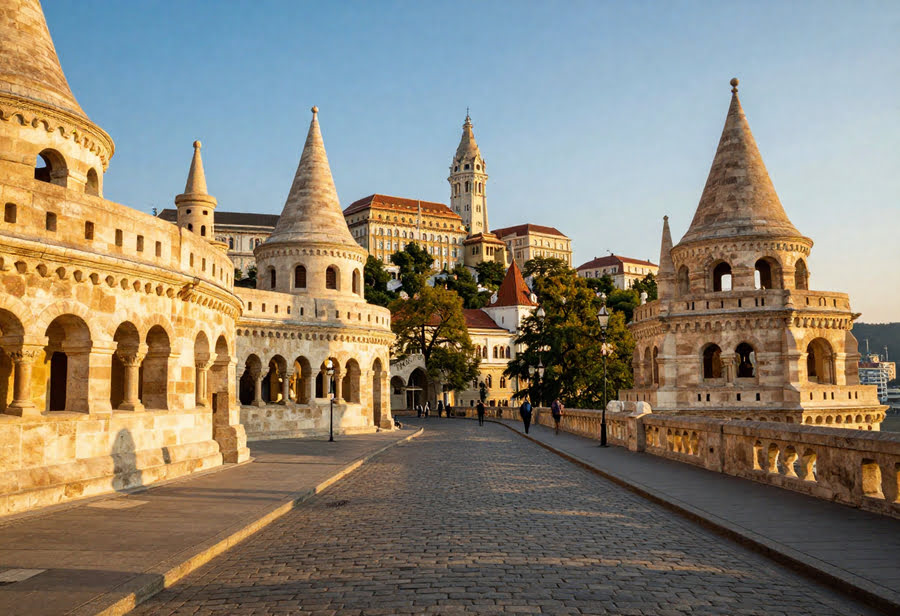
Image generated with Ai
Poland has become a key player in Hungary’s growing international tourism market, joining long-established markets like Germany, Romania, the UK, and the Czech Republic. This surge in arrivals is driven by Hungary’s rich cultural heritage, affordable travel options, and effective marketing strategies that have boosted its visibility across Central and Eastern Europe. Easy accessibility from Poland and Hungary’s increasing reputation as a destination for both urban escapes in Budapest and natural retreats around Lake Balaton have particularly attracted Polish tourists. With growth from these major markets, Hungary is firmly establishing itself as a top European destination.
Hungary’s tourism sector made an impressive start to 2026, reporting strong growth in both domestic and international arrivals. In January 2026, the number of tourists increased by 5.3% compared to January 2025, while tourism nights rose by 3.6%, reflecting the country’s expanding appeal. Seasonally adjusted data shows a 4% rise in arrivals and a 2.7% increase in nights, demonstrating consistent demand.
The domestic tourism market performed well, with a 4.6% increase in arrivals, reaching 494,000 visitors. Domestic tourism nights grew by 2.5%, totaling 1 million nights. Hotels remain the preferred accommodation choice for domestic tourists, accounting for 87% of commercial accommodation stays, with hotel guest numbers up by 6.2% from the previous year. Budapest saw an 11% rise in domestic arrivals, while Lake Balaton recorded a 3.4% increase. The Pécs region had the highest growth, with a 21% rise in arrivals, while Tokaj and Nyíregyháza experienced a slight decline of 3.9%. Domestic travel outside Budapest remained particularly strong, with Hungarian residents accounting for most overnight stays.
Hungary’s international tourism sector also showed positive results. Foreign arrivals grew by 6%, reaching 573,000 international visitors. Tourism nights for international travelers increased by 4.4%, totaling 1.3 million nights. When adjusted for seasonality, foreign arrivals rose by 5.8%, and tourism nights increased by 4.1%. Foreign visitors most frequently arrived from Germany, Romania, Poland, the United Kingdom, and the Czech Republic, reflecting the country’s strong appeal within Central Europe and beyond. As with domestic tourism, hotels played a crucial role in hosting foreign visitors, accounting for 87% of foreign arrivals. Guest numbers for international tourists at hotels grew by 6.4%, indicating a strong demand for quality accommodations in Hungary.
Advertisement
Advertisement
Budapest once again led the way for international tourism, with a 7.8% increase in foreign arrivals. Lake Balaton also saw a 7.3% rise in international visitors. The Greater Budapest region recorded the most substantial regional growth, with foreign arrivals up by 22%. However, the Gyula region saw a notable 23% drop in foreign visitors, highlighting some regional disparities in Hungary’s international tourism market.
Hungary offers a wide range of accommodation options to cater to different types of tourists. In total, 20,367 tourist accommodation establishments welcomed visitors in January. Among these, 2,088 were commercial units, including 924 hotels and 857 boarding houses, while the remaining 18,279 were private or alternative accommodations. This diverse range ensures that Hungary can meet the needs of all travelers, from those seeking luxury experiences to those on a budget.
Advertisement
Advertisement
The financial performance of the tourism accommodation sector also showed promising results. Gross sales revenue for accommodation establishments reached HUF 66.4 billion, marking an 8% increase compared to the same period in 2025. However, spending via the Széchenyi Recreation Card, a popular payment method for tourists, saw a slight decrease of 4.5%, totaling HUF 2.1 billion.
Poland has joined Germany, Romania, the UK, and the Czech Republic as a key driver of Hungary’s tourism growth in January 2026, thanks to Hungary’s cultural appeal, affordable travel, and improved accessibility.
Advertisement
Advertisement
Overall, Hungary’s tourism industry is in a strong position for continued growth. Both domestic and international markets are experiencing positive trends, with notable increases in arrivals and tourism nights across the country. Hungary’s ability to provide a wide range of attractions, accommodation options, and experiences ensures that it remains a popular destination for tourists from around the world. With this continued upward trajectory, Hungary is well-positioned to attract even more visitors in the months and years ahead.
