
Published on
February 27, 2026
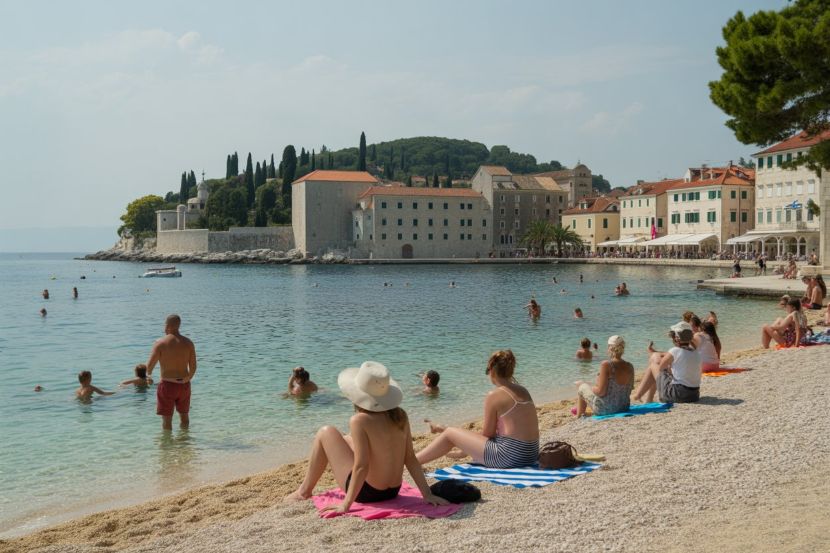
Image generated with Ai
Croatia’s tourism sector has long been a cornerstone of its economy, attracting millions of visitors annually. As we head into 2026, the country’s tourism appeal is growing even stronger, particularly with the increasing investment from Germany. Official reports indicate that German capital continues to flow into Croatia, cementing the destination’s role as one of the top spots for international investment. With government-backed initiatives and a diverse tourism portfolio, Croatia’s tourism industry is poised for a significant boost in the coming years.
Recent findings show that German investment is playing a pivotal role in the growth of Croatia’s tourism sector. In fact, Croatia is now one of the top tourism investment destinations in Central and Eastern Europe for German companies. According to the latest KPMG survey, 15% of German firms have expressed their intent to invest in Croatian tourism in 2026. This marks a slight decline from previous years, but it still demonstrates the region’s ongoing appeal. German investors have historically been attracted to Croatia’s natural beauty, robust infrastructure, and the country’s steady growth in tourism revenue.
The Croatian government is fully aware of the importance of this investment and has put forth several strategic initiatives to foster tourism-related business development. Through the official Invest in Croatia portal, the government has streamlined procedures and provided incentives for foreign investors. Croatia’s unique selling points include its coastal charm, vibrant cultural heritage, and a wide range of tourism offerings, including nautical, wellness, and cultural tourism. These factors have made it an attractive destination not only for tourists but also for investors.
Since joining the European Union, Croatia has made significant strides in improving its infrastructure, which has helped attract even more international visitors. With over 160,000 people employed in the tourism sector and more than 32,000 companies operating in the industry, Croatia is a well-established player in European tourism. Government data also shows that tourism revenues reached €4.15 billion in the first half of 2024 alone. This growth trend has continued, supported by efforts to extend the tourism season beyond the summer months, which has traditionally been the peak period for visitors.
Advertisement
Advertisement
Croatia’s commitment to sustainable tourism is evident in its ongoing efforts to promote responsible travel practices. The Sustainable Tourism Development Strategy for 2030 has been pivotal in shifting the focus from short-term gains to long-term sustainability. By investing in year-round tourism, Croatia has not only mitigated the seasonal nature of tourism but also boosted its reputation as an eco-conscious destination. The UNESCO-recognized heritage, rich gastronomic traditions, and diverse landscapes are all part of the country’s well-rounded tourism experience.
Another key factor contributing to Croatia’s tourism boom is its accessibility. With well-established air, sea, and road transport links, Croatia offers easy access to major European markets. This accessibility makes it an ideal destination for short and long-term visits alike. The Croatian government’s continued focus on improving connectivity further enhances the country’s attractiveness to both tourists and investors.
Advertisement
Advertisement
Looking ahead, Croatian officials are optimistic about the future of tourism in the country. The EU funds, particularly the Recovery and Resilience Facility, are expected to contribute to further investments in tourism infrastructure, including sustainable accommodations and new attractions. These funds will also support projects that create jobs, develop local businesses, and enhance the tourism experience for visitors from all over the world.
In conclusion, Croatia’s tourism sector is not just surviving but thriving, thanks to a combination of foreign investment, government strategy, and sustainable practices. The increasing interest from German investors, coupled with the country’s ongoing development plans, ensures that Croatia remains a key European destination for global tourists. As Croatia strengthens its year-round tourism offerings and diversifies its attractions, the future looks bright for both tourists and the businesses that serve them. The country’s tourism growth in 2026 is set to be a testament to the success of long-term planning and international collaboration. With these foundations in place, Croatia’s place on the global tourism map is secure for years to come.
