
Published on
February 28, 2026
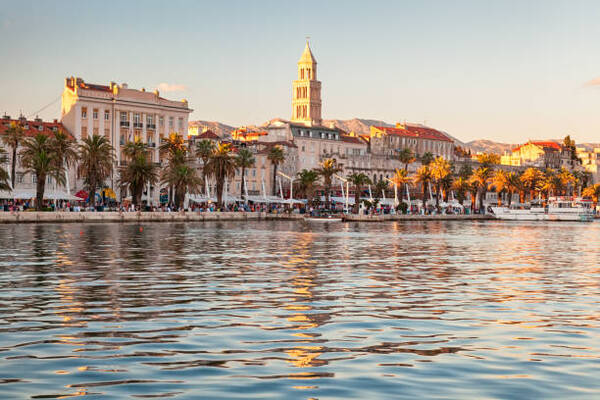
Image generated with Ai
In response to growing concerns over disruptive late-night behaviour, Croatia’s Split is introducing a bold alcohol sales ban after 8pm in certain areas. This move aims to curb public drunkenness and noise disturbances caused by rowdy tourists, ensuring a more peaceful environment for both residents and visitors. By restricting alcohol sales in off-licences and grocery stores, the city hopes to redirect consumption to licensed venues, such as bars and clubs, where it can be better managed. This decision is part of Croatia’s broader effort to balance tourism with local well-being and promote a safer, more enjoyable atmosphere for all.
A vibrant seaside city in Croatia, known for its lively nightlife and stunning coastal views, is preparing to implement new measures aimed at reducing late-night disturbances caused by alcohol consumption. Split, Croatia’s most popular tourist destination, is renowned for attracting millions of visitors annually who flock to the city for its beautiful beaches, rich history, and bustling nightlife. However, as tourist numbers surge, particularly during the summer months, local authorities are seeking ways to address antisocial behaviour and reduce the impact of excessive drinking on both residents and visitors.
Split is the country’s largest coastal city and one of the most important tourist hubs in the Mediterranean. Over one million tourists visit the city each year, drawn by its ancient Roman architecture, stunning seaside vistas, and lively party scene. The city’s reputation as a destination for vibrant nightlife, with its abundance of bars, clubs, and outdoor festivities, has made it a prime hotspot for young travellers looking to enjoy the Mediterranean’s social scene. However, concerns have grown over the negative impact that late-night drinking and unruly behaviour have on the community. As a result, officials have announced plans to introduce new regulations designed to curb these issues while preserving the city’s allure as a must-visit destination.
A proposal has been put forward by the city council to ban the sale of alcohol during the late hours in certain areas of Split. The targeted locations are those areas with high concentrations of clubs, bars, and 24-hour shops that serve alcohol. Under the proposed measures, alcohol sales will be prohibited in grocery stores and off-licences from 8pm to 6am. This ban will not extend to licensed venues, such as restaurants, nightclubs, and bars, where alcohol can still be consumed. By limiting access to alcohol after hours, city officials aim to reduce instances of public drunkenness and the disturbances it causes, particularly in areas where the nightlife is most concentrated and residents live in close proximity to bars and clubs.
The city council’s proposal is set to be implemented during the upcoming summer season, as authorities are preparing for another influx of visitors. Local leaders have also discussed the possibility of expanding the alcohol sales ban to additional areas of the city if the measures prove effective. While the proposal has been met with some concerns from local business owners, officials stress that the aim is not to stop visitors from having fun, but rather to redirect alcohol consumption to more appropriate locations, where the behaviour can be better managed and controlled.
Split has long been regarded as a party city, attracting young tourists from all over the world who want to experience the bustling nightlife that the city offers. However, there has been a noticeable shift in Croatia’s tourism sector in recent years, as the country attempts to diversify its offerings and rebrand its image. While Croatian tourism has historically focused on its nightlife and coastal resorts, there has been a growing emphasis on promoting the country’s cultural heritage, natural beauty, and family-friendly attractions. This rebranding effort aims to position Croatia as a more balanced and sustainable destination, appealing to a broader range of visitors, from those seeking relaxation and cultural experiences to those interested in the country’s outdoor adventures and heritage sites.
Advertisement
Advertisement
The rebranding of Croatian tourism reflects a broader trend in the European tourism industry. Many European destinations, especially those known for their vibrant party scenes, are now focusing on creating a more responsible, sustainable tourism model. Authorities are increasingly taking measures to curb antisocial behaviour, such as excessive alcohol consumption, in an effort to preserve the quality of life for local residents while still attracting tourists. Croatia is not the only country to implement such measures; other popular destinations, especially in Spain, have already put similar regulations in place.
In several Spanish tourist hotspots such as Magaluf in Mallorca, Playa de Palma, and San Antonio in Ibiza, local authorities have taken steps to limit alcohol consumption in certain areas. Off-licence alcohol sales in these regions are prohibited between 9:30pm and 8am, and there are additional restrictions on promotions such as “happy hour” deals and all-you-can-drink offers. These locations have also banned self-service alcohol dispensers and the sale of alcohol from vending machines. Pub crawls and party boat tours have also been restricted in an effort to reduce the impact of excessive drinking on both locals and tourists. Similar measures are being considered across various European destinations as part of a wider effort to maintain the social fabric of communities while still catering to the tourism industry.
Advertisement
Advertisement
The shift in tourism focus is aimed at preserving the cultural and social atmosphere of popular destinations like Split. Local business owners have expressed concerns that the new measures might affect their revenue, as the nightlife scene is a significant part of the local economy. However, experts argue that the goal is to balance tourism with the well-being of the local population. Reducing late-night disturbances could make Split a more attractive place to live for residents while ensuring that tourists still have a great time in the city’s bars, restaurants, and nightclubs. By focusing alcohol consumption in more controlled environments, the city aims to improve the overall visitor experience while maintaining the integrity of its neighbourhoods.
The proposed measures in Split, along with similar policies across Europe, reflect a growing recognition of the need to manage tourism responsibly. As the summer months approach and more visitors are expected to arrive, cities like Split are working to create a sustainable, enjoyable experience for both locals and tourists alike. By limiting alcohol sales at late hours and promoting more responsible drinking, authorities hope to strike a balance that allows tourists to enjoy the vibrant nightlife the city is known for, without negatively impacting the local community. This approach offers a model for other European cities grappling with the challenges of balancing tourism, resident quality of life, and responsible behaviour.
