
Published on
February 28, 2026

Image generated with Ai
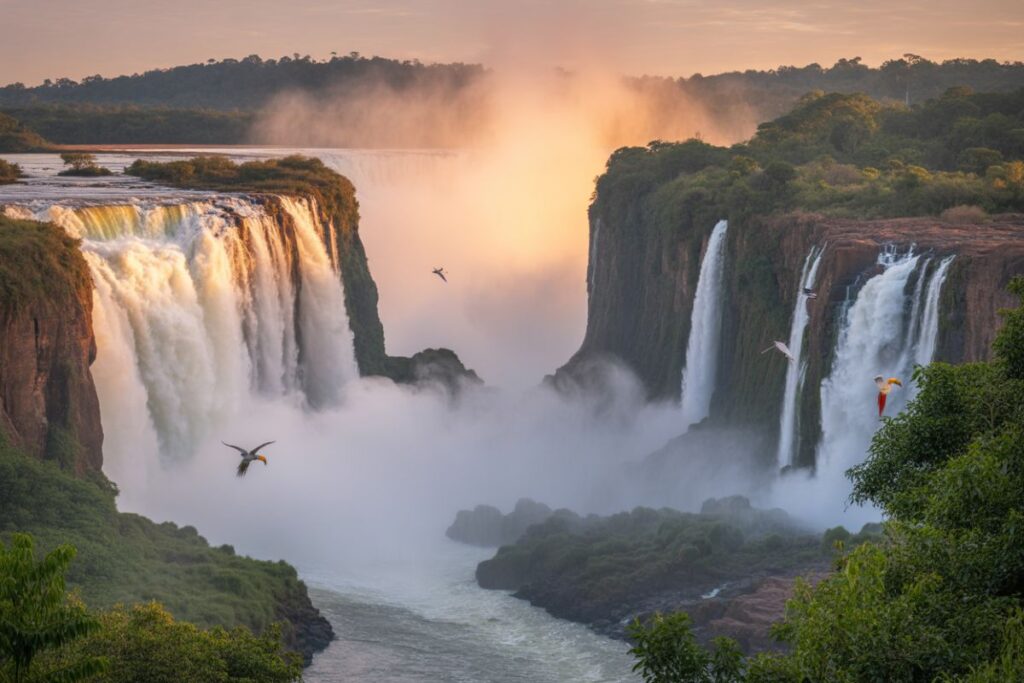
Brazil has introduced a groundbreaking visa-waiver policy this year, aimed at simplifying entry for travelers from several key countries, including China, Denmark, France, Hungary, Ireland, Jamaica, and others. This move is set to significantly boost tourism to Brazil, attracting millions of visitors from these nations, eager to explore its rich culture, beautiful landscapes, and vibrant cities. The new policy removes visa barriers, making it easier for tourists to visit Brazil for up to 90 days. By easing travel procedures, Brazil hopes to not only increase its international tourist arrivals but also enhance its position as a top destination for both leisure and business tourism in 2026. This strategic decision aligns with Brazil’s goal of surpassing pre-pandemic tourism levels and stimulating long-term economic growth.
Key Details of the Visa Waiver Policy
The policy is designed to streamline travel to Brazil by reducing the complexity of entry procedures, in a bid to boost tourism numbers beyond the pre-pandemic levels. By easing access for travelers from these eight countries, the Brazilian government aims to significantly increase annual foreign tourist arrivals, which had reached 6.6 million before the pandemic. The visa-waiver policy is part of a broader strategy to stimulate economic growth through tourism and promote Brazil as a key destination for both leisure and business travelers.
The visa exemption applies solely to the aforementioned European and Caribbean nations, except for China, where the policy is reciprocal. Since mid-2025, Brazil has been benefiting from a visa-free entry agreement with China, and this reciprocal arrangement further enhances the bilateral travel dynamics.
According to Embratur, Brazil’s tourism agency, the new measure could potentially generate an additional US$350 million in tourist spending in 2026 alone, with a notable portion of this revenue stemming from visitors attending conferences and meetings. In fact, meetings and events tourism is expected to account for approximately 25% of the additional revenue.
Advertisement
Advertisement
China: A Major Source of Growth for Brazil’s Tourism

Image generated with Ai
China has become an essential part of Brazil’s tourism boom, with the newly implemented visa-waiver allowing easier access for Chinese tourists. Since Brazil and China initiated reciprocal visa-free agreements, Brazilian destinations have seen a rise in visitors from major Chinese cities. This influx is expected to drive significant economic growth, especially in sectors like luxury travel, business tourism, and cultural exchange. As Chinese travelers seek new international experiences, Brazil’s rich heritage and vibrant cities offer a fresh, enticing adventure, from the Amazon rainforest to the cultural scene in São Paulo. With Chinese airlines increasing capacity, tourism and trade relations will continue to thrive, benefiting both nations’ economies.
Denmark: Denmark’s Affluent Travelers Head to Brazil’s Shores
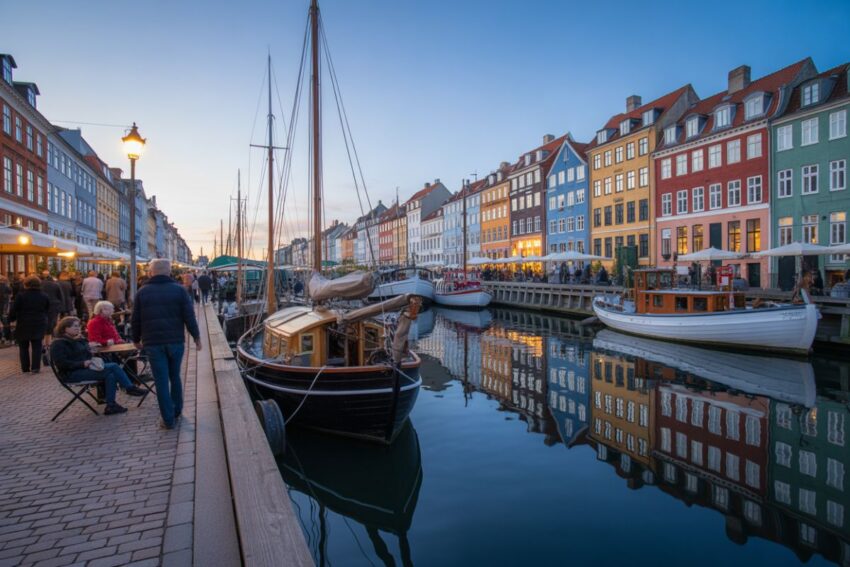
Image generated with Ai
Denmark’s affluent travelers are keen on exploring Brazil’s natural beauty and cultural offerings, from its iconic beaches to the rich historical towns. The visa waiver encourages more Danish visitors to experience Brazil’s diverse landscapes, including the magnificent Iguazu Falls and Rio’s Carnival. Denmark’s close ties with the European Union and its eco-conscious population align well with Brazil’s sustainable tourism initiatives, making the destination appealing to Danish eco-tourists. By removing visa barriers, Brazil makes it easier for Danes to enjoy everything from the Amazon’s biodiversity to the booming urban culture in Rio de Janeiro, creating long-term economic growth through tourism-related expenditures.
Advertisement
Advertisement
France: French Tourists Flock to Brazil’s Rich Cultural Experience

Image generated with Ai
France has long been a significant contributor to Brazil’s tourism sector, with French travelers attracted by Brazil’s vibrant cultural scene, beaches, and cuisine. The new visa waiver allows French tourists to explore Brazil without the previous hassle of applying for a visa, making it easier for them to visit during peak seasons, such as the Rio Carnival. Brazil’s cultural attractions, such as colonial architecture, jazz festivals, and gastronomic tours, offer a perfect match for French tourists’ tastes. The increase in visitors from France is expected to boost Brazil’s tourism revenues, with French travelers bringing in significant spending for both leisure and business tourism.
Hungary: Hungary’s Enthusiastic Travelers Enhance Brazil’s Tourism Market
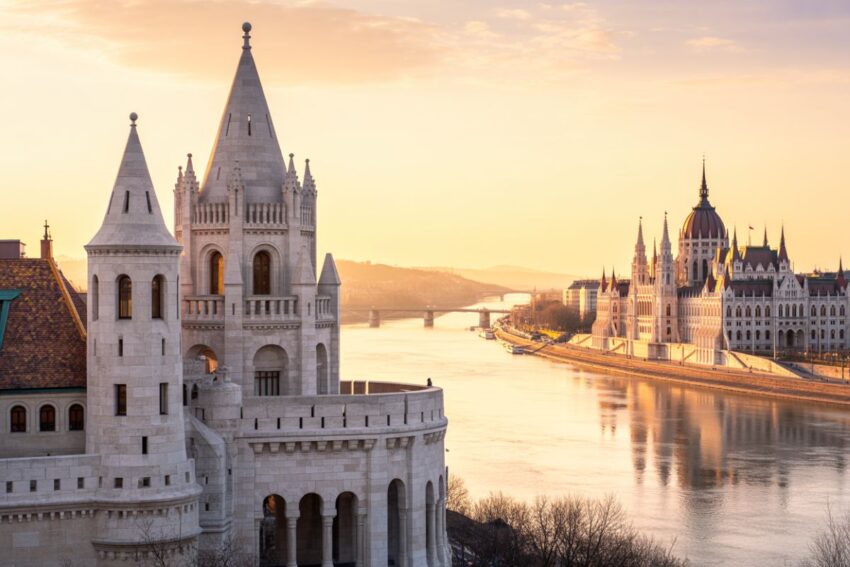
Image generated with Ai
Hungarian tourists are increasingly drawn to Brazil’s diverse landscapes and rich cultural experiences. With the visa-waiver policy in place, Hungary has become another vital source of visitors to Brazil, especially for adventure tourists eager to explore the Amazon Rainforest and Pantanal. Hungary’s growing middle class is now looking beyond traditional European destinations, seeking exotic vacations in Brazil’s beautiful coastal cities and vibrant urban hubs. This new wave of Hungarian travelers will positively impact Brazil’s hospitality industry, tourism operators, and local economies as they spend on tours, accommodation, and experiences in both the bustling city centers and remote areas.
Ireland: Irish Travelers Expand Brazil’s Eco-Tourism Reach

Image generated with Ai
Ireland’s travelers have increasingly gravitated towards Brazil for its stunning nature reserves and eco-tourism offerings. The Irish are known for their passion for outdoor adventure, making Brazil’s tropical rainforests, pristine beaches, and wildlife-rich landscapes an attractive destination. The visa-waiver for Irish citizens opens up new opportunities for both leisure and eco-tourism. Ireland’s strong relationship with sustainability aligns well with Brazil’s initiatives to promote eco-friendly travel options, such as sustainable lodges and conservation programs in the Amazon and Pantanal. This shift will enhance Brazil’s tourism growth while providing eco-conscious Irish travelers with unique, memorable experiences.
Jamaica: Jamaican Visitors Boost Brazil’s Caribbean Tourism Sector
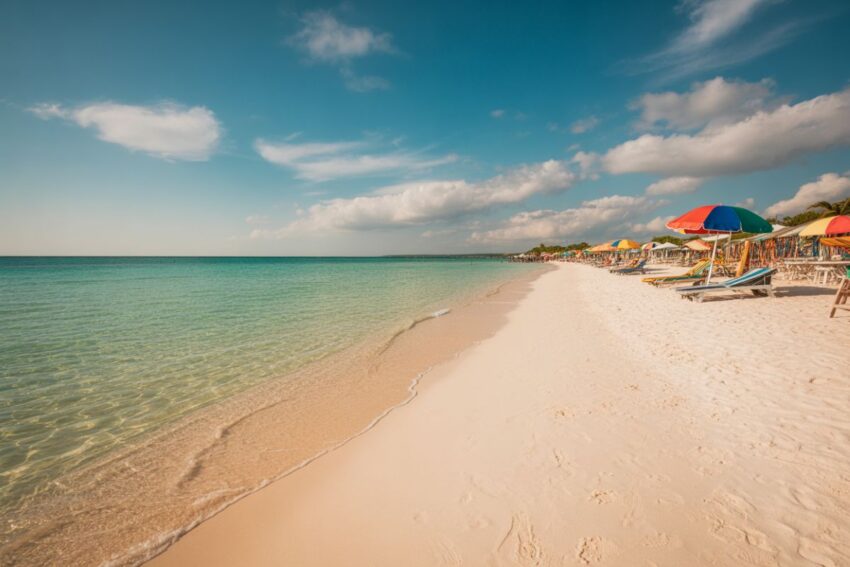
Image generated with Ai
Jamaica, a country with a rich cultural heritage and a growing tourism industry, is sending an increasing number of visitors to Brazil, drawn by its exciting attractions. The visa-waiver policy is expected to lead to a surge in Jamaican arrivals, particularly from the country’s well-travelled and culturally aware population. Jamaican tourists are keen on Brazil’s lively music, art, and dance scenes, especially during Carnival and festivals. As Brazil strengthens ties with the Caribbean, this influx of Jamaican visitors will further bolster the sector by increasing tourism-driven revenue, helping the country to become a key player in Caribbean tourism.
What Does the Visa Waiver Cover?
The visa waiver permits visitors from the eligible countries to travel for purposes such as tourism, attending conferences, exploratory business meetings, or short-term training sessions. However, it is important to note that the waiver does not cover remunerated work. Any foreign worker planning to engage in paid employment or stay beyond the 90-day limit will still be required to obtain the appropriate work visa or temporary residence authorization.
For instance, employees sent by companies to Brazil who intend to stay for extended periods or engage in local services will need a VITEM V (temporary work visa) or a VITEM XI (temporary business visa). As such, mobility managers within organizations should be proactive in updating their internal policies and travel systems to prevent employees from overstaying their welcome or engaging in unpermitted activities.
Border Entry and Travel Requirements
Travelers eligible for the visa waiver will receive a 30-day entry stamp at the Brazilian border, which is automatically issued upon arrival. To benefit from this waiver, travelers must ensure that their passport is valid for at least six months. Additionally, they may be asked to present proof of onward travel and demonstrate that they have sufficient funds to cover their stay in Brazil.
The extension of the initial 30-day stay is possible via Brazil’s Polícia Federal electronic portal, where travelers can apply for an extension of up to an additional 60 days, for a total of 90 days within a 12-month period. The current fee for an extension is R$168, which must be paid through the online portal.
Corporate and Travel Industry Impact
This new policy is expected to make it easier for businesses to send staff to Brazil for short-term meetings or training. However, corporations should remain mindful of the specific rules governing the visa waiver to ensure full compliance. Travel managers and HR teams should carefully review the requirements and set up automated reminders to track the length of each employee’s stay, in order to avoid exceeding the 90-day limit.
VisaHQ, a trusted visa services provider, offers a range of services that can help businesses and travelers verify eligibility for the new visa-waiver system and obtain the correct work visas when necessary. Their step-by-step guidance and document-checking tools are valuable resources for managing travel compliance and reducing administrative burdens.
Long-Term Considerations for Brazil’s Immigration Policy
Looking to the future, the Brazilian government is studying the possibility of aligning the new 30-day visa-exempt rule with the longer 90-day stays currently in place for visitors from Mercosur countries such as Argentina and Uruguay. This would harmonize the rules for travelers coming from neighboring countries in South America and make it even easier for foreign nationals to visit Brazil for longer periods.
Until any such changes are implemented, companies operating in Brazil should continue to build automated systems to remind travelers of the shorter 30 day limit, ensuring that everyone adheres to the country’s immigration laws.
In conclusion, China joining Denmark, France, Hungary, Ireland, Jamaica, and other nations in Brazil’s groundbreaking visa-waiver policy is a significant move that will undoubtedly boost tourism this year. This policy simplifies entry procedures, allowing easier access for travelers from these countries, which will increase foreign tourist arrivals. With China contributing to this influx, alongside the positive impact from Denmark, France, Hungary, Ireland, Jamaica, and other countries, Brazil stands poised for a surge in both leisure and business tourism. This year’s increased tourism is expected to generate significant economic growth, with meetings and events tourism playing a crucial role in this revival. The new visa-waiver policy is a strategic step towards revitalizing Brazil’s tourism industry and positioning it as a top global destination.
