
Published on
February 28, 2026
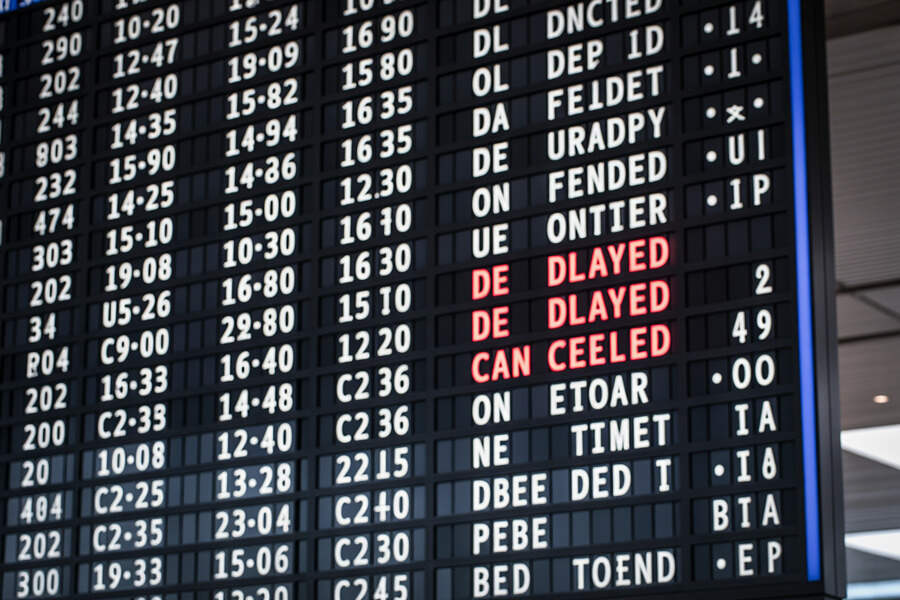
Image generated with Ai
American Joins Lufthansa, Air France, Turkish, KLM, IndiGo, LOT Polish and Other Airlines In Freezing Flights to Middle East Amid US-Israel Air Strikes on Iran, Triggering Travel Disruptions Across Key Airports in Europe, Asia, and the Gulf. As the US-Israel military strikes on Iran intensify, a wave of flight suspensions has swept across the Middle East, with major international carriers such as American Airlines, Lufthansa, Air France, Turkish Airlines, KLM, IndiGo, and LOT Polish grounding flights due to escalating security concerns and widespread airspace closures. These disruptions are not only impacting travel between Europe, Asia, and the Gulf, but are also causing significant delays and cancellations, as airports in key cities such as London Heathrow, Paris Charles de Gaulle, Dubai, and Tel Aviv face unprecedented levels of chaos. The decision to freeze operations is driven by the increasing military activity and the immediate threat to civilian air traffic in the region.
The Middle East, a vital hub for global aviation, is currently experiencing an unprecedented wave of flight suspensions, cancellations, and airspace closures. The region has become a focal point for international travel disruptions following the escalation of military conflicts, particularly in light of recent US-Israel strikes on Iranian soil. As tensions escalate, major airlines across Europe, the Gulf, Asia, and the United States have suspended flights to and from key Middle Eastern destinations, grounding flights and rerouting others as part of ongoing security measures. American Airlines, Lufthansa, Air France, Turkish Airlines, KLM, IndiGo, LOT Polish Airlines, and numerous other carriers have all been affected, leaving travelers stranded and uncertain about their journey plans.
This article takes an in-depth look at how each of these airlines has responded to the situation, the reasons for halting flights, and the far-reaching impact on passengers and global air travel.
American Airlines Freezes Middle East Routes Amid Heightened Security Concerns
American Airlines, one of the largest carriers in the United States, has joined the ranks of global airlines suspending services to the Middle East in light of the recent military tensions between the US, Israel, and Iran. This decision comes as the airline takes precautionary measures to ensure the safety of its passengers and crew. While American Airlines has not officially suspended all flights to the Middle East, several of its long-haul services to cities such as Doha, Dubai, and Tel Aviv have been grounded due to airspace closures in the region.
One of the most notable disruptions occurred when an American Airlines flight from Philadelphia to Doha was forced to return mid-flight after the aircraft had already been airborne for several hours. The diversion was caused by the closure of major Middle Eastern airspace, including Qatar’s airspace, which prevented the plane from reaching its destination. Although American Airlines has not yet issued a complete suspension of Middle Eastern routes, it is closely monitoring the situation and continues to reroute flights and issue travel advisories.
This ongoing disruption has left thousands of passengers scrambling to find alternative arrangements, with delays affecting both outbound and inbound services. American Airlines’ decision to pause services until airspace safety can be guaranteed underscores the magnitude of the challenges facing airlines in the wake of the current conflict.
Advertisement
Advertisement
Lufthansa Grounds Flights to Middle East Amid Security Threats
Lufthansa, one of Europe’s leading carriers, was among the first to ground flights to the Middle East in response to the escalating conflict. The airline announced the suspension of all flights to Tel Aviv, Dubai, Muscat, and Beirut for the weekend of March 1-3, 2026. These cancellations were prompted by the increased security risks in the region, including the closure of Israel’s airspace and ongoing military operations.
Lufthansa, which operates daily flights to several Middle Eastern destinations, was forced to suspend these services to ensure passenger and crew safety. The carrier has cited “heightened risks due to the ongoing conflict and concerns about missile attacks” as key reasons for halting flights. Passengers booked on these routes have been advised to check for alternative arrangements, as the airline continues to monitor the situation and reassess its operations.
Advertisement
Advertisement
In addition to flight cancellations, Lufthansa has also warned of significant delays across its European network as the airspace closures ripple through global air travel corridors. As a result, travelers planning to fly through hubs like Frankfurt, Munich, and Zurich are facing uncertainty and long waiting times.
Air France Suspends Flights to Tel Aviv and Beirut Following Regional Tensions
Air France, another major European carrier, has also suspended flights to the Middle East, including services to Tel Aviv and Beirut. The airline’s decision to ground flights to Israel and Lebanon was made in response to Israel’s airspace closure and ongoing military operations in the region. While Paris-Charles de Gaulle Airport remains open for flights, Air France has deemed it unsafe to operate in this region due to the risk posed by potential military strikes and the disruption of civilian air corridors.
The airline’s suspensions are in place until at least March 7, 2026, with a possibility of extensions depending on developments. Air France has prioritized passenger safety by rerouting other flights and providing assistance to affected travelers, but many passengers have faced long delays and cancellations.
Turkish Airlines Suspends Flights to Iran and Iraq Amid Rising Regional Conflict
Turkish Airlines, which operates one of the largest flight networks connecting Europe to the Middle East, has also been forced to suspend several routes to the region. The airline announced it would halt flights to Tehran and Baghdad, citing the dangerous security environment exacerbated by escalating military tensions.
Turkey’s geographical location places it directly between Europe and the Middle East, making Turkish Airlines a key player in regional and long-haul air travel. However, with airspace restrictions in place, Turkish Airlines has had to adjust its flight paths, rerouting services to avoid closed zones. Flights from Istanbul to both Iran and Iraq have been grounded until further notice, and additional flights to Syria have also been suspended.
This suspension has had a significant impact on travelers looking to connect between Europe and the Middle East, with many passengers left scrambling for alternative routes.
KLM Suspends Tel Aviv Services, Citing Regional Security Risks
Dutch carrier KLM followed suit by suspending its flights to Tel Aviv, Israel. The airline, which operates a robust network of flights between Amsterdam and several Middle Eastern cities, took immediate action to protect its passengers from potential dangers posed by the ongoing conflict in the region. The decision to cancel flights from Amsterdam Schiphol to Tel Aviv Ben Gurion International was made following the closure of Israeli airspace and the uncertainty surrounding the safety of civilian flights in the region.
KLM has reassured its passengers that it is actively working to assist those affected by cancellations, offering refunds and alternative travel arrangements where possible. Travelers looking to reach Israel or the wider region from Europe are advised to check for the latest updates from KLM and other airlines before booking their flights.
IndiGo Halts Flights to the Middle East Due to Airspace Closures and Safety Concerns
Indian budget airline IndiGo, known for its extensive international network, has suspended flights to several Middle Eastern destinations. Dubai, Abu Dhabi, and Tel Aviv were among the first routes affected by the airspace closures resulting from the conflict. IndiGo issued a statement noting that it would temporarily halt services due to the ongoing security risks posed by the conflict in the region.
As one of India’s largest carriers, IndiGo plays a crucial role in connecting travelers from South Asia to the Middle East. With several of its routes affected, the airline has warned passengers of significant delays and cancellations. The carrier is working to accommodate affected travelers, but the uncertainty surrounding the conflict has forced it to scale back operations for the time being.
LOT Polish Airlines Suspends Flights to the Middle East as Tensions Rise
LOT Polish Airlines, the flagship carrier of Poland, has also suspended services to multiple Middle Eastern cities, including Tel Aviv and Dubai. The airline cited safety concerns due to the ongoing regional conflict and the closure of airspace over Israel and parts of the Gulf region as the primary reasons for halting these services.
LOT Polish Airlines has been forced to reroute flights and cancel several scheduled departures. While the airline remains committed to ensuring its passengers’ safety, travelers looking to fly from Warsaw to Tel Aviv or Dubai will need to seek alternative routes for the foreseeable future. LOT Polish Airlines continues to monitor the situation closely and has assured passengers that updates will be provided as the security situation evolves.
Other Airlines Affected by Middle East Airspace Closures
In addition to the major airlines mentioned above, several other carriers have been affected by the airspace closures in the Middle East. These include:
- Wizz Air, which suspended all flights to and from Israel, the UAE, and Jordan until March 7.
- Qatar Airways, which grounded flights to multiple Middle Eastern cities and rerouted several others to avoid airspace that has been shut down.
- Emirates has adjusted its flight schedules to ensure safe travel while avoiding the airspace closures.
- Etihad Airways and FlyDubai have also announced flight suspensions to certain destinations in the Middle East, including Tehran, Baghdad, and Damascus, in response to the ongoing military actions.
Overview of Airlines and Suspended Routes to the Middle East Due to Airspace Closures and Security Risks
The Global Impact of Flight Suspensions: Travelers Left Stranded
These widespread flight suspensions have left thousands of travelers stranded at airports across Europe, Asia, and the Middle East. Major international airports, such as London Heathrow, Frankfurt, and Dubai International, are facing significant delays as airlines scramble to adapt to the changing situation. Passengers are advised to check with their airlines for the latest flight statuses and potential rerouting options.
In addition to the cancellations, the situation has led to a surge in ticket prices as demand for alternative routes increases. Travelers are being urged to remain patient as airlines and government authorities continue to assess the safety of operating flights in affected regions.
As the geopolitical landscape continues to evolve, airlines and passengers alike are adapting to the uncertainty and risks posed by the conflict. For now, the Middle East remains a region fraught with security challenges, and it is unclear when airspace will reopen fully for civilian flight operations.
Travelers planning to visit the Middle East should expect further disruptions in the coming weeks, with many airlines, including American Airlines, Lufthansa, Air France, Turkish Airlines, KLM, IndiGo, LOT Polish Airlines, and others, continuing to reassess their flight schedules and routes as new developments occur.
American Joins Lufthansa, Air France, Turkish, KLM, IndiGo, LOT Polish and Other Airlines In Freezing Flights to Middle East Amid US-Israel Air Strikes on Iran, Triggering Travel Disruptions Across Key Airports in Europe, Asia, and the Gulf. The recent US-Israel air strikes on Iran have led to widespread airspace closures and security concerns, prompting major airlines to suspend flights to and from the Middle East, causing significant disruptions to global travel.
In the meantime, travelers are encouraged to stay in close contact with their airlines, check for real-time updates on flight statuses, and prepare for longer journey times or alternative routing options. As airlines navigate this volatile situation, the safety of passengers remains the highest priority.
