
Published on
March 1, 2026
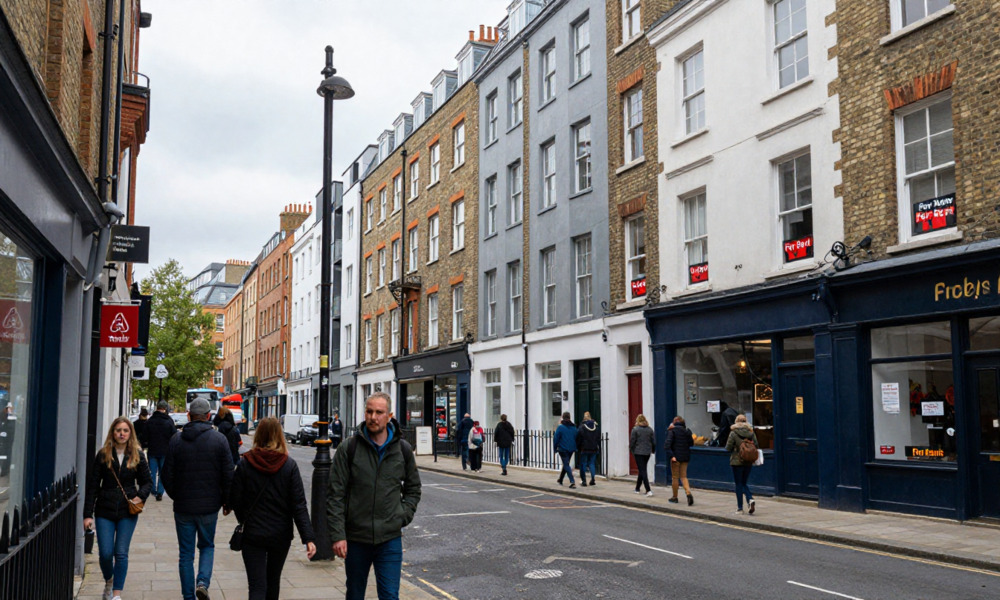
Image generated with Ai
Greece has taken a bold step by joining countries like Spain, Portugal, and the Netherlands in freezing new short-term rental licenses. This decision comes as a response to mounting concerns over housing affordability, particularly in tourist-heavy areas. By halting the expansion of platforms like Airbnb, Greece aims to address the growing shortage of long-term housing options, rising rents, and the displacement of local residents. As cities across Europe face similar challenges, this move reflects a broader trend where governments are attempting to strike a balance between benefiting from tourism and safeguarding the housing needs of their citizens.
Greece has joined a growing list of European nations, including Spain, Hungary, France, the Netherlands, and Portugal, in introducing measures to freeze new short-term rental licenses. This move is reshaping Europe’s tourism landscape and influencing urban housing markets. In response to mounting housing crises, Greece has moved from sporadic regulations to an outright freeze on new holiday rental licenses in popular districts. This marks a significant shift in how cities are handling platforms like Airbnb, as governments seek to balance tourism revenue with the need to ensure affordable housing for residents.
In Athens, the Greek government implemented a one-year freeze on new short-term rental registrations starting in 2025. This moratorium affects central districts like Kolonaki, Koukaki, and Exarchia, areas that have seen rising rent prices and decreasing availability of long-term housing. The freeze, which will be extended through 2026, aims to curb the conversion of residential properties into short-term rentals, a practice that has been driving up rental prices and pushing out local residents. This crackdown is not isolated to Athens; several other high-demand tourist destinations across Greece, including popular islands, will also be subject to these new restrictions.
Greece’s actions are part of a broader trend across Europe, where other countries have implemented similar measures to address housing affordability concerns. Spain, for example, has already forced platforms to remove tens of thousands of unlicensed or non-compliant listings in popular regions like Catalonia and Andalusia. In cities such as Barcelona and Madrid, housing protests have led to stricter regulations on short-term rentals, including the requirement for platforms to verify that listings meet local guidelines.
Advertisement
Advertisement
Portugal, which once embraced the digital nomad community, has also shifted its stance. In Lisbon and Porto, authorities have introduced moratoriums on new short-term rental licenses in central areas where tourist apartments have outnumbered long-term residences. The government has provided incentives to convert tourist properties back into traditional housing units, reflecting concerns over displacement and rising rent prices. Similarly, in France, cities like Paris, Lyon, and Marseille have implemented strict local regulations that limit the number of short-term rentals and require property owners to obtain special permissions before converting properties into tourist accommodations.
The Netherlands has also taken action, particularly in Amsterdam, where new permits for short-term rentals are severely restricted in historic areas. Other cities are implementing caps on the number of nights properties can be rented to tourists, aiming to reduce the impact of overtourism. These measures reflect a broader European shift toward limiting the growth of short-term rentals in order to preserve local housing markets and maintain a balance between tourism and residential needs.
Advertisement
Advertisement
Hungary has taken a more drastic approach. In Budapest, the government has introduced a two-year citywide moratorium on new short-term rental licenses, beginning in 2025. During this period, no new permits will be issued, effectively freezing the expansion of platforms like Airbnb in the Hungarian capital. Additionally, a complete ban on short-term rentals in the city’s District VI, a central neighborhood heavily affected by tourist accommodation, will come into effect in 2026. This ban is aimed at restoring balance to a market where short-term rentals had outpaced hotel capacity and reduced the availability of long-term rental housing.
These freezes are starting to have a noticeable impact on Europe’s tourism map. As key districts in cities like Athens, Lisbon, and Amsterdam become more difficult for investors to enter, many are turning their attention to secondary cities and suburban areas where regulations are less stringent. For travelers, this means a decrease in the availability of legal short-term rentals in historic city centers, leading to higher prices for the remaining licensed properties. In response, tourism boards are encouraging visitors to explore lesser-known neighborhoods or nearby towns, helping to distribute visitor traffic more evenly across the region.
Advertisement
Advertisement
For the short-term rental industry, the growing regulatory burden is forcing platforms to rethink their business models. In place of continued urban expansion, many platforms are focusing on compliance tools, data-sharing agreements with local governments, and promoting rural stays or longer-term bookings. This shift is contributing to a decentering of short-term rentals in European tourism, as more travelers seek out alternatives to traditional city-center accommodations.
The housing markets in affected cities are also feeling the effects of these changes. In Budapest, early data suggest that property prices in areas impacted by the moratorium are cooling, as investors who once relied on short-term rental income shift to long-term leases. Similar trends have been observed in Lisbon, Porto, and Barcelona, where stricter regulations are driving down the profitability of short-term rental investments. In Greece, real estate professionals report that investors are becoming more cautious, with some moving away from tourist-heavy areas like central Athens and instead focusing on suburban properties or traditional long-term rentals.
The freeze on new short-term rental licenses, while aimed at easing housing pressures, is not without its challenges. Property owners who purchased real estate at high prices with the expectation of earning rental income are now facing squeezed margins or losses. Local economies that depended on high-spending tourists are also feeling the effects of these regulatory changes. As more European countries adopt similar measures, debates over the balance between tourism and housing affordability are likely to intensify, and finding a solution that benefits both residents and investors will be a key challenge moving forward.
