
Published on
March 2, 2026
By: Rana Pratap
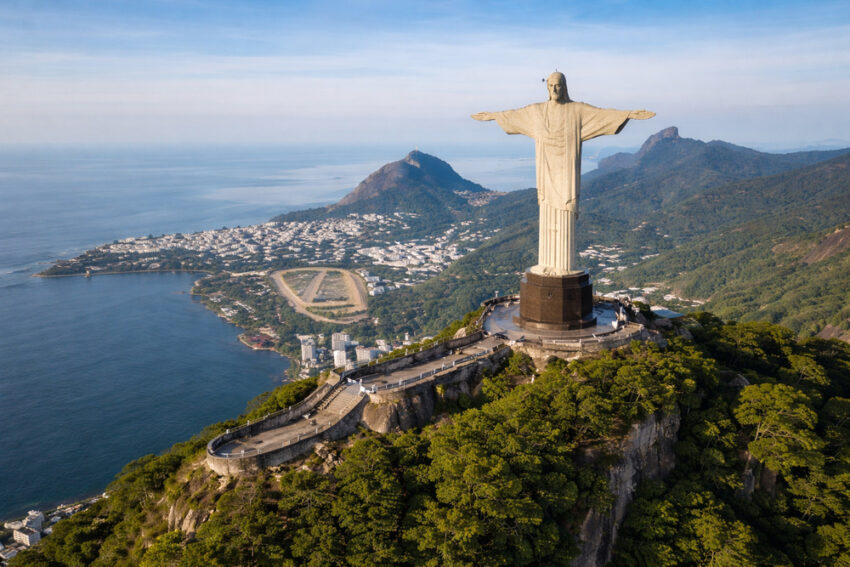
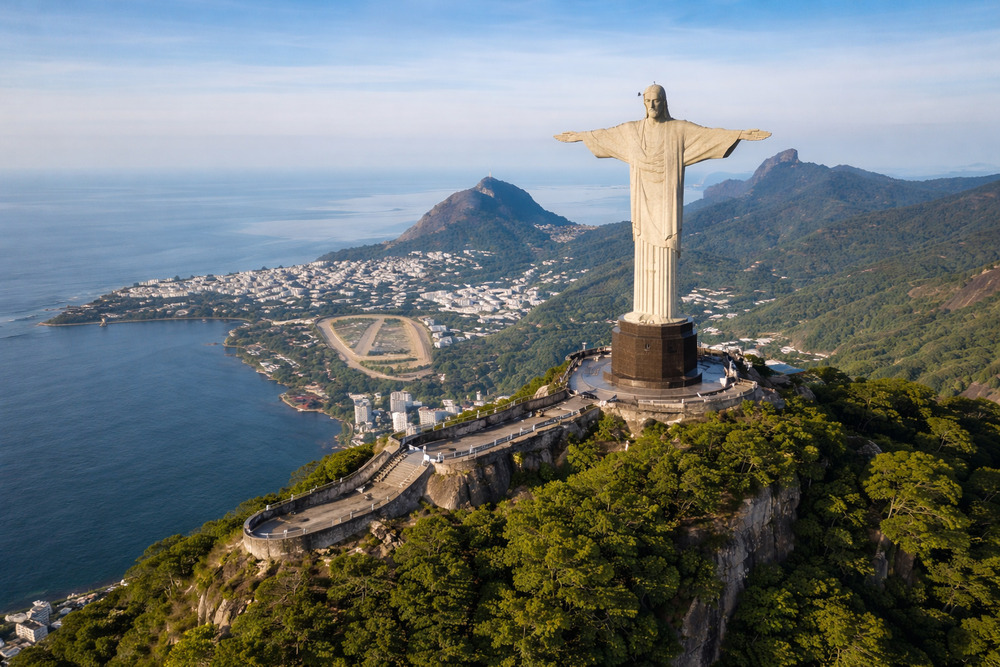
Image generated with Ai
As the South American country reassesses its global mobility strategy, Denmark unites with China, Hungary, Ireland, Jamaica, The Bahamas, and others in enjoying new visa-free travel to Brazil. Meanwhile, the United States and Canada lose their exemption under a revamped reciprocity policy. Brazil offers these chosen nations streamlined short-term entrance starting on February 24, 2026, in an effort to boost tourism, draw wealthy long-haul tourists, and strengthen bilateral commercial relations. At the same time, Brazil imposed visa rules in accordance with how Brazilian nationals are treated outside, meaning that Washington and Ottawa are no longer eligible for automatic admission. The change is the result of a calculated diplomatic and economic move to strengthen policy symmetry with North America, diversify source markets, and increase interaction with Europe, Asia, and the Caribbean. Practically speaking, as part of a larger strategic repositioning of Brazil’s tourist and foreign policy agenda, Denmark joins China, Hungary, Ireland, Jamaica, The Bahamas, and others in enjoying new visa-free travel to Brazil, while the United States and Canada lose this exemption.
A Strategic Pivot in Visa Policy
Brazil now allows nationals from the newly listed countries to stay for up to 30 days without a visa, with the option to extend their stay to a maximum of 90 days within a 12-month period. Authorities frame the move as a measure to stimulate tourism, increase business travel and deepen bilateral ties.
This policy did not emerge in isolation. Brazil recorded approximately 9.2 million international visitors in 2025, the highest total in its history. That figure represented growth of roughly 37 percent compared with the previous year. Officials aim to build on that momentum by lowering entry barriers for selected markets that show long-haul travel potential and strong economic links.
Why These Countries Matter
China stands out as a priority market. Even before visa-free access, Brazil actively courted Chinese tourists and investors. The new arrangement reflects reciprocal diplomacy and signals intent to capture a larger share of outbound Chinese travel.
Advertisement
Advertisement
Denmark, Hungary and Ireland expand Brazil’s reach into Northern and Central Europe. While these countries were not among Brazil’s largest source markets in 2025, policymakers view them as high-spending, culturally engaged travellers with strong interest in long-haul destinations.
Jamaica and The Bahamas strengthen Brazil’s Caribbean ties. The inclusion of these nations also reinforces South–South cooperation and regional tourism integration across Latin America and the Caribbean.
Advertisement
Advertisement
In practical terms, Brazil is diversifying its visitor base rather than relying solely on traditional South American markets such as Argentina and Chile, which continue to dominate arrivals.
The United States and Canada Lose Exemption
In contrast, Brazil reinstated visa requirements for travellers from the United States and Canada in April 2025. Americans remained one of the top source markets in 2025, contributing more than 750,000 visitors despite the policy change. Canada also represents a meaningful, though smaller, inbound market.
The decision reflects reciprocity. Brazil has long argued that its visa policy should mirror how other countries treat Brazilian citizens. By reintroducing visa requirements for Americans and Canadians, authorities aligned entry rules with diplomatic principles rather than pure tourism volume.
The contrast is striking. While Denmark, China, Hungary, Ireland, Jamaica and The Bahamas gain simplified access, travellers from the United States and Canada must now secure visas in advance. The message is clear: visa policy serves both economic and geopolitical objectives.
Economic Calculations Behind the Move
Brazil expects tangible financial gains. Industry groups estimate that liberalised entry rules could generate billions of reais in additional tourism spending. Hotels, airlines and event organisers anticipate increased bookings, particularly in the meetings and incentives sector.
Major carriers already operate extensive networks linking Europe and Latin America to Brazilian gateways such as São Paulo and Rio de Janeiro. Visa simplification reduces friction at the planning stage, which often determines whether travellers finalise long-haul trips.
Officials also see opportunity in business travel. Conferences, trade fairs and corporate events depend on smooth entry procedures. By granting visa-free access to selected European and Caribbean markets, Brazil strengthens its competitiveness as a host for international gatherings.
Tourism Growth With Guardrails
The new visa-free access applies to tourism and short business visits. It does not grant permission for technical or long-term employment activities. Travellers who intend to work in Brazil beyond attending meetings or conferences must still apply for appropriate authorisation.
This distinction allows Brazil to promote visitor growth while maintaining regulatory oversight of its labour market.
A Broader Diplomatic Signal
Beyond tourism revenue, the policy reflects a broader diplomatic posture. Brazil positions itself as open, globally connected and strategically selective. It rewards countries with reciprocal arrangements and seeks to cultivate emerging markets rather than relying exclusively on established ones.
With record arrivals in 2025 and ambitious growth targets ahead, Brazil is not merely adjusting entry rules. It is reshaping its international engagement model.
Denmark now joins China, Hungary, Ireland, Jamaica and The Bahamas in enjoying visa-free travel to Brazil. Meanwhile, travellers from the United States and Canada must adapt to renewed visa requirements. The shift underscores a simple reality: in modern travel policy, access is economic strategy, diplomatic leverage and tourism ambition combined.
Brazil City Guide for New Visa-Free Travellers
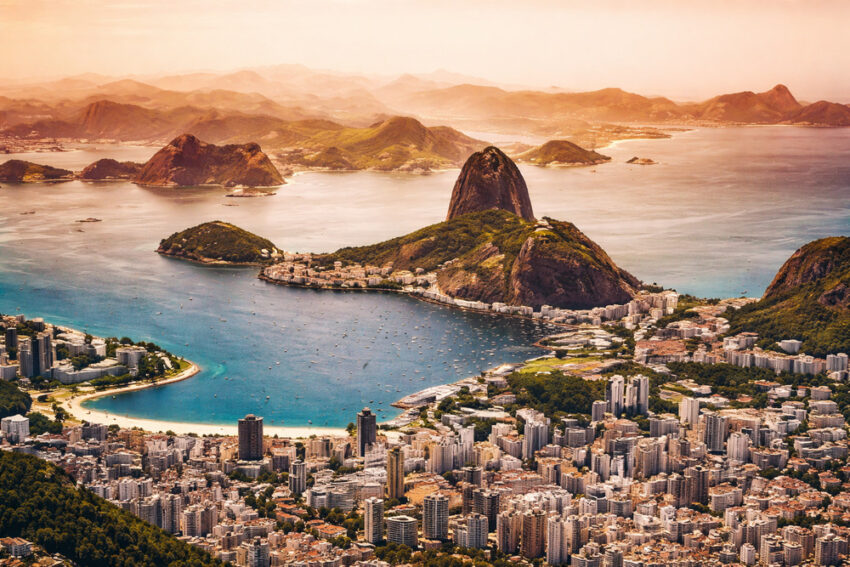
Image generated with Ai
Brazil now welcomes travellers from Denmark, China, Hungary, Ireland, Jamaica and The Bahamas without a visa for short stays. With record international arrivals surpassing 9 million in 2025, the country offers a mix of global cities, cultural depth and natural spectacle.
Rio de Janeiro – Coastal Drama and Cultural Rhythm
Places to Visit
- Visit Christ the Redeemer, the monumental statue overlooking the city, offering sweeping views of mountains, beaches and urban coastline.
- Explore Sugarloaf Mountain via cable car for panoramic vistas across Guanabara Bay.
- Walk along Copacabana and Ipanema beaches, where local beach culture blends with international tourism.
- Discover the Santa Teresa district, known for colonial architecture, art studios and hillside views.
Things to Do
- Hike within Tijuca National Park, one of the largest urban rainforests globally.
- Experience live samba music in the Lapa neighbourhood to understand Rio’s cultural identity.
- Tour the Museum of Tomorrow, which focuses on sustainability and future innovation.
Iconic Location You Cannot Miss
- The sunset view from Sugarloaf Mountain, where the Atlantic Ocean meets Rio’s skyline.
São Paulo – Economic Power and Urban Diversity
Places to Visit
- Walk along Avenida Paulista, the financial corridor lined with museums, corporate towers and cultural centres.
- Spend time in Ibirapuera Park, an expansive green space featuring modernist architecture and museums.
- Explore the Municipal Market to experience Brazil’s regional culinary diversity.
Things to Do
- Attend global trade fairs and corporate exhibitions that position São Paulo as a MICE hub.
- Discover Liberdade district, home to the largest Japanese community outside Japan.
- Explore contemporary galleries and street art in Vila Madalena.
Iconic Location You Cannot Miss
- The skyline along Avenida Paulista at dusk, reflecting Brazil’s economic core.
Salvador – Heritage and Afro-Brazilian Identity
Places to Visit
- Wander through Pelourinho, a UNESCO-listed historic centre filled with colourful colonial buildings.
- Visit São Francisco Church, known for its ornate gold interior.
- Explore Barra Lighthouse for coastal views and maritime history.
Things to Do
- Attend a capoeira demonstration, blending martial arts, dance and music.
- Taste Bahian cuisine featuring seafood, coconut and palm oil influences.
- Explore local artisan markets for handcrafted goods.
Iconic Location You Cannot Miss
- Pelourinho’s cobbled streets framed by pastel-coloured colonial facades.
Foz do Iguaçu – Natural Magnitude
Places to Visit
- Stand before Iguaçu Falls on the Brazilian side, offering wide-angle panoramic views of the cascades.
- Visit Itaipu Dam, one of the largest hydroelectric projects in the world.
- Explore Parque das Aves, a conservation park showcasing native bird species.
Things to Do
- Walk elevated trails that bring visitors close to the waterfalls.
- Take a guided boat ride that approaches the base of the falls for a more immersive experience.
- Combine visits with neighbouring Argentina for a cross-border itinerary.
Iconic Location You Cannot Miss
- The Devil’s Throat viewpoint, where water plunges dramatically into a deep gorge.
Brasília – Architectural Precision and Political Centre
Places to Visit
- Tour the National Congress complex to understand Brazil’s federal structure.
- Visit the Cathedral of Brasília, a striking modernist structure with dramatic stained glass.
- Explore Three Powers Plaza, symbolising executive, legislative and judicial branches.
Things to Do
- Study Oscar Niemeyer’s modernist architecture throughout the city.
- Photograph Brasília’s symmetrical urban design from elevated viewpoints.
- Visit cultural centres and museums that reflect Brazil’s political evolution.
Iconic Location You Cannot Miss
- The Cathedral of Brasília at twilight, when its curved columns are illuminated against the sky.
Brazil combines beaches, megacities, colonial heritage and natural wonders within a single itinerary. With new visa-free access, travellers can explore these destinations with greater ease and flexibility.
Brazil Major International Airports and Travel Time to Nearest Tourist Attractions
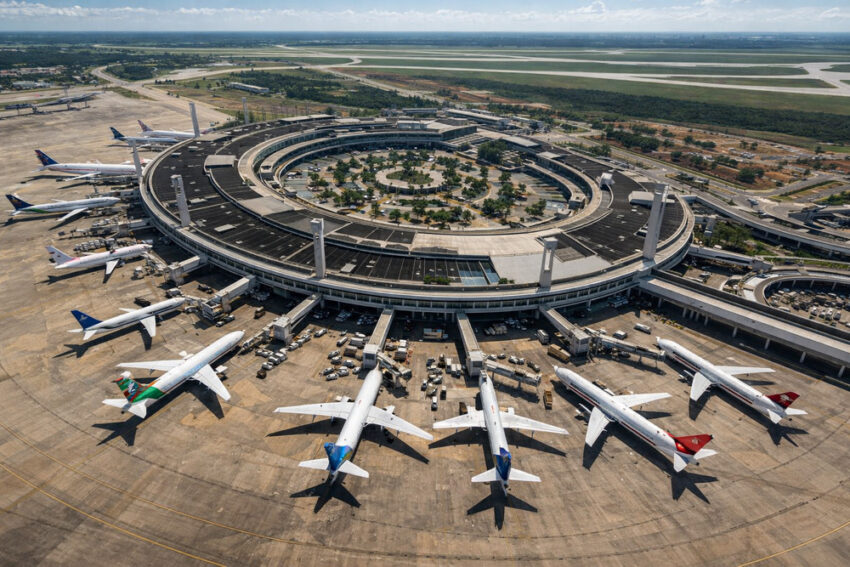
Image generated with Ai
Brazil’s airport network is geographically strategic. Most international gateways are positioned within practical driving distance of iconic tourist landmarks, allowing travellers to move quickly from arrival hall to destination. Below is a structured airport-focused guide with expanded context and realistic travel times under normal traffic conditions.
São Paulo–Guarulhos International Airport (GRU)
Role and Importance
- Largest and busiest airport in Brazil.
- Main long-haul hub connecting Europe, North America, Africa and the Middle East.
- Primary entry point for business and MICE travellers.
Nearest Major Tourist Spot
- Avenida Paulista (financial and cultural corridor)
- Distance: ~30 km
- Average Travel Time: 45–60 minutes
- During peak hours, travel can extend beyond 90 minutes due to heavy congestion.
Why It Matters
Although not immediately central, GRU connects directly to Brazil’s economic core. Visitors arriving for corporate events typically reach central São Paulo within one hour under normal flow conditions.
Rio de Janeiro–Galeão International Airport (GIG)
Role and Importance
- Main international gateway for Rio de Janeiro.
- Serves long-haul tourism traffic and major leisure markets.
Nearest Major Tourist Spot
- Copacabana Beach
- Distance: ~25 km
- Average Travel Time: 30–40 minutes
- Christ the Redeemer access point
- Distance: ~23 km
- Average Travel Time: 35–45 minutes
Why It Matters
Rio offers relatively efficient airport-to-beach access. In off-peak hours, travellers can reach beachfront hotels in approximately half an hour.
Brasília International Airport (BSB)
Role and Importance
- Serves the federal capital and government institutions.
- Central domestic connection hub.
Nearest Major Tourist Spot
- National Congress Complex
- Distance: ~12 km
- Average Travel Time: 15–20 minutes
- Cathedral of Brasília
- Distance: ~13 km
- Average Travel Time: ~20 minutes
Why It Matters
Brasília offers one of the shortest airport-to-landmark transfers among major capitals in the Americas. The city’s planned layout reduces congestion compared with coastal megacities.
Foz do Iguaçu International Airport (IGU)
Role and Importance
- Dedicated tourism gateway focused on Iguaçu Falls.
- Smaller airport with high leisure concentration.
Nearest Major Tourist Spot
- Iguaçu Falls (Brazilian entrance)
- Distance: ~12 km
- Average Travel Time: 15–20 minutes
- Itaipu Dam
- Distance: ~15 km
- Average Travel Time: 20–25 minutes
Why It Matters
This is one of Brazil’s most efficient airport-to-attraction connections. Visitors often arrive and reach the national park within 20 minutes.
Salvador International Airport (SSA)
Role and Importance
- Key gateway to northeastern Brazil.
- Supports cultural and beach tourism.
Nearest Major Tourist Spot
- Pelourinho Historic Centre
- Distance: ~25 km
- Average Travel Time: 35–45 minutes
- Barra Lighthouse
- Distance: ~28 km
- Average Travel Time: 40–50 minutes
Why It Matters
While slightly farther from the colonial centre, Salvador’s coastal highway access keeps transfers under one hour in standard traffic conditions.
Denmark unites wih China, Hungary, Ireland, Jamaica, The Bahamas and More in Enjoying New Visa Free Travel to Brazil as United States and Canada Lose Exemption under a reciprocity policy shift to boost tourism and trade.
Ultimately, Denmark Enjoys New Visa-Free Travel to Brazil, Joining China, Hungary, Ireland, Jamaica, The Bahamas, and More However, the United States and Canada lose their exemption on purpose rather than accidentally. In order to boost tourism, increase economic mobility, and strengthen diplomatic ties, Brazil has decided to reward certain allies with easier access. After reintroducing visa restrictions, it will apply reciprocity to the US and Canada. The result shows a thoughtful balancing act between foreign policy symmetry and economic growth. Denmark Enjoys New Visa-Free Travel to Brazil, Joining China, Hungary, Ireland, Jamaica, the Bahamas, and More Canada and the United States lose their exemption as a result of Brazil’s strategic reconfiguration of access, which places visa policy at the forefront of its strategy for international engagement and tourist growth.
