

02
Mar 2026
Romania is struggling to keep foreign workers in 2026.
Employers said that labor shortages in construction, hospitality, and manufacturing are getting worse as workers move on for better wages and conditions elsewhere in Europe.
Foreign workers keep leaving
Romanian employers are facing mounting difficulties not only in attracting foreign labor, but also in retaining it, as many workers recruited from Asia later move to other European Union countries offering better conditions.
The issue was outlined in a report by Romania Insider, citing analysis from Work From Asia.
“It is no longer enough to bring people into the country. You have to retain them by providing appropriate conditions. The companies that understand this will have a competitive advantage, while others will continue to face staff shortages,” said Yosef Gavriel Peisakh, general manager of Work From Asia.
Quota cap, bigger demand
Romania set an official quota of around 90,000 newly admitted foreign workers for 2026. According to industry data, employer demand significantly exceeds that ceiling.
In some years, requests have reportedly been more than double the approved quota. The report noted that filling vacancies is only part of the challenge for employers.
EU pull factors grow
A large share of newly arrived workers subsequently seek opportunities in other EU member states. The report stated that wages, working conditions, and social benefits are often more attractive in those countries.
“Romania has entered a global competition for labour. Workers choose between several destinations, and their decision depends on salaries, working conditions, accommodation, the actual time to start work after being selected, and contractual stability,” Peisakh said.
He added that countries like Spain have long understood that retention means investing in people. “If we do not raise standards, we risk losing this competition,” he said.
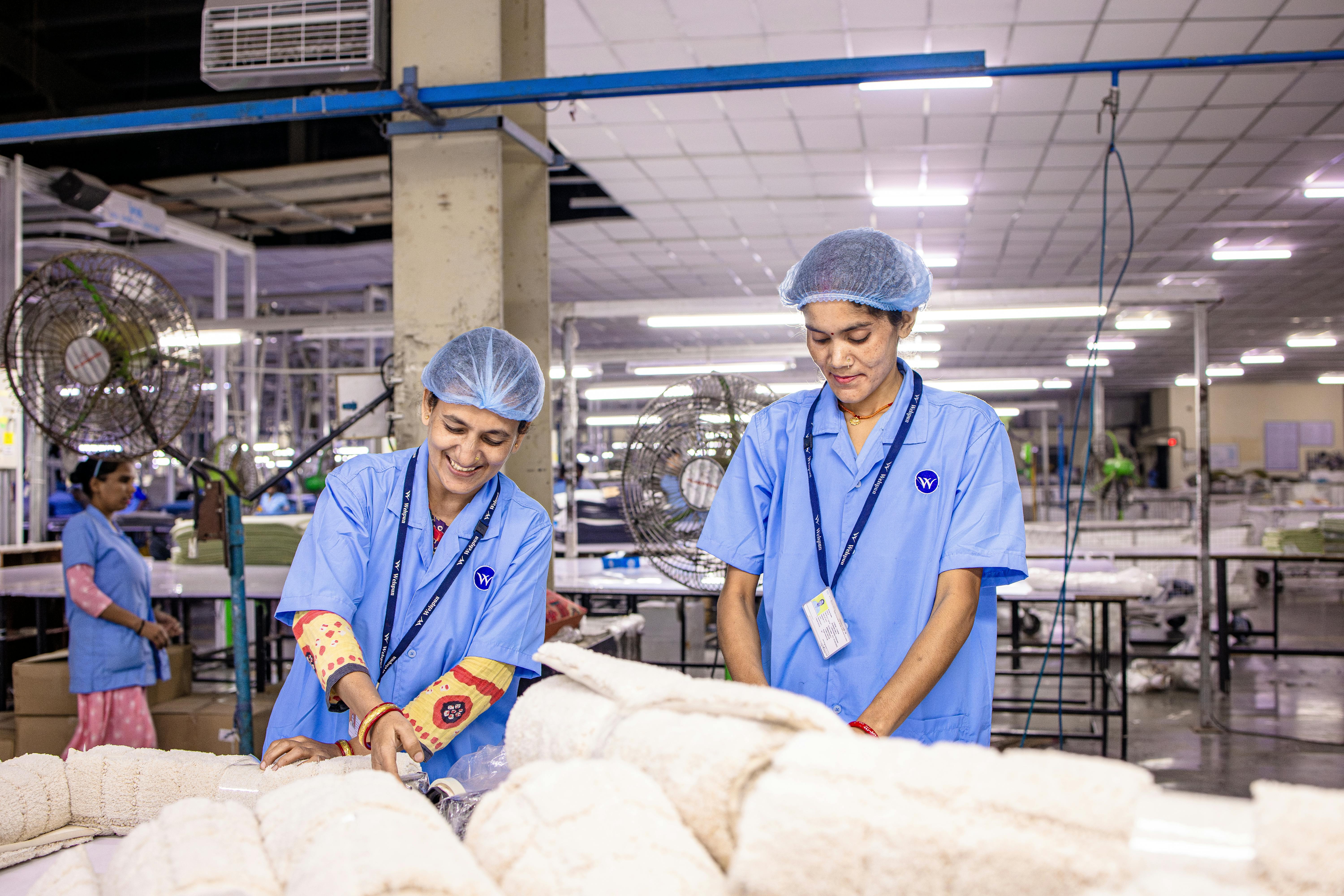
(Image courtesy of EqualStock IN via Pexels)
Staff shortages hit core sectors
The issue is described as particularly pressing for construction, hospitality, and manufacturing. In these sectors, labor shortages have become structural.
Without improvements in working and living conditions, analysts warned that Romania risks becoming a transit country rather than a stable destination for foreign workers.
Expanding foreign workforce
A January report by Romania Insider said that around 7% of Bucharest residents are foreigners, pointing to the growing presence of foreign nationals in the capital.
The retention challenge comes as companies continue to recruit abroad while competing with other EU countries for the same workforce.
Retention meets border tech
Romania is one of the countries using the Entry/Exit System (EES), which became operational on October 12, 2025 and is being rolled out gradually at external borders, with full implementation due by April 10, 2026.
The system registers non-EU nationals traveling for short stays of up to 90 days within a 180-day period each time they cross the external borders of participating European countries, including Romania.
At the same time, the European Travel Information and Authorization System (ETIAS) is set to start operations in the last quarter of 2026 and will require visa-exempt nationals from 59 countries to obtain a travel authorization before entering 30 European countries for short stays.
Foreign workers who move between Romania and other EU states for short-term stays would fall under these shared Schengen rules, meaning their entries and exits are digitally recorded under EES and, where applicable, pre-authorized under ETIAS.
Romania’s retention challenges do not change the structure of these systems, but they unfold within them. As workers relocate within the EU’s short-stay framework, border management tools like EES and entry requirements like ETIAS provide a standardized record of movement across participating states.

(Image courtesy of Andrea Piacquadio via Pexels)
Retention drives next phase
Romania’s 2026 foreign worker quota remains in place, yet employer demand continues to exceed the approved ceiling. At the same time, some of the workers who arrive choose to continue their employment in other EU member states.
“It is no longer enough to bring people into the country. You have to retain them by providing appropriate conditions,” Peisakh said.