
By Dave Graham
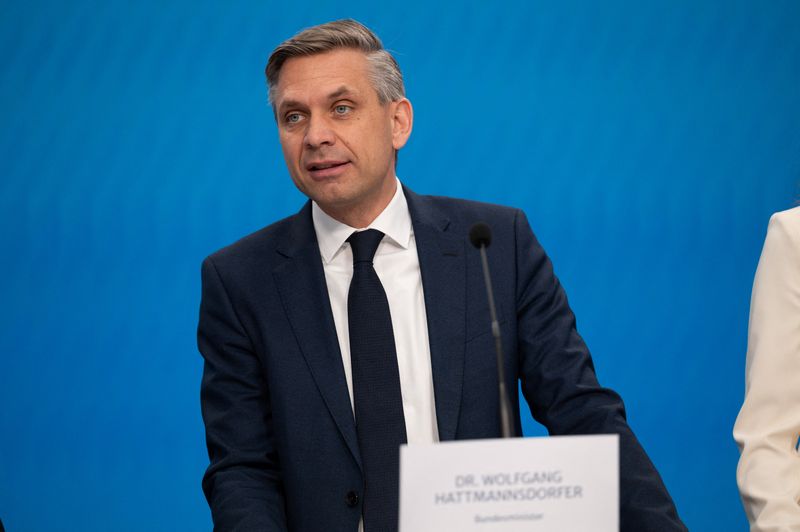
ZURICH, March 2 (Reuters) – Austria plans to expand its economic cooperation with Abu Dhabi following the creation of the chemicals firm Borouge Group International (BGI), Austrian Economy Minister Wolfgang Hattmannsdorfer said.
In an interview on Friday evening, Hattmannsdorfer said he expected BGI, a tie-up between units of Abu Dhabi National Oil Company and Austrian energy group OMV, which is part-owned by both Austria and Abu Dhabi, to pave the way for more business. The BGI deal is due to close this quarter.
“This could involve trade, supply chains, or even collaborations between other companies within the region’s sphere of influence,” he told Reuters.
Hattmannsdorfer said he wanted to see Austrian firms in other industries establishing stronger ties with Abu Dhabi.
He was speaking at the end of a visit to Zurich where he met counterparts from Germany, Switzerland and Liechtenstein – before the weekend outbreak of war in the Gulf region.
Hattmannsdorfer said the shock of U.S. President Donald Trump’s trade tariffs had been a signal for Europe to boost competitiveness and diversify its trade partners.
Austria has had to radically overhaul its energy supply after depending for many years on Russian gas, and ended direct imports from Russia at the end of 2024.
Competition in power markets has brought down energy costs and helped reduce inflation in Austria from nearly 4% at the end of 2025 to 2% in January, the minister said.
Increased output and storage capacity of renewable energy will make Austria more energy independent, Hattmannsdorfer said, stressing that it must not now become too dependent on U.S. liquefied natural gas.
More than half of Europe’s LNG imports presently come from the United States, his ministry said.
Austria could increase gas imports from producers such as Norway and the United Arab Emirates, though a large share of future supply should come from Neptun Deep, OMV’s Black Sea project with Romania’s Romgaz, he said.
Some in Austria are demanding a resumption of imports of Russian gas, notably inside the hard-right, eurosceptic Freedom Party, which leads opinion polls.
Hattmannsdorfer said Austria stood unconditionally with Ukraine and that there was no more to be said on the matter until a peace accord took shape on Kyiv’s terms.
(Reporting by Dave Graham; Editing by Kevin Liffey)