
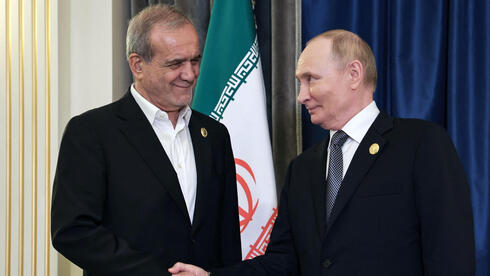
According to the Kremlin, Putin spoke with Qatar’s emir, Sheikh Tamim bin Hamad Al Thani, and discussed the worsening crisis. The two expressed concern about the risk of further escalation and the possibility that additional countries could be drawn into the conflict.
They also voiced hope that Iran’s actions would not harm civilians or civilian infrastructure in neighboring states, including tourism and transportation facilities.
The Qatari emir thanked Russia for what he described as its “support for the countries of the region” and said cooperation with Moscow in various fields remains a priority for Doha. The leaders agreed to continue contacts through various channels.
In a separate call with United Arab Emirates President Sheikh Mohammed bin Zayed Al Nahyan, Putin described the events as “unprecedented and tragic,” the Kremlin said. Both sides stressed the need for an immediate ceasefire and a return to a political and diplomatic track.
Putin said Russia had made significant efforts to promote a political solution to the dispute over Iran’s nuclear program and to reach mutually agreed compromises, but that those efforts were undermined by what he called “an act of armed aggression against a sovereign state — a member of the United Nations.”
The UAE president told Putin that Iranian strikes had also affected Emirati territory and posed a threat to civilians, even though the UAE does not serve as a base for attacks against Iran, according to the Kremlin. Putin expressed readiness to convey those messages to Tehran and to assist in stabilizing the regional situation.
Putin also spoke with Bahrain’s King Hamad bin Isa Al Khalifa. The two agreed there is a real danger of a broader war in the Middle East and emphasized the need to halt the fighting as soon as possible. Putin reiterated Russia’s willingness to help stabilize the region.
Earlier, Kremlin spokesman Dmitry Peskov said Moscow remains in contact with Iran’s leadership but indicated Russia would not provide military assistance to Tehran and would prioritize its own national interests.
Behind the scenes, Russia maintains strong ties with Gulf states. Iran’s strikes on those countries appear to have forced Moscow to balance its relationship with Tehran against its broader regional interests as the conflict intensifies.