
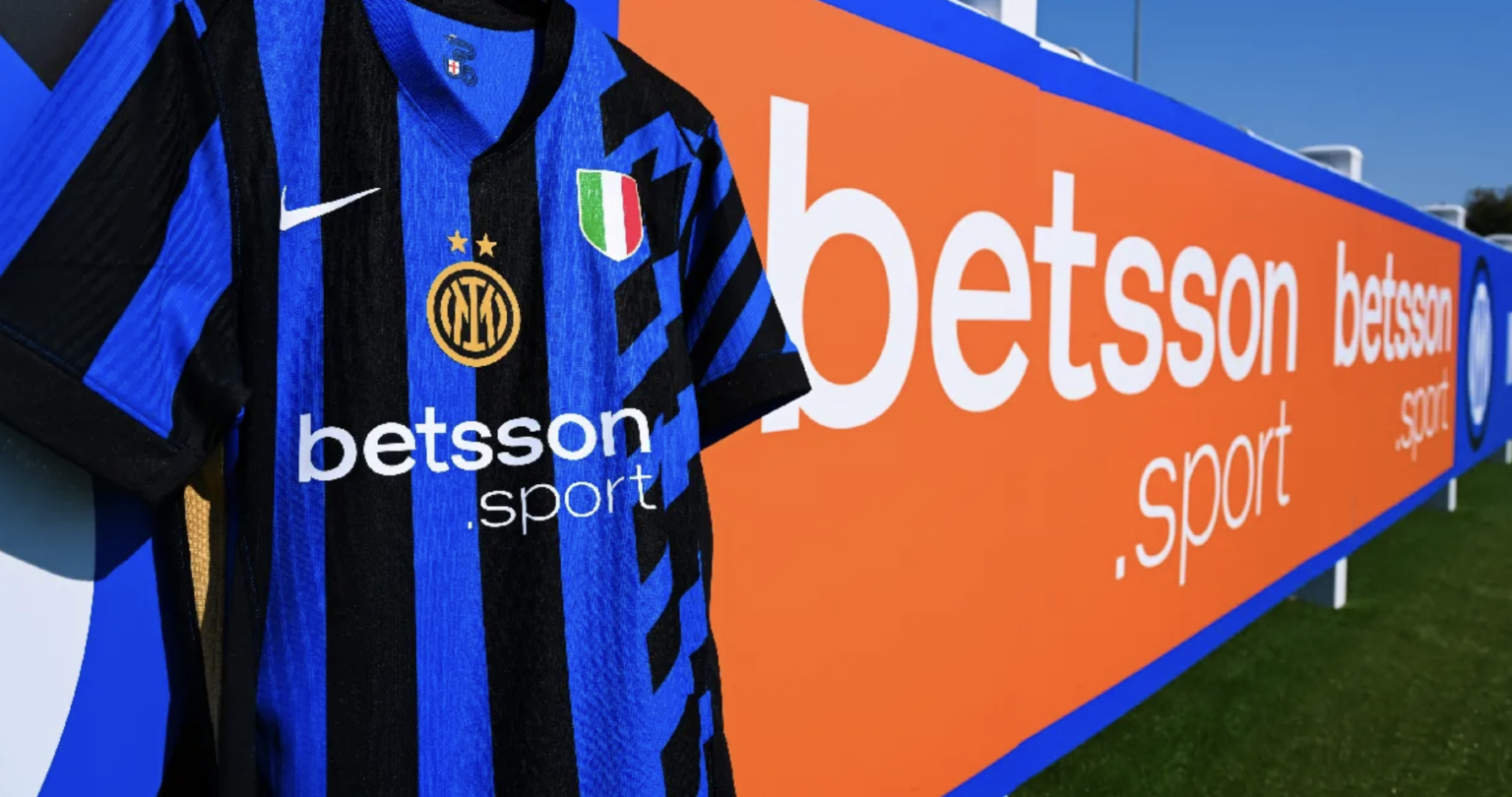
March 3 – Inter Milan could face sanctions in Norway for displaying gambling sponsorship on their shirts during a Champions League tie in the country.
When Inter walked out at the Aspmyra Stadion to face Bodø/Glimt on February 18 with “Betsson.sport” across their shirts, Norwegian regulators immediatelysprang into action and asked the question of how national advertising bans hold up when elite European clubs’ cross borders.
The issue has now landed formally with Lotteritilsynet, the Norwegian Gambling and Foundation Authority, following comments made to Aftenposten, Norway’s largest printed newspaper.
Norway operates one of Europe’s strictest gambling regimes, allowing only state-controlled Norsk Tipping and Norsk Rikstoto to advertise. That prohibition is interpreted broadly, something the regulator was quick to underline.
“Shirt sponsorship will fall under the marketing prohibition if the name being promoted is sufficiently well known that it is associated with gambling,” said Tore Bell, Director at Lotteritilsynet.
That interpretation matters because Betsson is not unknown in Norway. The brand spent nearly two decades embedded in the market.
In 2021, Lotteritilsynet issued a formal warning and cease-and-desist order against BML Group Limited, the company behind Betsson, concluding it had unlawfully offered gambling services without a Norwegian licence. Payment blocking and enforcement pressure followed, prompting Betsson-linked operators to exit the country.
Today, Betsson no longer offers gambling products in Norway. But its name remains closely associated with gambling that complicates enforcement when foreign clubs arrive wearing its logo.
Under Norway’s Gambling Act, breaches of the marketing ban can trigger cease-and-desist orders, coercive fines, and administrative penalties. What remainsunclear is who bears responsibility in a European competition, the visiting club or the home organiser.
“We have been in dialogue with Bodø/Glimt and feel the club has acted in an orderly manner. It is not certain that the club can be blamed, but we have not yet concluded or taken action in this case,” Bell told Aftenposten.
Asked whether Inter itself could be sanctioned, Bell added: “That is possible, but it is a question we need to examine more closely.”
Inter’s defence rests on the distinction between gambling and content. The club argued that “Betsson.sport” promotes a sports information app rather than betting services.
“That explanation is not necessarily one we will accept,” Bell said.
According to Bodø/Glimt press contact Niklas Aune Johnsen, foreign teams are warned in advance.
“They argued that they had clarified it with their federation and that it was acceptable,” Johnsen said. “We chose to trust their explanation that it had been approved and did not follow it up further on matchday.”
In the next round of the competition, Bodø/Glimt will face Sporting Lisbon, who also feature a gambling form prominently on their jerseys. “We have already been in dialogue with Sporting, and they have confirmed that they will use a different shirt sponsor for the match played in Norway,” Johnsen said.
At its core, the case exposes how difficult it is for clubs. Shirts are negotiated centrally, worn globally, and rarely tailored market by market. Norway may enforce its rules at home, but the grey areas begin the moment international competition arrives.