
Published on
March 3, 2026
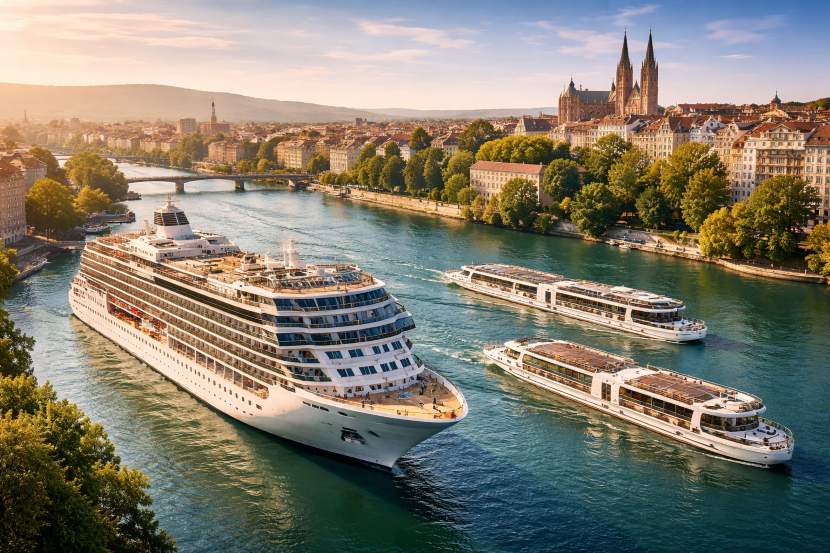
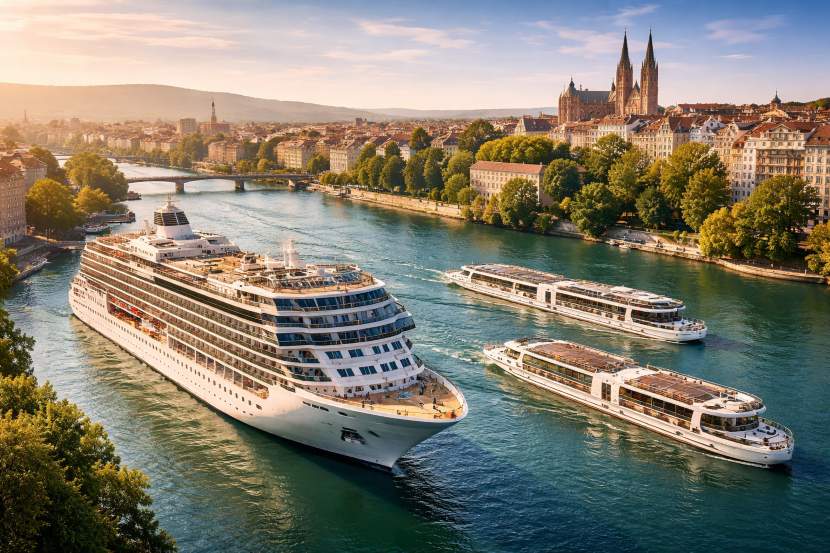
Image generated with Ai
Viking Holdings Ltd has reported strong full-year and fourth-quarter 2025 financial results, underscoring continued momentum in global cruise tourism and solid forward bookings for the 2026 season. The Basel, Switzerland-headquartered cruise operator recorded significant revenue growth, rising margins and expanding fleet capacity, reflecting sustained demand across river, ocean and expedition travel segments.
For the year ended 31 December 2025, total revenue rose to 6.5 billion dollars, marking a 21.9 percent increase compared with 2024. The company also delivered notable improvements in adjusted gross margin and adjusted net income, alongside a strengthened balance sheet. Net leverage declined to 1.1 times by year-end 2025, improving from 2.4 times a year earlier, signalling enhanced financial resilience as tourism demand remains firm.
Cruise Tourism Demand Fuels Capacity and Revenue Growth
Growth in 2025 was closely linked to expanded passenger capacity and high occupancy levels. Viking increased its fleet with additional river vessels and ocean ships during the year, contributing to higher capacity passenger cruise days. In the fourth quarter alone, capacity rose by 14.7 percent year-on-year.
Occupancy for the fourth quarter of 2025 reached 95 percent, reflecting robust global demand for cruise-based cultural and destination-focused tourism. Total revenue for the quarter climbed to 1.72 billion dollars, up 27.8 percent compared with the same period in 2024, supported by higher passenger volumes and increased revenue per cruise day.
Net yield also improved during both the full year and the fourth quarter, highlighting stronger pricing power and sustained consumer interest in premium travel experiences. The company’s adjusted EBITDA for the year rose sharply, underlining the operational leverage derived from expanded capacity and high booking volumes.
Strong Advance Bookings Signal 2026 Tourism Momentum
Forward indicators for 2026 suggest continued strength in cruise tourism markets. As of mid-February 2026, Viking had sold 86 percent of its capacity passenger cruise days for its core products for the upcoming season. Advance bookings for 2026 stood at 5.96 billion dollars, 13 percent higher than at the same point in 2025.
Advertisement
Advertisement
Advance bookings per passenger cruise day were also up 6 percent year-on-year, demonstrating sustained consumer demand across both repeat travellers and new-to-brand guests. Operating capacity for the 2026 season is expected to be 7 percent higher than in 2025, reflecting continued investment in fleet growth.
These figures align with broader international tourism recovery trends observed by multilateral institutions such as the United Nations World Tourism Organization, which has reported sustained recovery and expansion in global travel flows following pandemic-era disruptions. Cruise tourism, in particular, has benefitted from pent-up demand for experiential and long-haul travel.
Fleet Expansion Across River, Ocean and Expedition Segments
Viking’s expansion strategy remains centred on increasing its presence in river and ocean cruise markets, while strengthening its expedition offerings. The company now operates more than 100 vessels across its global portfolio.
Under its committed orderbook, Viking expects delivery of two new ocean ships and ten river ships in 2026. Additional shipbuilding commitments include two expedition ships scheduled for delivery in 2030 and 2031. The company has also secured options for two further ocean ships with delivery planned for 2034, reinforcing long-term capacity growth.
This expansion supports a destination-focused tourism model spanning Europe, Asia, North America and polar regions. River cruises, particularly across European waterways, remain a core product, benefiting from established cultural tourism routes and strong infrastructure in key destinations.
Strengthened Liquidity Supports Tourism Investment
As of 31 December 2025, Viking held 3.8 billion dollars in cash and cash equivalents, alongside an undrawn revolving credit facility of 1.0 billion dollars. Deferred revenue totalled 4.6 billion dollars, reflecting substantial advance customer payments for future voyages.
Scheduled principal payments for 2026 stand at 396.8 million dollars, indicating manageable near-term obligations relative to available liquidity. The strengthened financial position provides flexibility to support fleet deliveries and ongoing tourism development initiatives.
Outlook for Cruise Tourism in 2026
With high occupancy rates, rising yields and a significant proportion of 2026 capacity already sold, Viking enters the new season with considerable forward visibility. The combination of expanded fleet capacity, resilient consumer demand and strong advance bookings suggests continued momentum in premium cruise tourism.
As international travel patterns stabilise and long-haul leisure tourism strengthens, cruise operators with diversified fleets and destination-focused itineraries appear well positioned to capture sustained demand growth across global markets.
