
Kaleigh Harrison
Texas A&M Engineering Experiment Station (TEES) has entered into an agreement with ZettaJoule to evaluate the development of a very-high temperature modular research reactor in College Station. If advanced, the project could catalyze as much as $1 billion in research funding and industrial partnerships over the next decade.
The proposal centers on ZettaJoule’s ZJ0, a high-temperature gas-cooled reactor designed to deliver process heat of up to 950°C (1,742°F). Beyond expanding the university’s existing nuclear infrastructure, the initiative would position Texas A&M as a potential focal point for advanced reactor research at a time when U.S. energy demand is shifting.
Rising load growth—driven by AI infrastructure, electrification, and advanced manufacturing—is prompting renewed attention on nuclear energy. The focus is increasingly on firm, carbon-free heat and power solutions that extend beyond traditional electricity generation.
High-Temperature Reactors Target Industrial Applications
Unlike conventional light-water reactors designed primarily for grid electricity, high-temperature gas-cooled reactors are built to deliver industrial-grade heat. With outlet temperatures nearing 950°C, these systems are suited to processes that require sustained, high thermal output. Potential applications range from hydrogen production and synthetic fuel development to steelmaking, chemical processing, desalination, advanced manufacturing, and even energy supply for large-scale data centers.
For many hard-to-abate industries, fossil fuels remain the primary source of high-temperature heat. Electrification plays a central role in decarbonization strategies, but it does not fully replace the need for consistent, high-heat industrial inputs. A university-based demonstration reactor would create a controlled platform where companies and researchers could test materials, fuels, and production systems under real-world thermal conditions.
The ZJ0’s design builds on lessons from Japan’s High Temperature Engineering Test Reactor, which has operated for decades and demonstrated the technical viability of high-temperature gas-cooled systems. ZettaJoule’s model adapts that experience to U.S. regulatory frameworks and commercial requirements.
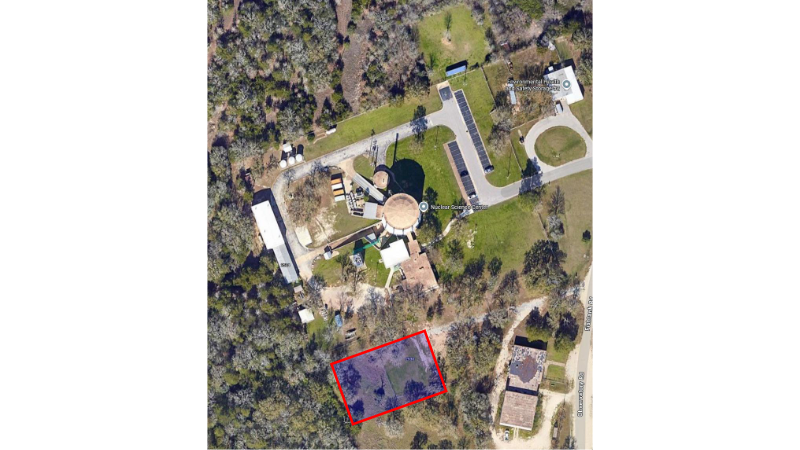
Locating the proposed reactor adjacent to the Texas A&M Nuclear Engineering & Science Center—already home to two research reactors—would further concentrate nuclear research capabilities within a single campus environment, strengthening the university’s position in advanced reactor development.
A Potential Catalyst for Research and Industry Collaboration
University leadership has indicated the project could attract up to $1 billion in combined research investment, federal support, and private-sector collaboration over ten years. If built, the facility would be owned by TEES, integrating academic research with applied industry testing and workforce development.
Texas A&M would become the only U.S. university operating more than two nuclear research reactors on campus. That concentration of infrastructure could draw interest from federal agencies such as the Department of Energy and NASA, as well as companies in advanced materials, refining, and hyperscale data operations.
The initiative also reflects broader strategic priorities. Grid reliability, energy independence, and skilled workforce development are increasingly central to state and federal energy planning. With electricity demand projected to grow, particularly from AI-driven computing and industrial expansion, high-temperature nuclear systems are being evaluated for their ability to complement renewable generation.
For ZettaJoule, the agreement establishes a U.S. foothold within one of the country’s established nuclear engineering programs. Rather than immediately pursuing utility-scale deployment, the university-based model emphasizes experimentation, validation, and training.