
Published on
March 4, 2026
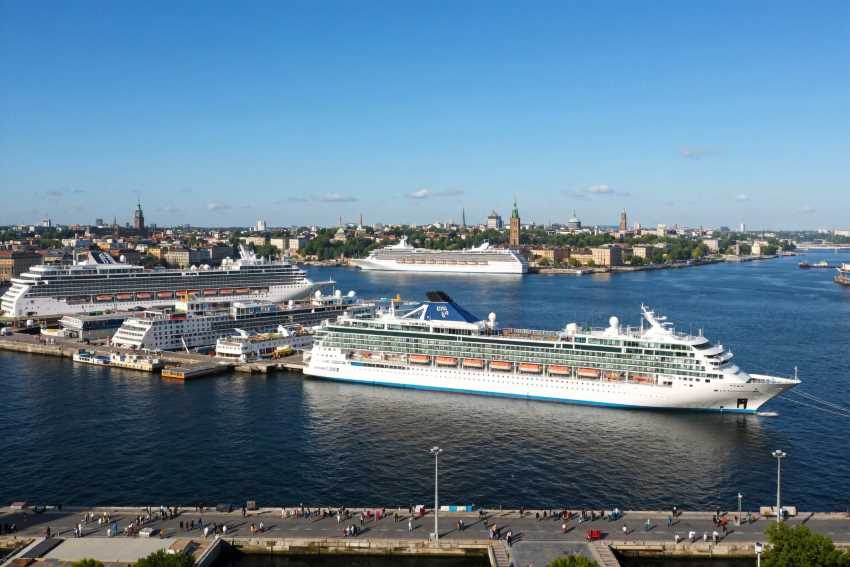
Image generated with Ai
In 2025, the Baltic Sea cruise industry is experiencing an exciting surge, with Norway partnering with Denmark, Germany, and Sweden to drive unstoppable growth. The region has become a major hub for cruise travel, attracting both new cruise lines and growing numbers of tourists. Sweden, Denmark, Norway, and Germany have all played pivotal roles in enhancing the region’s appeal by modernising their port infrastructure and offering unique travel experiences, making the Baltic Sea an increasingly sought-after destination.
The Baltic Sea has long been celebrated for its rich cultural heritage, picturesque coastal cities, and stunning natural landscapes. With these countries working together, they are creating a stronger, more attractive destination for cruise operators and their guests. Sweden’s scenic coastline, Denmark’s historic cities, Norway’s dramatic landscapes, and Germany’s vibrant ports are drawing more visitors than ever before. Each nation has invested heavily in port upgrades, improving passenger services, and offering diverse itineraries that appeal to a wide range of travellers.
Moreover, Norway, Denmark, Germany, and Sweden are capitalising on the rising demand for autumn and winter cruises. These countries are enhancing their appeal by showcasing their unique charm during the off-peak months, offering unforgettable experiences that attract tourists outside the traditional summer season. This collaboration is not only driving significant growth for the Baltic Sea cruise industry but is also ensuring year-round tourism. The combined efforts of Norway, Denmark, Germany, and Sweden are solidifying the Baltic as a premier cruise destination, offering an unstoppable growth trajectory for the region’s tourism sector.
Strong Growth Across Baltic Sea Ports
The Cruise Baltic Market Review, which covers key insights on the region’s cruise activity, shows impressive growth statistics for 2025. The region saw a 12.3% increase in the number of guests, with port calls growing by 12.8%. This is a clear sign of the Baltic Sea’s continued rise as a preferred cruise destination. Additionally, the region saw a 5.6% increase in turnarounds, which speaks to the rising importance of its ports in the global cruise industry.
Advertisement
Advertisement
Importantly, this growth is not restricted to the traditional major hubs. While Copenhagen, Kiel, and Oslo are leading the way, new ports such as Rostock and Kristiansand are also seeing a considerable increase in cruise traffic. The five largest ports now account for about 50% of the region’s cruise calls, demonstrating a more even distribution of growth across both large and medium-sized destinations.
Seasonal Shifts Drive Year-Round Appeal
While summer continues to be the peak period for cruises, the region is also witnessing a shift in seasonal patterns. The biggest surprise in 2025 is the increase in cruise activity in the later months of the year, particularly in Q4. With a 33.2% rise in Q4 calls compared to 2024, the Baltic Sea is becoming an increasingly popular destination for autumn and winter cruises. This shift is attributed to growing interest in unique seasonal experiences, including Christmas cruises, that the region offers during the colder months.
Advertisement
Advertisement
As travellers seek more diversified experiences, the Baltic Sea is emerging as a prime destination for those looking for scenic autumn voyages and festive winter holidays. The region’s rich culture, historical cities, and stunning landscapes make it an enticing choice for those planning their end-of-year cruises.
Port Calls and Turnarounds: Forecasts for 2026
Looking ahead to 2026, forecasts predict further growth in Baltic Sea cruise activity. Guest volumes are projected to grow by 9.2%, with port calls increasing by 10.7%. Turnarounds are expected to rise by 7%, indicating sustained growth for Baltic Sea cruise ports in the years to come. Copenhagen is forecast to continue its dominance as the region’s largest cruise port, with a predicted 487 turnarounds across the region in 2026, surpassing pre-Covid levels.
Interestingly, the trend towards smaller and medium-sized cruise lines is also expected to increase. As these lines gain traction, the average number of guests per call is projected to decrease slightly. This reflects a growing diversification of the regional cruise market, with new operators participating more actively in the Baltic cruise industry.
The Role of Emerging Ports
The shift in the composition of the Top 5 ports, which includes Copenhagen, Kiel, Oslo, Rostock, and Kristiansand in 2025, shows that the Baltic Sea’s cruise market is not just growing in size but also evolving in terms of its destinations. Previously dominated by Stockholm, Helsinki, and Tallinn, the region now boasts a broader range of destinations catering to a diverse set of cruise lines and guest preferences.
Emerging ports like Kristiansand in Norway and Rostock in Germany are seeing increased popularity, further broadening the geographical appeal of Baltic cruises. These cities, with their rich cultural histories, picturesque waterfronts, and vibrant local scenes, are quickly becoming highlights on the Baltic Sea cruise map. Their appeal is largely due to their ability to offer a combination of charm, accessibility, and unique experiences that attract both large cruise operators and smaller, boutique ships.
Economic Impact and Year-Round Tourism
As cruise activity grows, so does the economic impact on local communities and businesses. The increase in off-season activity, particularly during autumn and winter, provides year-round benefits to port cities and regional tourism industries. The rise of autumn and Christmas cruises is contributing to a steady flow of tourists outside the traditional peak months, providing significant economic stability for local businesses.
In addition to the direct economic benefits, this extended cruise season allows visitors to experience the region in a different light. From exploring historical landmarks dusted in winter snow to attending Christmas markets in Tallinn and Helsinki, the Baltic Sea offers something truly unique during the colder months.
In conclusion, the Baltic Sea’s cruise activity in 2025 shows strong, broad-based growth, reinforcing the region’s position as an attractive and versatile destination for global cruise lines and tourists. From established ports like Copenhagen and Oslo to emerging destinations like Rostock and Kristiansand, the region is welcoming increasing numbers of guests each year. The shift towards autumn and winter cruises, alongside forecasts for continued expansion in 2026, signals a bright future for the Baltic Sea cruise industry. Whether you’re seeking summer sun or a festive winter getaway, the Baltic Sea continues to offer a wealth of unique experiences, making it one of the most exciting cruise regions in Europe.
