
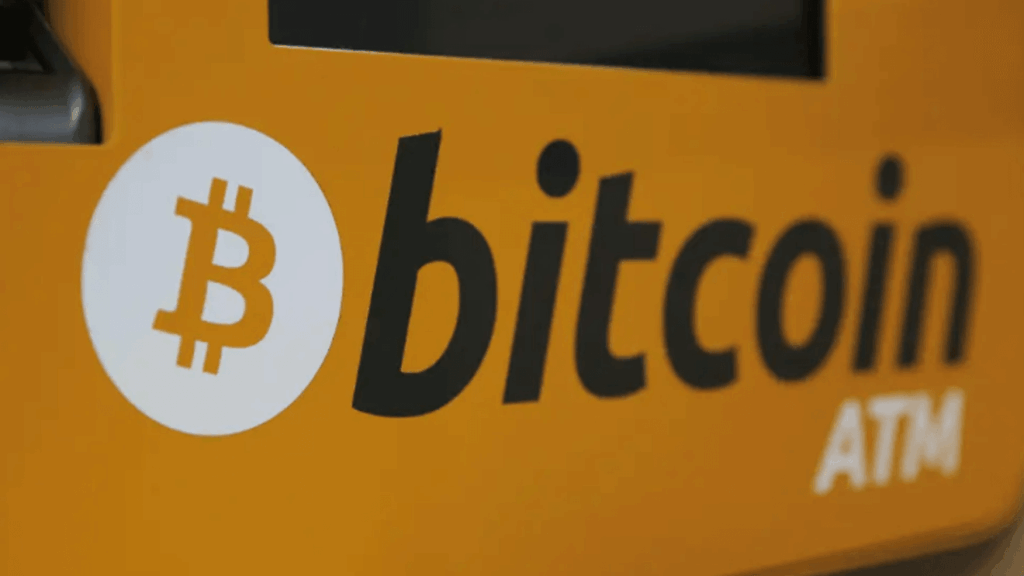
COLUMBIA, S.C. (WACH) — State leaders and consumer advocates are sounding the alarm about a rise in cryptocurrency scams in South Carolina, including schemes that use crypto ATMs to quickly move victims’ money out of reach.
Officials gathered Wednesday at the State House to explain how the scams work and why they have become so prevalent. Crypto ATMs can look like traditional bank machines, but instead of letting users withdraw money from a bank account, they allow people to insert cash and convert it into cryptocurrency.
That cryptocurrency is then sent to a digital wallet using a QR code or account number.
While the technology has legitimate uses, scammers are directing victims to send money to digital wallets the scammers control.
Cryptocurrency ATMs, with the Blockchain technology, there is a little bit of hope if somebody reports quickly they might be able to get that money back. But often times, these are international scams, so when that money goes over, it’s hard to secure it and get consumers their money back. That’s why scammers are preferring that kind of a payment method,” Carri Grube Lybarker of the South Carolina Department of Consumer Affairs said.
Officials said the problem extends well beyond crypto ATMs. Scammers are calling, texting, emailing and sending direct messages through social media and dating apps. They urged people to be suspicious of anyone demanding urgent payment, whether the person claims to be with the government, a utility company, tech support, or even a romantic partner met online.
Romance scams remain a major concern, advocates said.
The fraudsters target anybody that has money. They don’t care about color, religion. All they care about is green,” Lorraine Simmons, an AARP Executive Council member said.
“Scammers are out there. There’s way more scammers than there are those of us we’re fighting against it,” Lybarker said.
According to AARP, South Carolinians lost more than $38 million in cryptocurrency scams in 2024.
Advocates said education and awareness can help people recognize red flags such as unfamiliar phone numbers, urgent requests for money, or messages with strange wording. Officials also pointed to increased enforcement efforts.
“Law enforcement has got more active at the local, state, and the federal level in trying to prosecute these scammers,” Lybarker said.
Lawmakers are also pursuing legislation aimed at putting guardrails around crypto ATMs. The bill would add stronger consumer warnings, increase oversight and create additional protections intended to prevent fraud before money changes hands.
Officials said whether a scam happens at a machine or through a smartphone, the warning signs are often the same: pressure, secrecy and requests for hard-to-trace payments.