
Published on
March 5, 2026
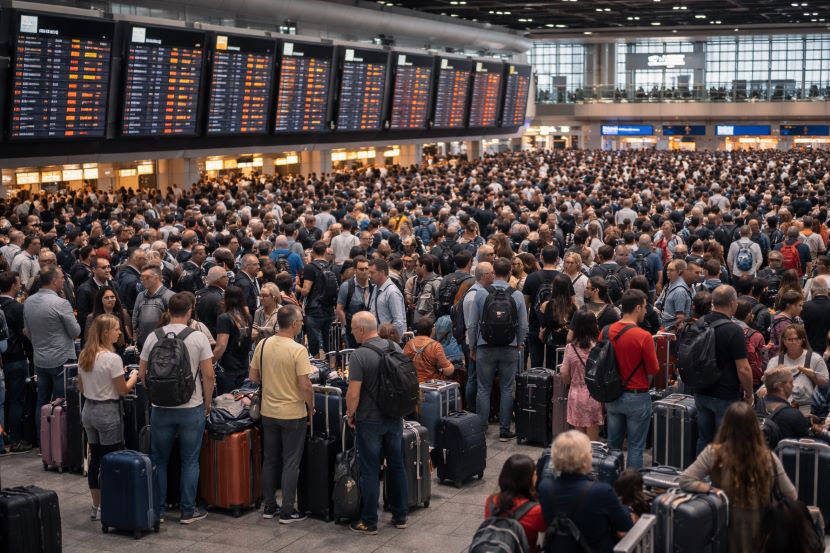
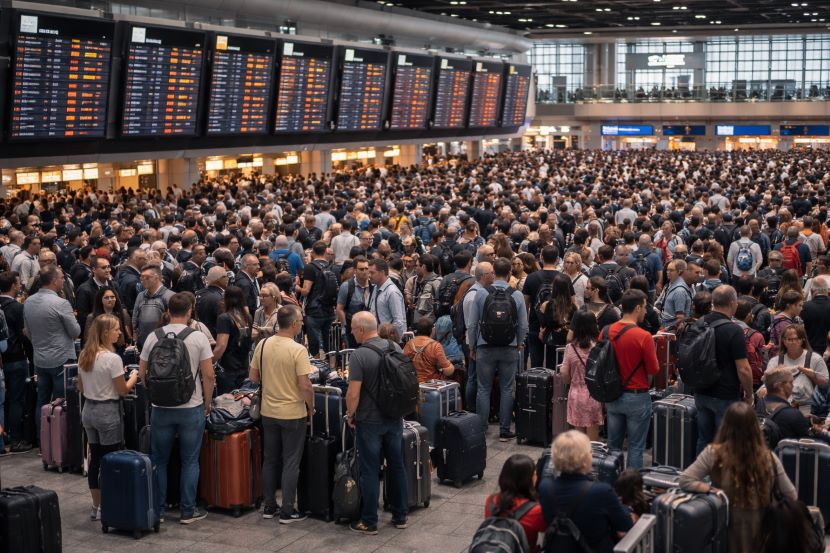
Image generated with Ai
Air travel across Europe has been hit by a fresh wave of disruptions, leaving hundreds of travellers stranded as flight operations were severely affected across several major hubs. Recent data reveals that 273 flights were cancelled and 1,092 flights were delayed, creating a ripple effect across busy airports and airline networks. Major travel gateways such as Amsterdam Schiphol, Frankfurt Airport, Paris Charles de Gaulle, Madrid-Barajas, and Istanbul Airport have reported significant operational challenges. Airlines including KLM, easyJet, Lufthansa, British Airways, Finnair, and Cathay Pacific have also experienced varying levels of disruption, although some carriers managed to maintain relatively stable schedules.
For travellers moving across Netherlands, France, Italy, Spain, Germany, and other European destinations, these delays have meant missed connections, extended airport waits, and last-minute itinerary changes. As travel demand continues to surge across Europe, the recent disruptions highlight how fragile global aviation schedules can become when multiple airports and airline networks face operational pressure at the same time.
Airport Wise Disruptions
London City Airport Faces Disruptions: 57 Cancellations and 44 Delays Impacting Travelers
London City Airport (LCY), a popular hub for business and leisure travelers due to its proximity to central London, is currently experiencing significant disruptions. With 57 cancellations and 44 delays recorded recently, passengers flying in and out of this smaller airport are facing challenges. These disruptions, although less frequent compared to larger airports like Heathrow or Gatwick, can cause considerable inconvenience, especially for time-sensitive business travelers. The cancellations and delays add pressure to an already busy travel schedule, highlighting the ongoing challenges airports face in managing flight operations amid increased demand. Travelers are advised to check flight statuses ahead of time and remain flexible with their plans. As air travel continues to surge, improving efficiency and communication at key airports like LCY will be essential in minimizing such disruptions.
Advertisement
Advertisement
Amsterdam Schiphol Airport Faces Major Disruptions: 37 Cancellations and 124 Delays
Amsterdam Schiphol Airport (AMS), one of Europe’s busiest and most important hubs, is currently experiencing significant flight disruptions. With 37 cancellations and a staggering 124 delays, both incoming and outgoing passengers are facing considerable setbacks. These delays and cancellations are especially impactful given Schiphol’s role as a key transit point for travelers heading to and from various destinations across Europe and beyond. Such disruptions not only affect travel plans but can also cause ripple effects on connecting flights, adding stress to travelers. With demand on the rise, passengers are advised to stay informed by checking flight statuses regularly and allowing extra time for their journey. Airports like Schiphol must continue to work on enhancing operational efficiency to mitigate future delays and improve the overall travel experience.
Advertisement
Advertisement
Athens International Airport Faces Travel Disruptions: 22 Cancellations and 49 Delays
Athens International Airport (ATH), a key gateway to Greece, has experienced notable disruptions recently, with 22 cancellations and 49 delays affecting both leisure and business travelers. These disruptions come at a time when the Mediterranean destination is seeing increased traffic, especially during peak travel seasons. For passengers heading to or from Athens, these delays and cancellations add unexpected stress to their travel plans, potentially impacting connections and itineraries. As Greece continues to attract tourists from around the world, it’s essential for airports like ATH to enhance operational resilience and improve passenger communication to minimize disruptions. Travelers are advised to check for updates on flight statuses and remain flexible with their plans, ensuring a smoother journey despite the challenges.
Advertisement
Advertisement
Charles de Gaulle Airport Faces Significant Disruptions: 32 Cancellations and 160 Delays
Paris’ Charles de Gaulle Airport (CDG), one of the busiest hubs in Europe, is currently experiencing substantial travel disruptions, with 32 cancellations and a staggering 160 delays. These delays and cancellations are impacting a wide range of passengers, from tourists visiting the City of Light to business travelers relying on timely connections. As a major international gateway, CDG’s operational challenges are not only causing frustration for travelers but also leading to a domino effect on connecting flights across Europe and beyond. Travelers planning to pass through CDG are advised to stay updated on their flight status and be prepared for longer-than-usual waiting times. As airports work to regain smooth operations, it’s important to remain flexible and patient during these busy travel periods.
Malpensa Airport Faces Disruptions: 20 Cancellations and 77 Delays
Milan’s Malpensa International Airport (MXP) is currently dealing with significant travel disruptions, reporting 20 flight cancellations and 77 delays. As one of Italy’s busiest airports, these setbacks are affecting both leisure tourists heading to the fashion capital and business travelers on tight schedules. The disruptions at MXP highlight the ongoing challenges airports face in managing high passenger volumes, particularly during peak travel periods. With delays impacting connecting flights and tight itineraries, passengers are urged to monitor their flight statuses closely and allow extra time at the airport. As air traffic continues to grow, improved operational strategies will be crucial for minimizing such disruptions and enhancing the travel experience at key hubs like Malpensa.
Frankfurt Airport Experiences Disruptions: 18 Cancellations and 114 Delays
Frankfurt International Airport (FRA), one of Europe’s largest and most connected hubs, is currently facing significant disruptions, with 18 flight cancellations and 114 delays recorded. These delays and cancellations are creating challenges for both passengers transiting through Frankfurt and those departing to various destinations worldwide. Given Frankfurt’s role as a major connecting hub, these disruptions can lead to cascading delays, affecting travelers’ tight schedules and connecting flights. As demand for air travel continues to rise, it’s essential for airports like FRA to enhance operational efficiency to reduce such disruptions. Passengers are advised to check their flight statuses regularly and allow for extra time when traveling through Frankfurt to avoid any additional stress.
Munich Airport Faces Disruptions: 14 Cancellations and 89 Delays
Munich International Airport (MUC) is currently dealing with notable flight disruptions, with 14 cancellations and 89 delays reported. As a major hub in Germany, these delays are particularly impactful for both business and leisure travelers heading to or from Munich. With the airport being a key gateway for international and connecting flights, passengers may face challenges in adjusting their travel plans, particularly for those with tight schedules or connecting flights. As travel volumes increase, Munich Airport must continue to improve its operational efficiency to minimize disruptions. Travelers are advised to stay updated on flight statuses and plan for possible delays to ensure a smoother experience during their journey.
Brussels Airport Faces Disruptions: 10 Cancellations and 35 Delays
Brussels Airport (BRU) is currently experiencing disruptions, with 10 flight cancellations and 35 delays affecting travelers. As a key international hub, these delays can cause significant inconvenience for passengers, especially those with connecting flights or tight schedules. With Belgium being a central point for both business and leisure travel, these disruptions highlight the ongoing challenges airports face in handling increased passenger traffic. Travelers are encouraged to check for real-time updates on their flight statuses and allow extra time at the airport. As demand for air travel continues to grow, improvements in airport operations will be essential to reduce such disruptions and enhance the overall travel experience at Brussels.
Geneva Airport Faces Travel Disruptions: 12 Cancellations and 39 Delays
Geneva Cointrin International Airport (GVA) is currently facing disruptions with 12 flight cancellations and 39 delays. As a major gateway to Switzerland and Europe, these disruptions are affecting both business travelers and tourists heading to the Swiss Alps or global destinations. With Geneva being a popular hub for international flights, particularly to European and Middle Eastern destinations, delays and cancellations can create significant travel challenges. Passengers are advised to check flight statuses frequently and plan for potential delays, ensuring they can adjust their travel plans accordingly. As demand for travel continues to rise, Geneva Airport will need to focus on improving operational efficiency to minimize such disruptions in the future.
Stockholm Arlanda Airport Faces Disruptions: 10 Cancellations and 39 Delays
Stockholm Arlanda Airport (ARN) is currently experiencing travel disruptions, with 10 cancellations and 39 delays affecting passengers. As Sweden’s busiest airport, these disruptions can cause significant inconvenience for travelers, especially those connecting through Arlanda for international flights. With Stockholm being a key destination for both business and leisure travelers, such delays can create ripple effects on schedules and travel plans. Passengers are advised to stay updated on flight statuses and factor in extra time for any unexpected delays. As air travel continues to increase, it will be essential for Arlanda to improve operational efficiency to minimize these disruptions and enhance the travel experience for all passengers.
Edinburgh Airport Faces Disruptions: 12 Cancellations and 34 Delays
Edinburgh Airport (EDI) is currently experiencing significant travel disruptions, with 12 cancellations and 34 delays affecting travelers. As one of the UK’s busiest airports, these issues are particularly frustrating for both leisure tourists heading to Scotland and business travelers on tight schedules. With Edinburgh being a key gateway to Scotland, any disruptions can have a ripple effect on connecting flights and travel plans. Passengers are advised to regularly check their flight status and allow for extra time at the airport to accommodate potential delays. As demand for air travel continues to rise, improving operational efficiency at Edinburgh Airport will be crucial to minimizing such disruptions and ensuring a smoother travel experience for all passengers.
Istanbul Airport Faces Major Disruptions: 14 Cancellations and 142 Delays
Istanbul Airport (IST), one of the busiest hubs connecting Europe, Asia, and the Middle East, is currently experiencing significant disruptions, with 14 cancellations and 142 delays reported. These delays are causing considerable inconvenience for travelers, especially those with tight connections or long-haul flights. As a major transit point for international travel, these disruptions affect both business and leisure passengers heading to and from Istanbul. With such a high volume of delays, passengers are advised to check for real-time flight updates and be prepared for longer waiting times. To minimize these disruptions, Istanbul Airport will need to focus on improving its operational efficiency and communication with passengers, ensuring smoother travel experiences in the future.
Madrid-Barajas Airport Faces Disruptions: 15 Cancellations and 146 Delays
Adolfo Suárez Madrid-Barajas Airport (MAD) is currently experiencing significant disruptions, with 15 cancellations and 146 delays impacting travelers. As Spain’s busiest airport and a major hub for international flights, these delays and cancellations create challenges for both leisure tourists visiting Madrid and business travelers with tight schedules. The delays not only affect those departing from Madrid but also have a ripple effect on connecting flights throughout Europe and beyond. Passengers are urged to stay updated on flight statuses and anticipate longer waiting times. With air travel demand continuing to rise, Madrid-Barajas will need to focus on improving operational processes to reduce future disruptions and ensure a smoother experience for all passengers.
Air Travel Disruptions Across Major European Airports: What You Need to Know
Travel disruptions have been a constant issue for air travelers, with cancellations and delays causing significant inconvenience. Whether you’re flying for business or leisure, these interruptions can add unnecessary stress to your journey. In this article, we take a look at some of the most impacted airports across Europe, highlighting recent disruptions and offering tips on how to navigate them. Read on for the full breakdown.
As travel demand continues to rise, these disruptions are a reminder of the challenges airports face in managing high passenger volumes. From London to Madrid, travelers are urged to stay informed by checking real-time flight statuses and allowing for extra time to adjust plans accordingly. By staying proactive, passengers can minimize stress and navigate delays more effectively.
With the ongoing surge in travel, airports across Europe will need to adopt more efficient processes to improve their operational capacity and minimize such disruptions in the future. In the meantime, flexible travel plans and awareness are key to ensuring a smoother journey despite these inevitable hiccups.
Some Affected Airlines Due To This Cancellation
KLM Faces Minimal Disruptions: 11 Cancellations, No Delays
KLM, the flagship airline of the Netherlands, is currently experiencing minimal disruptions with only 11 cancellations and no reported delays. This relatively low level of disruption is a positive sign for travelers, especially for those flying in and out of key European and international destinations. With a reputation for punctuality, KLM’s operational efficiency is evident, as there have been no delays, ensuring smooth travel for most passengers. However, the cancellations still present some inconvenience, particularly for those with tight itineraries or connections. Passengers are advised to monitor flight statuses and stay flexible in case of changes. Despite the slight disruptions, KLM remains a reliable choice for travelers looking for a smooth and hassle-free journey.
easyJet Faces Minor Disruptions: 1 Cancellation and 10 Delays
easyJet, a popular low-cost carrier in Europe, is currently experiencing minimal disruptions with just 1 cancellation and 10 delays. These relatively low numbers are a positive sign for travelers, particularly those heading to destinations across Europe. While only a small percentage of flights have been affected, even minor delays can cause stress for passengers, especially those with connecting flights or tight schedules. Travelers are encouraged to check for real-time updates on their flight statuses to stay informed. Despite the small number of delays, easyJet continues to provide an affordable and efficient travel option for European routes, with minimal impact on most travelers.
British Airways Experiences Minimal Disruptions: No Cancellations, 3 Delays
British Airways is currently facing minimal disruptions, with no cancellations and only 3 reported delays. As one of the UK’s flagship carriers, this reflects the airline’s strong operational performance, ensuring that most travelers can rely on smooth, timely departures. Although the small number of delays may cause some inconvenience, particularly for those on tight schedules or with connecting flights, the impact is relatively minor. Passengers flying with British Airways are encouraged to stay updated on their flight status for the latest information. With a solid track record and efficient service, British Airways continues to be a trusted choice for travelers seeking reliable air travel.
Lufthansa Faces Minimal Disruption: No Cancellations, 1 Delay
Lufthansa, one of Europe’s leading airlines, is experiencing minimal disruption with no cancellations and just 1 delay. This highlights the airline’s strong operational efficiency, ensuring that most passengers can enjoy a smooth and timely travel experience. While even a single delay can cause some inconvenience, especially for those with tight connections, the impact remains negligible for the majority of travelers. Passengers flying with Lufthansa are encouraged to monitor their flight statuses for updates, though overall, the airline continues to provide reliable and efficient service for those traveling across Europe and beyond.
Cathay Pacific Faces Minimal Disruption: No Cancellations, 1 Delay
Cathay Pacific is currently experiencing minimal disruption, with no cancellations and only 1 delay reported. This highlights the airline’s strong operational performance, ensuring a mostly smooth travel experience for its passengers. While a single delay may cause some inconvenience, particularly for those with tight connections, the overall impact is minimal. Travelers flying with Cathay Pacific can continue to expect reliable service, but it’s always a good idea to stay updated on flight statuses to manage any unexpected changes. With these minor disruptions, Cathay Pacific maintains its reputation for efficient and dependable travel.
Finnair Experiences Minimal Disruption: No Cancellations, 1 Delay
Finnair is facing minimal disruptions with no cancellations and just 1 reported delay. This showcases the airline’s strong operational efficiency, ensuring most passengers can enjoy smooth and timely travel. While a single delay can be an inconvenience for some, especially those with tight connections, the overall impact remains minor. Travelers flying with Finnair can feel confident in the airline’s reliable service, but it’s always wise to stay updated on flight statuses for any last-minute changes. With these minimal disruptions, Finnair continues to provide a dependable travel experience for its passengers.
Airline Disruptions Across Europe and Beyond: A Quick Guide for Travelers
Travel disruptions can significantly impact your journey, whether you’re heading for a business meeting or a well-deserved vacation. While flight cancellations and delays are inevitable, understanding the extent of disruptions at major airports and with top airlines can help you stay prepared. In this article, we highlight recent disruptions across several leading airlines, showing you what to expect if you’re flying anytime soon. From minimal delays to more significant setbacks, here’s what you need to know.
While some disruptions are unavoidable, most airlines are maintaining strong operational performance, with only minor delays and no cancellations in the majority of cases. For travelers, staying updated on flight statuses, planning extra time at the airport, and remaining flexible are key to managing any disruptions smoothly. With airlines like KLM, Lufthansa, and Finnair showing minimal delays, passengers can enjoy relatively stress-free journeys. However, it’s always good to keep an eye on any last-minute changes, especially during peak travel seasons. Stay informed and travel smart!
Summary of Airline and Airport Disruptions: What Travelers Need to Know
As travel continues to recover, disruptions like flight cancellations and delays remain an inevitable part of the journey. Based on recent data, several major airlines and airports are experiencing varying levels of disruption, but overall, the impact on travelers remains manageable.
In terms of airlines, KLM stands out with 11 cancellations but no delays, ensuring smooth travel for most passengers. easyJet had only 1 cancellation and 10 delays, indicating a minor level of disruption, particularly for short-haul travelers. British Airways experienced 3 delays but no cancellations, while Lufthansa faced a minimal impact with just 1 delay and no cancellations. Cathay Pacific and Finnair also reported 1 delay each, with no cancellations, highlighting their operational efficiency in minimizing disruptions.
When we look at the broader picture, airports like London City (LCY), Amsterdam Schiphol (AMS), Athens International (ATH), and Charles de Gaulle (CDG) have all seen varying levels of flight cancellations and delays, with Schiphol and CDG experiencing the highest disruption numbers—37 cancellations and 124 delays, and 32 cancellations and 160 delays, respectively. In contrast, Istanbul Airport (IST) and Madrid-Barajas (MAD) faced significant delays with 142 and 146, respectively, though neither reported cancellations.
Overall, while there have been disruptions, many major airlines and airports are still performing well in terms of operational efficiency. Travelers are advised to stay updated on flight statuses and allow extra time to accommodate any unforeseen delays. With minimal cancellations and a relatively low number of delays across major airlines, passengers can expect smooth travels, especially if they remain flexible and proactive in managing their plans.
Conclusion
The latest wave of flight cancellations and delays across Europe reflects the ongoing challenges faced by the aviation sector as travel demand continues to grow rapidly. With 1,092 delays and 273 cancellations affecting major hubs like Amsterdam, Frankfurt, Madrid, Paris, and Istanbul, passengers travelling across the continent are experiencing longer transit times and disrupted travel plans. For international travellers relying on these airports as key connection points, even a small operational disruption can quickly spread across airline networks.
Despite the disruptions, several airlines such as Lufthansa, British Airways, Cathay Pacific, and Finnair have maintained relatively stable operations with very limited delays. However, the scale of delays at large hubs such as Charles de Gaulle, Schiphol, and Madrid-Barajas shows how busy airport systems remain vulnerable to operational pressures. For travellers, the key takeaway is to stay informed, monitor flight updates, and allow additional time when travelling through Europe’s busiest aviation gateways.
Source:- FlightAware and Different Airports
