
Less than a quarter of Russian citizens want their country’s full-scale invasion of Ukraine to continue, an independent Russian pollster has found.
The non-governmental Levada research center found that just 24% of respondents thought military operations in Ukraine should continue as of mid-February, the lowest support since the center began its polling.
Follow our coverage of the war on the @Kyivpost_official.
As many as 67% of respondents said now is the right time for Russia to move to peace negotiations, 6 percentage points up on January this year, Levada reported.
Trilateral peace negotiations between Ukraine, Russia and the US have stalled since mid-February, with Russian territorial demands reportedly a key sticking point.
After the latest round of talks in Geneva ended abruptly, President Volodymyr Zelensky accused Moscow of deliberately delaying progress, while Russian news agencies quoted a source as saying the talks were “very tense.”
In the new survey, the share of Russian respondents supporting peace talks was highest among rural and poorer citizens (both 70%), those for whom social media are sources of information (71%), people with secondary education and below (73%), women (73%), youth under 25 (79%), and those who do not approve of Russian President Vladimir Putin (79%).
However, the survey found that the level of support for the Russian military in Ukraine remains high at 72%, including 40% definitely in favor.
Other Topics of Interest
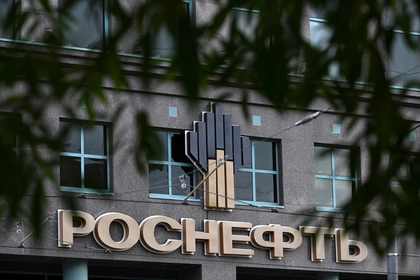
US Eases Sanctions on Rosneft’s German Subsidiary Amid Mounting Energy Fears
The move clears the way for potential buyers of the Russian oil giant’s business interests in Germany as conflict in the Middle East threatens Europe’s energy security.
More than half of respondents – 57% – also believe that Russian strikes on Ukraine’s energy infrastructure are justified.
The survey was conducted from Feb. 18 to 25 on a sample of 1,625 Russian citizens aged 18 and over. It was carried out at the respondents’ homes through personal interviews.
The Levada Center was formed in 2003 when researchers left VTsIOM, the state polling agency, after Moscow replaced its leadership, seeking a separate institute to continue their work outside direct government control.
In 2016, the Russian government designated the Levada Center as a “foreign agent.”