
Published on
March 5, 2026
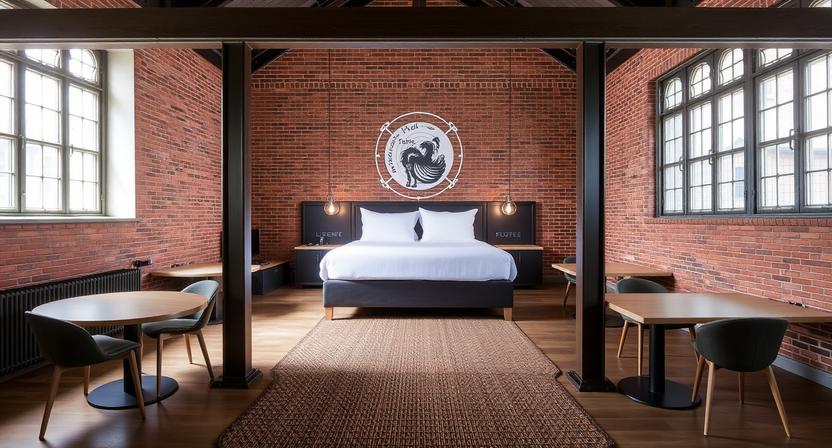
Image generated with Ai
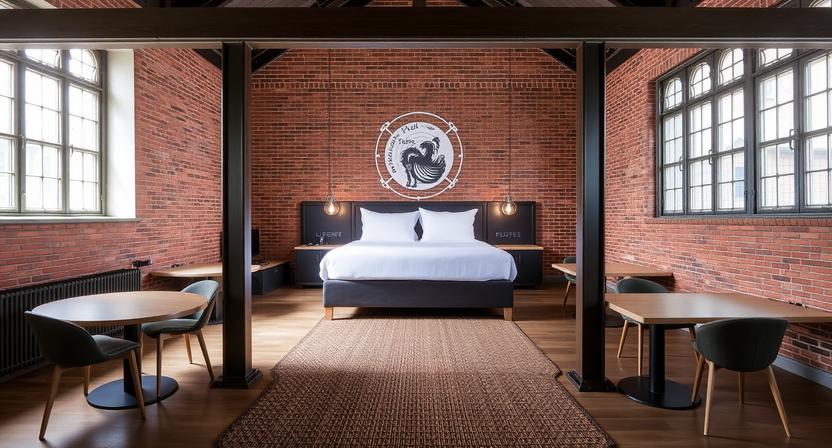
Lionel Jadot Studio has successfully transformed a former military barracks in Ghent, Belgium, into a unique 108-room hotel for Jam Hotel. This project showcases the growth of the hospitality industry in Belgium, particularly in Ghent, which is becoming a hub for sustainable design and modern tourism. This project has not only maintained the authenticity and integrity of a heritage structure but has also shown how such a structure can be used as a functional and eco-friendly hospitality venue.
Rather than transforming the existing structure, Lionel Jadot Studio has tried to retain the authenticity and integrity of the existing structure by making minimal changes and allowing the existing identity of the structure to guide the design process. This is a reflection of a larger trend that is emerging with regard to the growth of the hospitality industry in Belgium, wherein sustainability and transforming heritage structures are becoming key drivers for designing new and innovative hospitality venues.
Preserving the Building’s Original Fabric for Sustainable Hospitality
At the heart of the hotel’s transformation is the preservation of the original fabric of the building. During renovations, the team uncovered the building’s historic structure, including layers of paint, plaster, and exposed brick, all of which had been concealed beneath suspended ceilings and wall claddings. Instead of refinishing these surfaces, the team chose to expose them, preserving the building’s material history. This decision to highlight the building’s raw architectural identity contributes to both the sustainability of the project and the authentic guest experience.
Old wooden roof beams were repurposed to create flooring and cladding for the hotel’s bar, reinforcing the project’s commitment to reuse. This emphasis on reclaimed materials contributes to the growth of sustainable hospitality in Belgium by demonstrating how hotels can incorporate eco-conscious design while offering guests a unique and historically rich experience.
Collaborating with Local Designers to Foster Belgium’s Creative Industry
In a significant move to support local craftsmanship and design innovation, over 40 local designers, makers, and artists collaborated on the project. The Ghent-based studio Duplex Studio designed simple wooden furniture for the guest rooms and public areas, contributing to the hotel’s minimalist and sustainable aesthetic. A modular bed system was created to allow for disassembly and future reuse, embodying the hotel’s focus on sustainability and flexibility in design.
The reception desk, made from reclaimed shelving units, is another example of the hotel’s dedication to repurposing existing materials and supporting local design. Additionally, Pierre Vandeputte, a local designer, created unique furniture from salvaged planks found at a nearby former school site, highlighting the community-driven design approach that lies at the core of the project. These collaborations not only contribute to the hotel’s sustainable ethos but also support the growth of Belgium’s creative sector by providing a platform for local designers and artisans to showcase their work.
Advertisement
Advertisement
A Living Platform for Craft: Showcasing Belgian Design and Sustainability
The hotel features shelves made from recycled boards that display a curated selection of objects sourced from local workshops. These objects include leftover materials, fragments of stone, and textiles, turning the hotel into a living platform for regional craftsmanship and contemporary Belgian design. These installations not only serve as decorative elements but also tell the story of Ghent’s rich tradition of craftsmanship while promoting sustainability.
By incorporating local craftsmanship into the hotel’s design, the project underscores the importance of community collaboration and sustainable design in Belgium’s evolving hospitality landscape. It also highlights how adaptive reuse of historic buildings can contribute to Belgium’s tourism growth by attracting visitors interested in sustainable, culturally rich experiences.
Sustainable Hospitality: The Future of Belgium’s Growing Hospitality Sector
This adaptive reuse project is a clear example of how Belgium’s hospitality sector is embracing sustainability and local collaboration as key drivers of growth. As more travelers seek eco-friendly, authentic experiences, projects like the Jam Hotel Ghent provide a model for how historic properties can be repurposed to meet the needs of modern tourists while preserving the cultural heritage of the city.
The integration of reclaimed materials and minimal intervention in the design process has set a new standard for sustainable hospitality in Belgium, offering an example of how heritage buildings can be successfully repurposed to create unique, eco-conscious accommodations. This project contributes not only to Ghent’s tourism growth but also to Belgium’s broader hospitality sector, positioning the country as a leader in sustainable tourism and design innovation.
Enhancing Ghent’s Hospitality Scene and Attracting Sustainable Tourism
The Jam Hotel Ghent is a new standard for sustainable hospitality in Belgium, and its success is sure to pave the way for similar projects in other cities in Belgium in the future. With the hospitality sector in Belgium continuing to rise, the renovation of a century-old building such as a military barracks is a prime example of how hospitality growth can be fueled through sustainable means.
The Lionel Jadot Studio project is not just a renovation of a hospitality facility but a sustainable hospitality model that is propelling the growth of Belgium’s hospitality sector. It is a model for sustainable hospitality in Belgium that shows the world its potential for a leading role in eco-tourism and cultural conservation. It is a precursor to a new era in sustainable tourism in Belgium, which is sure to shape the evolving hospitality sector in Belgium.
