
Published on
March 6, 2026
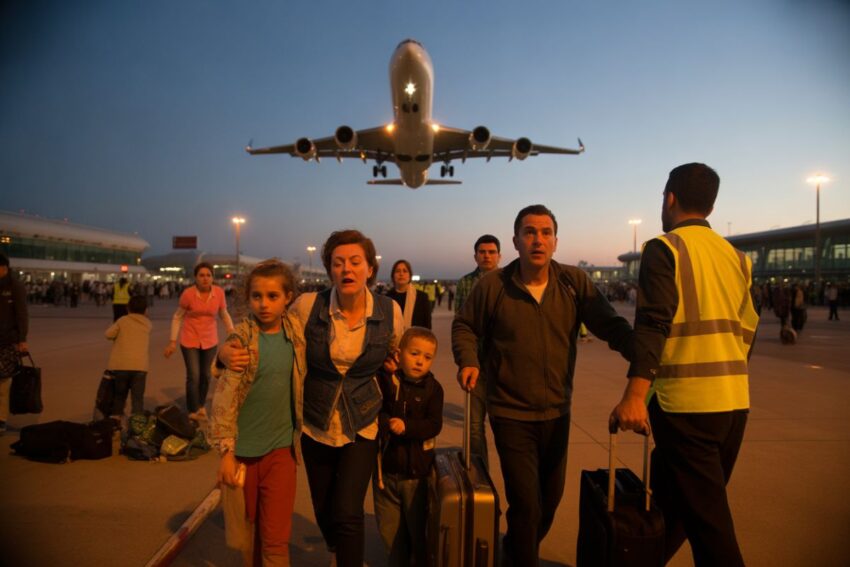
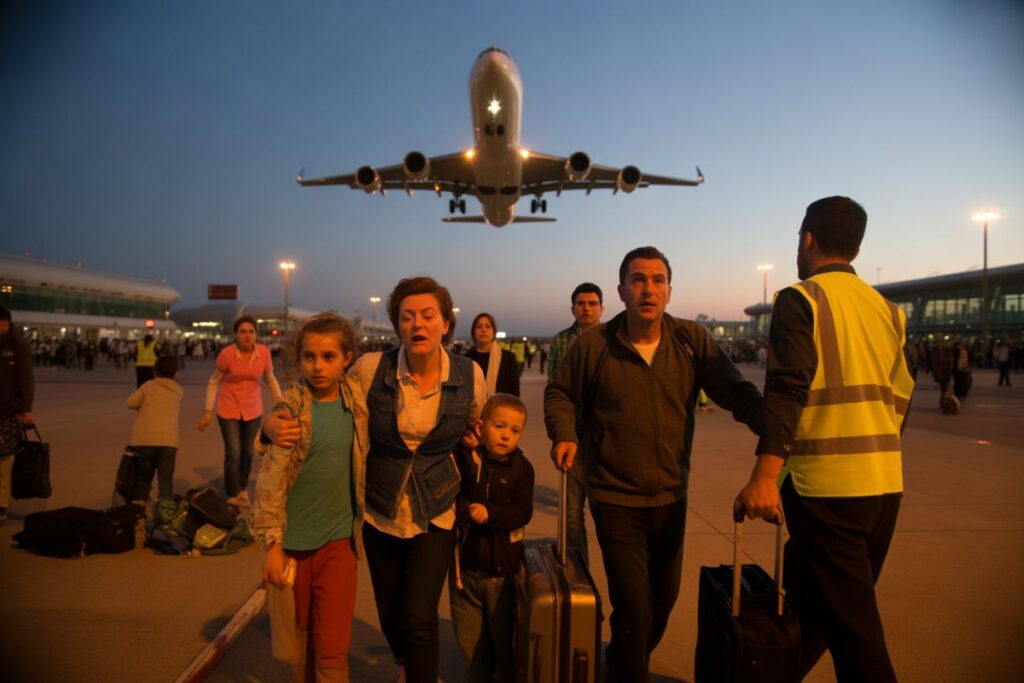
Image generated with Ai
Germany joins Austria, Belgium, Poland, France, Italy, and other European countries in coordinating the European Union Civil Protection Mechanism (EUCPM) to evacuate and safeguard European travellers stranded in the Middle East amid escalating conflict. As the situation in the region worsens, the EU has activated its Civil Protection Mechanism, which allows member states to collaborate on providing critical assistance, including organizing evacuation flights for their citizens. With the ongoing violence in Lebanon, Syria, and surrounding areas, several European nations have been quick to respond by organizing airlifts and logistical support to ensure the safe return of their nationals. Germany has taken a leading role in these efforts, working alongside other EU nations to facilitate repatriation flights and ensure the safety of its citizens. Austria, Belgium, Poland, France, and Italy have also been essential in coordinating these efforts, highlighting the EU’s unified approach to crisis management. These evacuations are crucial in protecting the lives of European travellers and residents caught in conflict zones, while also underscoring the challenges faced by the tourism industry in the region. As the crisis continues, these efforts are helping restore some stability and security for those seeking to return home.
The EU Civil Protection Mechanism: A Lifeline for Stranded Europeans
The EU Civil Protection Mechanism is a vital tool for the European Union when responding to crises such as natural disasters, health emergencies, and, in this case, a growing geopolitical conflict. The mechanism is designed to provide assistance to EU citizens and residents in regions of turmoil by organizing evacuation flights and other forms of assistance.
In the wake of the conflict in the Middle East, the EU has activated its Civil Protection Mechanism to help evacuate stranded European citizens from the region. These efforts involve a series of repatriation flights that are organized by EU member states in cooperation with the EU Commission.
Germany’s Role in the Evacuation Operations
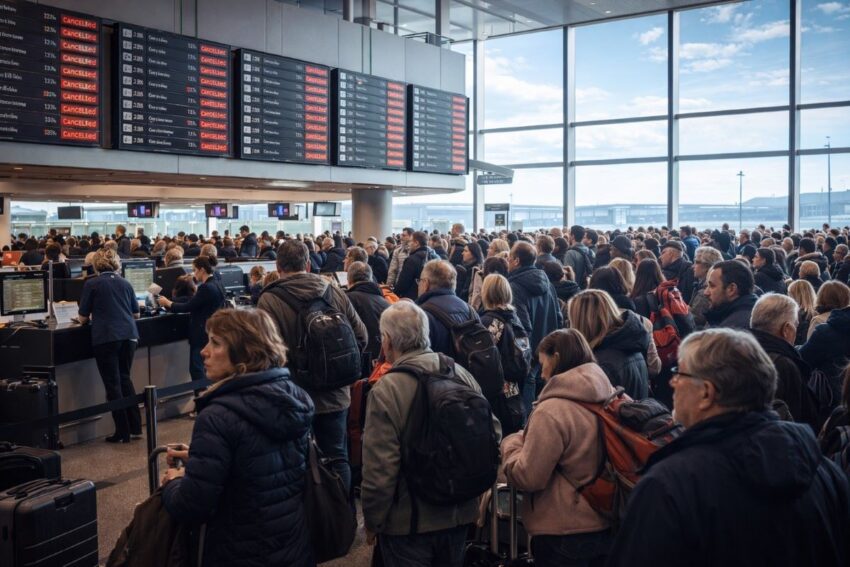
Image generated with Ai
Germany has been at the forefront of organizing evacuation flights under the EUCPM. As of March 2026, the country has successfully evacuated over 2,000 citizens from the Middle East, primarily from conflict zones in Lebanon and Syria. Germany’s Ministry of Foreign Affairs has worked closely with the European Commission to ensure that these repatriation efforts are carried out smoothly and efficiently.
Advertisement
Advertisement
German evacuation flights have been essential in providing a safe passage for travellers who were caught in the midst of escalating violence. These flights, organized through the German Federal Agency for Technical Relief (THW), have been operating under a tight schedule to ensure as many citizens as possible are brought home.
Austria’s Contribution to the Evacuation Efforts
Austria has also made significant strides in repatriating its citizens from the Middle East. With over 1,500 Austrian nationals successfully evacuated, Austria’s Ministry of Foreign Affairs has collaborated with the EU Civil Protection Mechanism to charter flights for those in need. Austrian citizens, especially those in Lebanon, have been among the top priority for evacuation.
Advertisement
Advertisement
Austria’s efforts also include coordinating with other EU member states to manage logistics and airspace clearance. The Austrian Federal Ministry for European and International Affairs has worked tirelessly to ensure that all available resources are used to facilitate the safe return of its citizens.
Belgium’s Role in Repatriation Efforts
Belgium, with its central role in EU operations, has played a pivotal part in the evacuation of European citizens from the Middle East. The Belgian government has successfully organized flights for over 1,200 of its citizens, providing them with the necessary consular assistance during this time of crisis. Belgium has also helped provide temporary shelter and support for those who were unable to immediately board flights back home.
Advertisement
Advertisement
The Belgian Ministry of Foreign Affairs has ensured that all citizens, whether they were on holiday or working in the region, are accounted for and evacuated safely. The government’s swift response to the crisis underscores Belgium’s commitment to its nationals abroad.
Poland and France: Supporting Citizens in the Middle East
Poland and France have also been crucial in the evacuation process. Poland has facilitated the safe return of more than 800 citizens, especially focusing on those in Lebanon and Syria. The Polish Ministry of Foreign Affairs, through the EUCPM, has coordinated with other EU nations to ensure timely and safe repatriation.
France, which has a significant presence in the Middle East, has been responsible for evacuating over 3,000 citizens from the region. France’s involvement in repatriation flights has been bolstered by its military and diplomatic assets, which have enabled the country to offer comprehensive support to its citizens.
Italy’s Efforts in Ensuring Safe Return
Italy has taken a proactive approach in repatriating its citizens from the Middle East. Over 1,000 Italian nationals have been evacuated through a series of airlift operations managed by the Italian Ministry of Foreign Affairs. Italy’s logistical efforts, alongside diplomatic negotiations, have ensured that citizens, including tourists and expatriates, are given priority during the evacuation process.
The EU’s Unified Approach to the Crisis

Image generated with Ai
The European Union’s response to the escalating conflict in the Middle East highlights the strength of its unified approach to crisis management. Through the EU Civil Protection Mechanism, the member states have ensured that their citizens are not left stranded in dangerous regions. These coordinated efforts involve diplomatic negotiations, logistical planning, and airlift operations designed to bring stranded European citizens to safety.
Rebuilding Trust in Travel: The Impact on Tourism
The evacuation efforts, while necessary for the safety of European citizens, have significant consequences for the tourism sector. The Middle East has long been a popular destination for travellers, particularly for cultural, historical, and religious tourism. However, the current instability has led to a significant decline in tourism to the region. The ongoing evacuation operations serve as a reminder of the unpredictability of travel during times of conflict, and many governments are advising citizens to avoid non-essential travel to the Middle East.
Conclusion: Coordinated Efforts Ensure Safe Return of European Travellers Amid Middle East Conflict
Germany joins Austria, Belgium, Poland, France, Italy, and others in coordinating the European Union Civil Protection Mechanism to evacuate and safeguard European travellers stranded in the Middle East amid escalating conflict. The EU’s unified response demonstrates the strength of international cooperation in times of crisis. With each country playing a pivotal role, these evacuation efforts are essential to ensuring the safety of European citizens caught in the turmoil. Through coordinated repatriation flights and logistical support, these nations have managed to bring thousands of citizens back home, providing a lifeline to those stranded in conflict zones. However, the broader impact on the tourism sector is undeniable, as instability in the region continues to discourage travel and disrupt the tourism industry. The ongoing efforts underline the EU’s commitment to its citizens’ safety, but also highlight the unpredictability of travel in conflict-ridden areas. As the situation in the Middle East evolves, it remains crucial for travellers to stay informed and adhere to government advisories, while the EU continues to prioritize the safe return of its citizens.
