
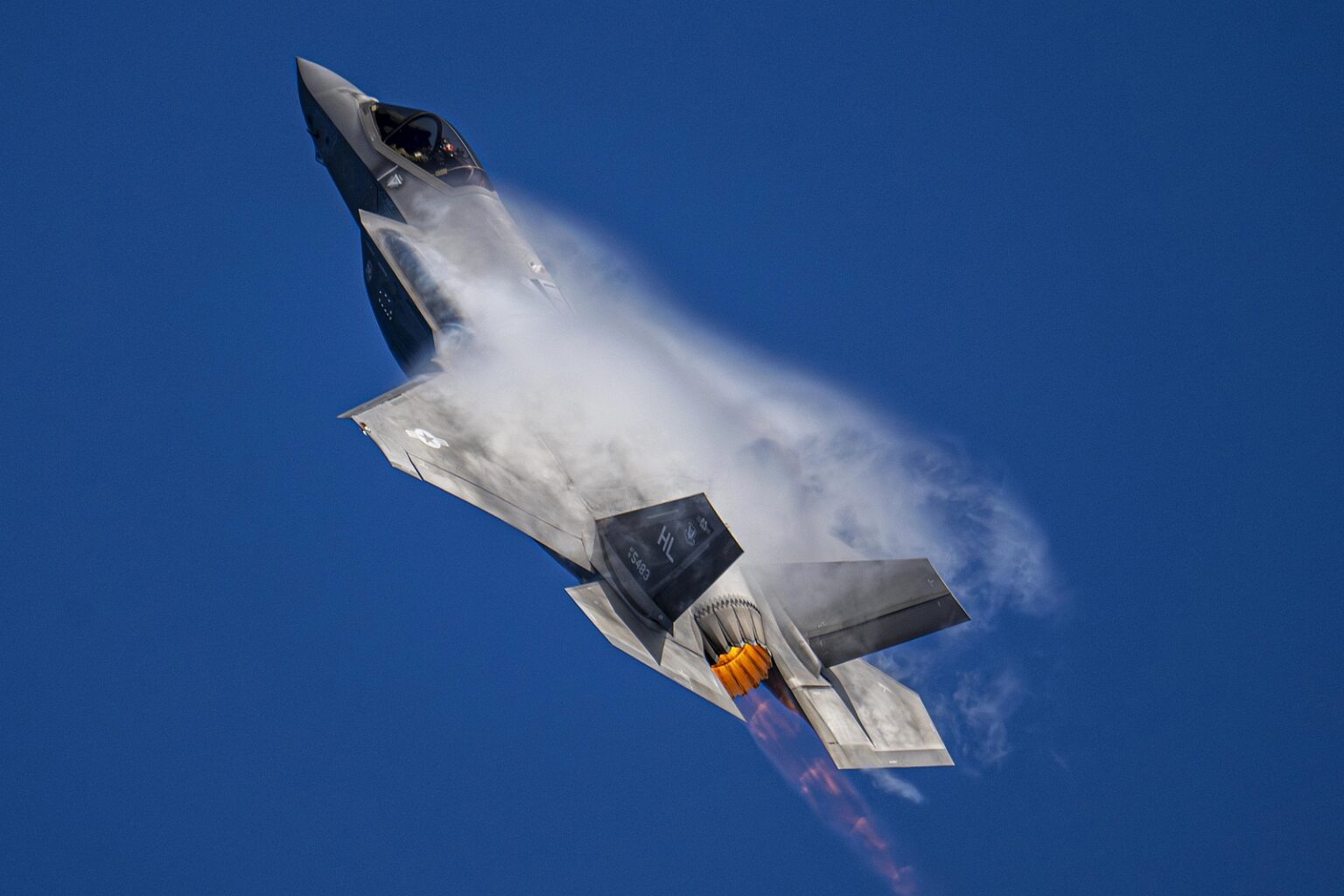
The fact that the originally desired fixed price for the planned Lockheed Martin-F-35 fighter aircraft for the Swiss Army will come to nothing, has already been reported by Militär Aktuell.
As the Swiss magazine “20 Minuten” reports, the amount of six billion Swiss francs (around 6.7 billion euros) approved in 2020 for up to 40 jets now corresponds – indexed – to around 7.13 billion Swiss francs (around 7.9 billion euros). The Swiss government therefore currently assumes that only around 30 F-35 fighter jets can be procured with this budget. This would correspond to a reduction of around 17 percent compared to the originally planned 36 jets.
The background to this is the special modalities of Foreign Military Sales (FMS). Customers of US armaments can purchase them at US conditions via the FMS system. The Pentagon’s F-35 Joint Program Office (JPO) bundles orders from the US armed forces, international partners and FMS customers and negotiates them jointly with industry as production lots. Only then are the price and delivery dates finalized.

Federal Councillor Martin Pfister stated: “30 F-35 jets are enough for air police services – but not in the event of a conflict.”
Patriot air defense system significantly delayed and more expensive
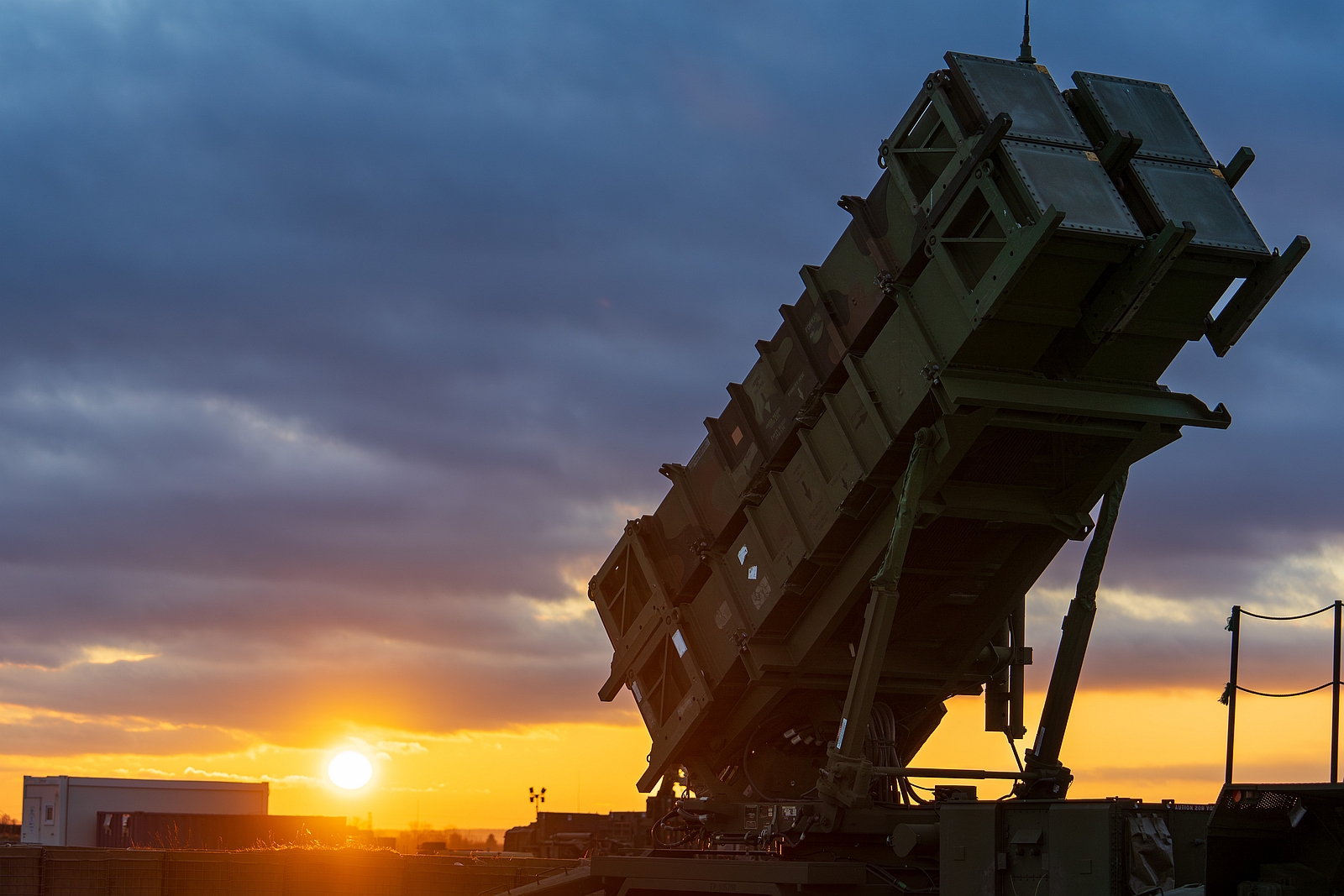
Switzerland is also currently feeling the effects of the sharp rise in global demand for ground-based air defense. According to Pfister, the five Patriot PAC-3MSE long-range air and missile defense systems that have already been paid for will be delayed by four to five years based on current information. At the same time, significant additional costs are to be expected.
The Federal Council therefore also wants to examine the purchase of another system – preferably a European one. The French-Italian SAMP/T NG is considered a possible candidate. The IRIS-T-SLX missiles from Diehl Defence, which will be available from around 2029 Diehl Defense with a range of around 100 kilometers could also be an option.
 The global demand for air defense systems currently exceeds the industry’s production capacities. SVP member of the Council of States Werner Salzmann: “It has been suspected for some time that Switzerland is no longer in a position to be supplied.”
As part of the European Sky Shield Initiative (ESSI), Switzerland has already has already ordered five IRIS-T-SLM medium-range air defense systems. The planned SLX missile is compatible with the system and can be deployed together with SLM missiles from the same launchers.
Tax increase for armaments fund
According to Defense Minister Martin Pfister, the Swiss Armed Forces must be much better prepared for the current security situation.
A temporary increase in VAT of 0.8 percentage points for ten years is therefore being discussed in order to provide additional funds for defense. However, this measure would have to be confirmed by the Swiss population in a referendum. A corresponding vote could take place in summer 2027.
The Pentagon also needs more money for the F-35
As Bloomberg reported on Thursday, the Pentagon also needs additional funding for the F-35 program. According to documents from the Government Accountability Office (GAO), “measures are needed to address the challenges of maintaining and operating the F-35”.
In fiscal 2025, all variants of the F-35 were more than 35 percentage points below the minimum performance target for full operational capability. In addition each F-35 version fell short of its minimum mission capability target by at least ten percentage points.
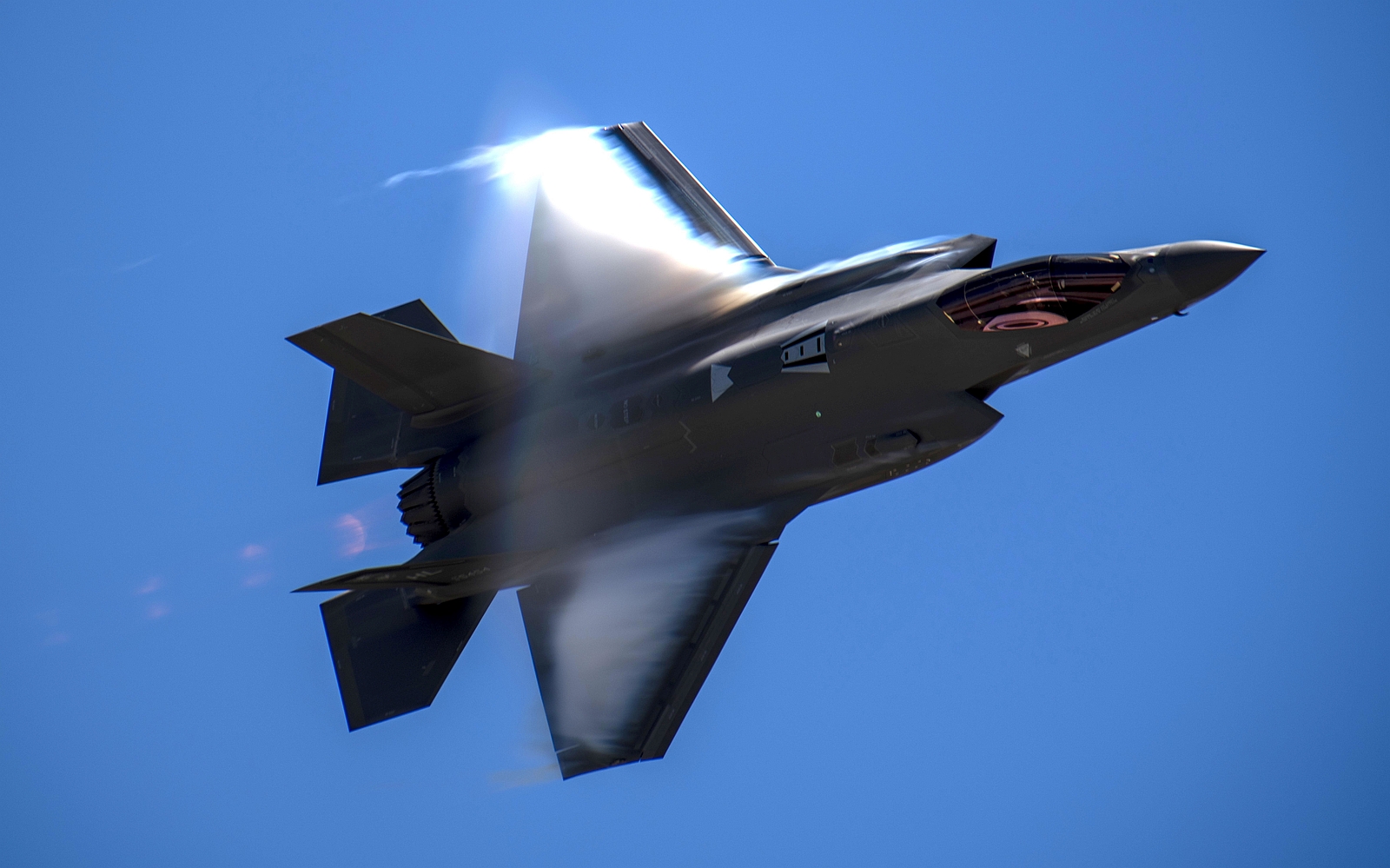 F-35: An additional 12 billion euros are needed to achieve the planned operational capability of the entire fleet by 2030.
The F-35 Joint Program Office has therefore determined that the current sustainability strategy is not sufficient to meet the requirements of a growing F-35 fleet. The US armed forces currently operate around 800 F-35A, F-35B and F-35C aircraft.
The program office has since developed an updated strategy to address several of the previously identified issues. The aim is to achieve a fleet-wide operational capability of 80% and a full operational capability of 65% by 2030.
The estimated costs of this new strategy amount to around 12 billion euros over the next five financial years.
Here for more reports about Lockheed-Martin and here to further reports on the Swiss Armed Forces.