
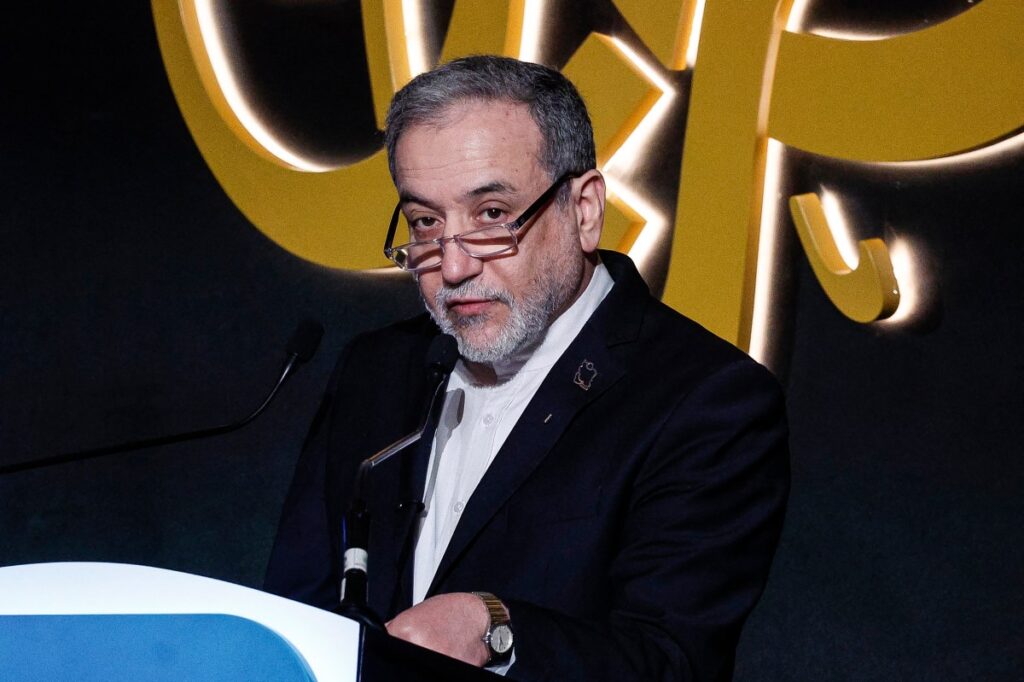
Iranian Foreign Minister Abbas Araghchi evaded questions on Sunday about whether Russia is providing Iran vital intelligence to target American personnel and assets in the Middle East.
Speaking with NBC News’ Kristen Welker on Meet the Press, Araghchi would only say Iran and Russia have a “very good partnership” and that Moscow is “helping us in many different directions.”
“A military cooperation between Iran and Russia is not something new. It’s not a secret. It has been in the past, and it’s still there, and will continue in the future,” he said.
Newsweek reached out to the White House and Russia’s foreign ministry by email on Sunday morning for comment.
Why It Matters
Last Saturday, the United States and Israel targeted key military targets in Iran and killed Supreme Leader Ayatollah Ali Khamenei and other government leaders. Iran then responded by launching missiles and drones targeting Israel and several Gulf Arab states that host U.S. armed forces. It marks the second time in eight months that Israel and the U.S. used military force against the Islamic Republic.
U.S. officials have said the goal of the operations against Iran has been to diminish the country’s nuclear program and Navy.
The Iranian-Russian partnership has grown stronger over the course of the past few years as Iran provided much-needed assistance to Russia during the latter’s invasion of Ukraine by supplying Iranian-designed “kamikaze” drones that have bolstered the Russian air campaign. Iran has also helped Russia localize and scale up drone production inside its own territory.
In return, Russia has included Iran in the expanded membership push by the BRICS group of nations—of which Russia is a founding member—and the Shanghai Cooperation Organization, which have helped alleviate the pressure of Western sanctions on the Mideast nation.
Moscow and Tehran formalized this alignment early last year by signing a “comprehensive strategic partnership” treaty that expanded cooperation in military affairs, trade and technology.
What To Know
Details about the U.S. intelligence regarding Russia and Iran was first reported last week by The Washington Post, and U.S. officials familiar with intelligence assessments told the Associated Press Moscow is providing Iran with intelligence that helped it target American military assets across the Middle East, including warships and aircraft.
The officials added there is no evidence Moscow is directing how Tehran should use this information.
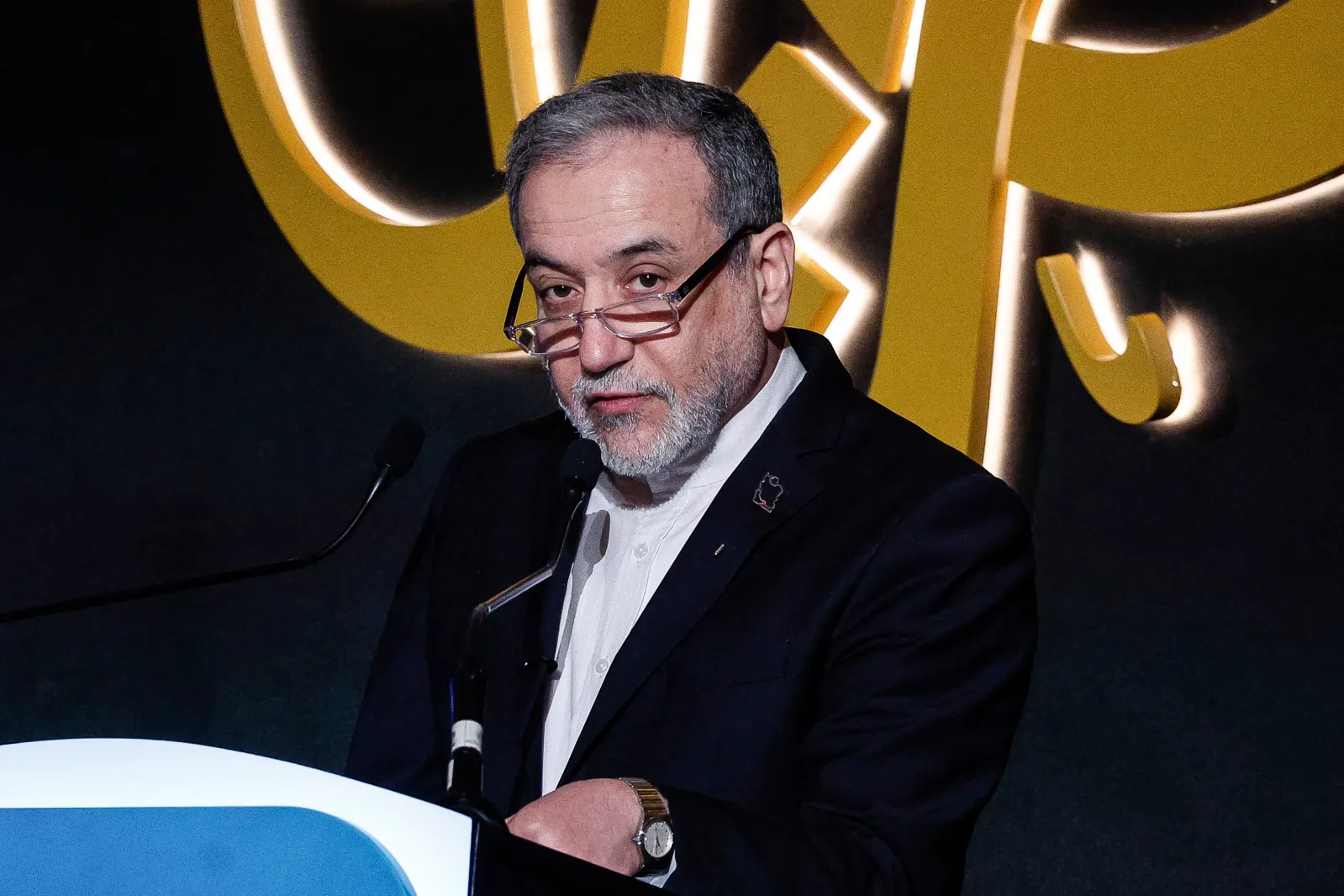
Araghchi told Welker on Sunday Iran and Russia “have a strategy” but that he didn’t have “exact military information.”
“As far as I know, we have a very good partnership with Russia,” he said. “They are helping us in many different directions. I don’t have any detailed information.”
U.S. Not Concerned by Russian Assistance to Iran
The Trump administration has dismissed or downplayed concerns about the impact of that intelligence—first, with President Donald Trump saying it would be an “easy problem” to handle, and White House press secretary Karoline Leavitt saying that even if those reports proved true it “is not making any difference with respect to the military operations in Iran.”
It remains unclear if the president has discussed this news with his Russian counterpart Vladimir Putin, although Special Envoy Steve Witkoff told reporters aboard Air Force One that he asked Russia to not share any intelligence, adding he “hopes” it’s not happening.
Trump also said the U.S. is not sure whether Russia is sharing that data with Iran.
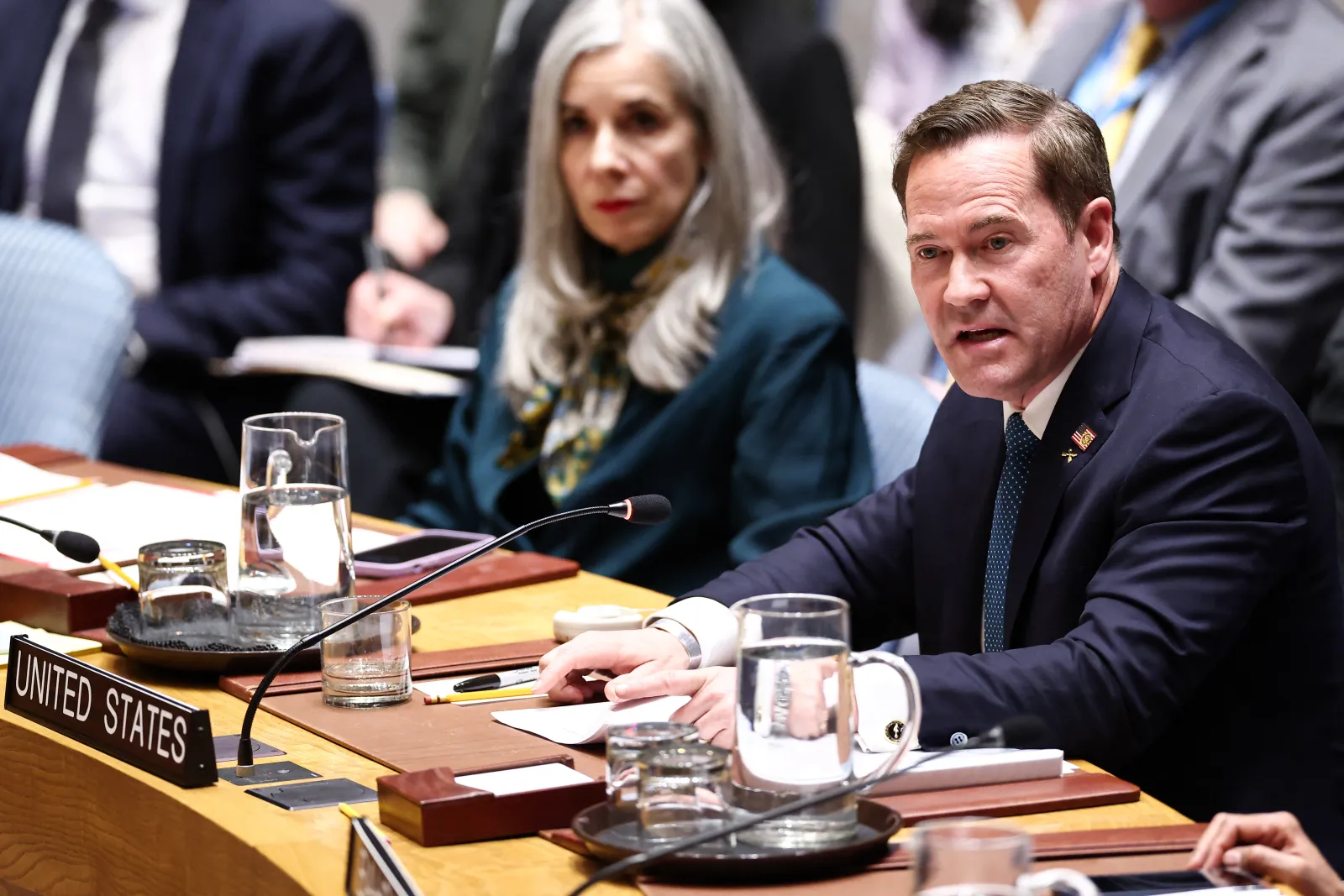
During an appearance on Meet the Press, U.S. ambassador the United Nations (U.N.) Mike Waltz said he wouldn’t get into intelligence, but Russia has “lost its main supplier” of drones and missiles that it heavily relies on in Ukraine, and the U.S is already sanctioning two of the biggest Russian oil suppliers.
“That’s a form of revenue going into Russia, so no one can argue he [President Trump] hasn’t taken trough measures and will continue if he decides to do so,” Waltz said, noting that Iran and Russia have a “symbiotic relationship” and reiterated that “if they are providing anything, it certainly hasn’t been very effective.”
Anger Over U.S. Waiver for Russian Oil
Last week, the U.S. made a decision to provide a sanctions waiver to India to buy Russian oil for 30 days while the Strait of Hormuz remains closed, creating a global oil and gas crisis as millions of barrels of oil remain stranded around the narrow chokepoint through which Iran has control.
Representative Ted Lieu, a California Democrat, criticized Leavitt for downplaying concerns over intelligence sharing and demanded on X to know “why won’t you condemn Russia for helping Iran?”
Representative Joe Wilson, a South Carolina Republican, also lashed out at the administration, writing on X that “war criminal Putin is killing Americans by providing Iran intel. Russia must be held accountable for mass chaos and death.”
However, a source familiar with the matter told Newsweek the Russian government generates most of its energy revenue through taxes imposed on oil after extraction and not when it is delivered to buyers, which would render the entire issue irrelevant. The waiver only applies to oil currently on vessels and exported, which is “unlikely to provide significant financial benefit to the Russian government.”
“OFAC [Office of Foreign Assets Control] has previously issued over one hundred General Licenses under our Russia-related authorities that include tailored authorizations in support of U.S. foreign policy and national security goals,” the source noted.
In a polarized era, the center is dismissed as bland. At Newsweek, ours is different: The Courageous Center—it’s not “both sides,” it’s sharp, challenging and alive with ideas. We follow facts, not factions. If that sounds like the kind of journalism you want to see thrive, we need you.
When you become a Newsweek Member, you support a mission to keep the center strong and vibrant. Members enjoy: Ad-free browsing, exclusive content and editor conversations. Help keep the center courageous. Join today.

