
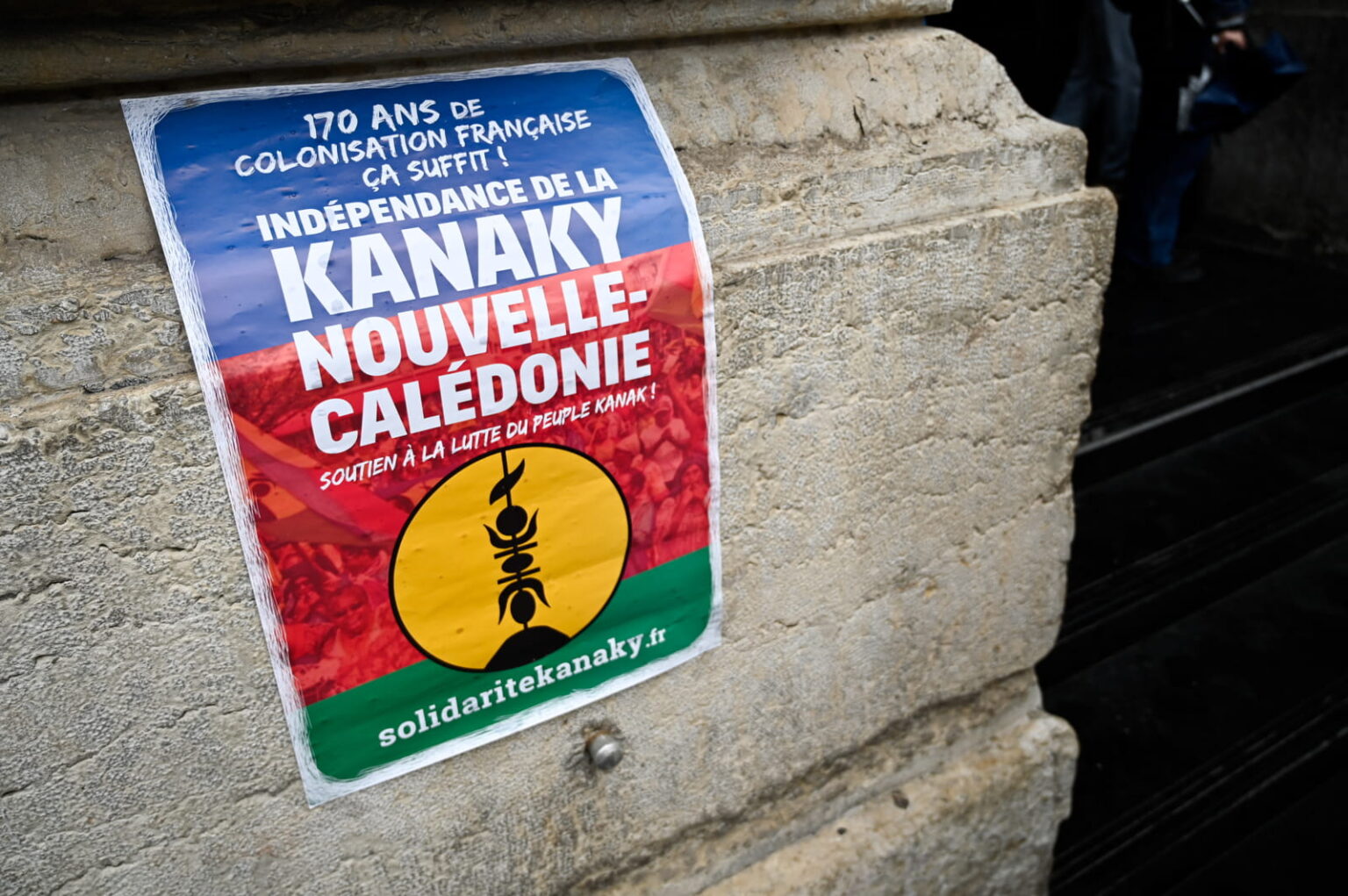
The deadlock over New Caledonia’s future is deepening, with continued risk of further violence.
French President Emmanuel Macron’s efforts to resolve a long-running impasse over the territory’s political future have met with resistance both in Paris and locally.
Various ideas for the future have been debated, all parties initially endorsing the Bougival Accord to create a “state” of New Caledonia within France with the possible acquisition of full sovereign powers albeit through complex procedures.
But the core independence coalition withdrew its support. Macron nonetheless persisted. By the end of 2025, support fell away as others, even moderate loyalists, sought clarifications.
Macron personally convened another meeting in Paris in January 2026, without the independence coalition, and with some other party leaders absenting themselves. The resultant Elysée-Oudinot complementary Accord elaborated on local Kanak recognition, confined self-determination to the process of acquiring powers within France, and increased provincial powers. Macron pursued his constitutional reform legislation, achieving the first step, Senate approval, on 24 February.
But Macron’s Accords are clearly in big trouble.
The controversial December 2021 independence referendum remains an obstacle. Kanak independence parties had called for the vote to be postponed at the peak of Covid pandemic, given cultural grieving practices. They boycotted that vote and demanded another one.
After two years of failed efforts to bring all parties to the conference table, by late 2023 Macron moved to impose sensitive voter eligibility changes diluting the indigenous vote. Violent protests followed through most of 2024, ending only after Macron had dispatched thousands of security personnel to New Caledonia.
But the problems have compounded.
The first is a national French political one. Macron has been operating with a hung parliament since calling early elections in mid-2024, when he lost support and no party won a majority. The Socialist Party has now said they will oppose the New Caledonian reform, partly because there was no local consensus. Given other party positions, their support is essential for National Assembly approval, and to ensure the 60% support in a joint congress of both Houses necessary for constitutional change. So the Accords seem doomed.
A prosperous nickel industry will not succeed without an enduring political agreement.
Those few who follow New Caledonia issues in Paris say the French government is already planning the “après-cata” (“post-catastrophe”), or how to manage politically the inevitable failure of Macron’s reform legislation, presumably by blaming the Socialists. There is no sign of Macron stepping back from the reforms despite the risks.
In New Caledonia, the Elysée-Oudinot Accord has only deepened opposition, and not just from the independence coalition. One senior coalition figure, Emmanuel Tjibaou, immediately slammed it, accusing France of forcing change again and rallying supporters to “fight” to inform parliamentarians of their position. He wants early local elections to legitimise representatives for new discussions about the future.
A moderate independence party, Palika, split from the coalition in 2024. It had supported the changes, yet just before the French Senate vote, Palika leader Paul Neaoutyine also expressed clear opposition. He said the Accords broke the legacy of past transition agreements, entrenched New Caledonia permanently within France, tied the nickel industry to EU markets, subordinated new foreign policy powers to French interests, and risked partition of the territory between the rich European south and the poor Kanak areas.
Moderate loyalist leader Philipe Gomes also voiced his opposition for many of the same reasons, warning the non-inclusion of the independence coalition – and the risk of partition advantaging loyalist interests – would lead to more violence.
Meanwhile local debate about nickel production deepens division. The strife since 2021, as well as international factors, has contributed to plummeting production, threatening the territory’s three nickel plants. To secure revenue, loyalists led the local Congress on 2 March to endorse raw nickel exports – long opposed by independence parties. Despite investment interest by a Chinese company in the Kanak northern plant and a Middle East conglomerate in the Southern Prony project, a prosperous nickel industry will not succeed without an enduring political agreement.
History shows French proposals cannot advance without including key Kanak parties. The lessons of repeated failed statutes in the 1970s and early 1980s with four years of civil upheaval should not be forgotten. France must reassess its position. Persisting with constitutional reform, without an agreement that includes the principal indigenous independence parties, inevitably risks solidifying opposition, and potentially further violence.