That is a huge number Brazil is crypto adoption keeps growing
coinfeeds-bot on
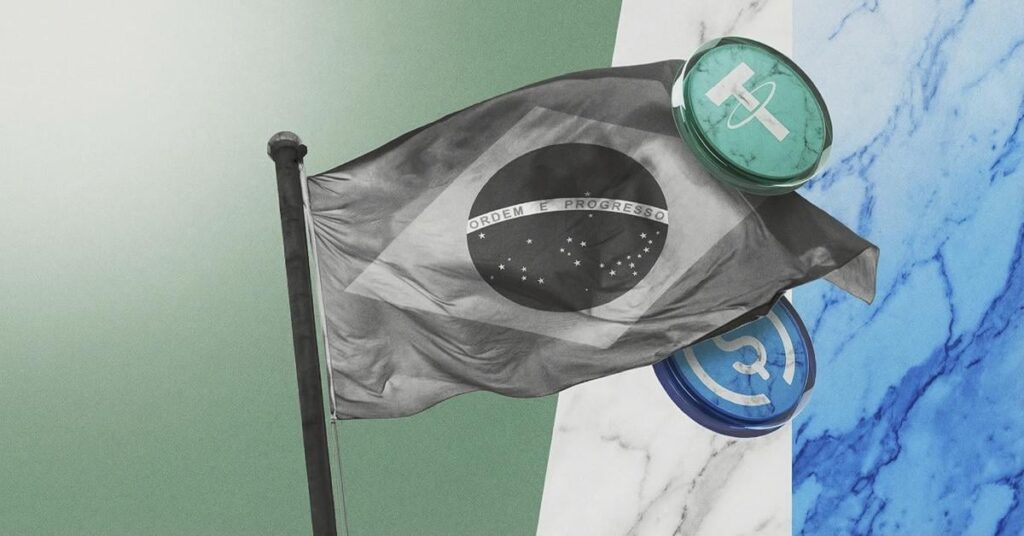
tldr; Brazil received $318.8 billion in crypto value in 2025, accounting for nearly one-third of all Latin American crypto activity. The country has embraced stablecoins, with over 90% of crypto flows tied to them, used for remittances, treasury moves, and payments. Brazil’s regulatory environment supports crypto adoption, contrasting with restrictive policies in countries like South Korea and China. The nation is also exploring a sovereign bitcoin reserve, highlighting its progressive stance on digital assets and its potential to lead in crypto policy and innovation.
*This summary is auto generated by a bot and not meant to replace reading the original article. As always, DYOR.
EarningsPal on
Brazil has had massive inflation over the decades and just slashed zeros off the currency and gave it a new name. People alive know this history.
Bluejumprabbit on
This number make total sense from the angle where your local currency keeps losing purchasing power. The real question is how much of this is retail vs institutional flow

4 Comments
That is a huge number Brazil is crypto adoption keeps growing
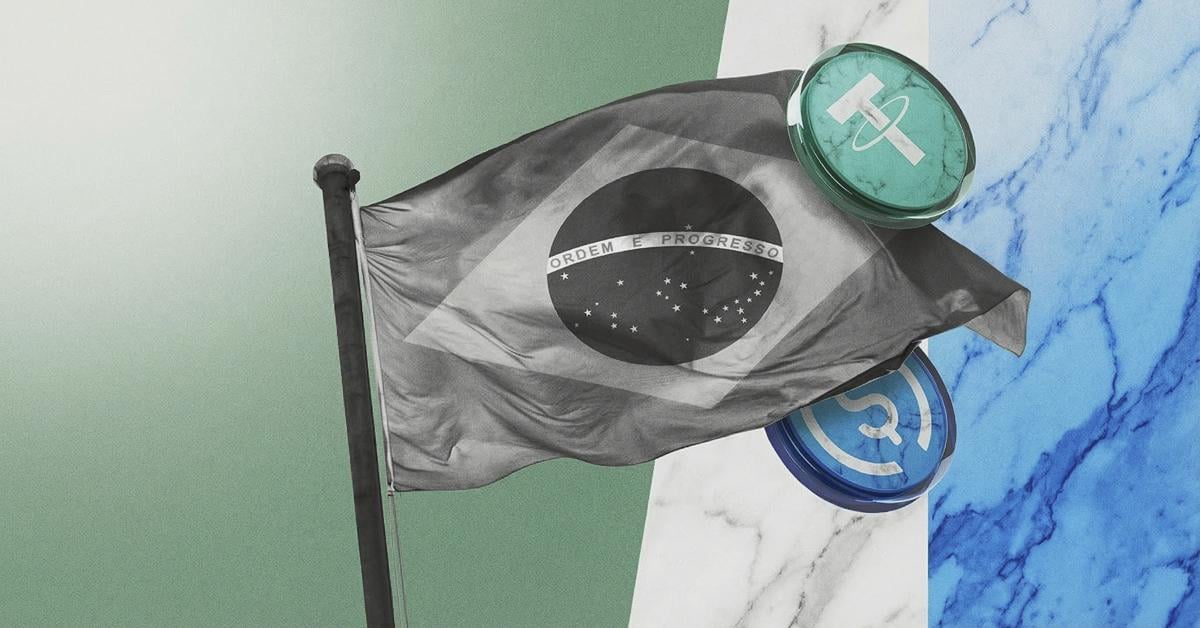
tldr; Brazil received $318.8 billion in crypto value in 2025, accounting for nearly one-third of all Latin American crypto activity. The country has embraced stablecoins, with over 90% of crypto flows tied to them, used for remittances, treasury moves, and payments. Brazil’s regulatory environment supports crypto adoption, contrasting with restrictive policies in countries like South Korea and China. The nation is also exploring a sovereign bitcoin reserve, highlighting its progressive stance on digital assets and its potential to lead in crypto policy and innovation.
*This summary is auto generated by a bot and not meant to replace reading the original article. As always, DYOR.
Brazil has had massive inflation over the decades and just slashed zeros off the currency and gave it a new name. People alive know this history.
This number make total sense from the angle where your local currency keeps losing purchasing power. The real question is how much of this is retail vs institutional flow