
In December 1999, six months after the end of the Kosovo war, two British forensic experts were asked by the International Criminal Tribunal for the former Yugoslavia, ICTY, to make a secret trip to examine the bodies of a Kosovo Albanian family allegedly killed by Serbian paramilitary leader and underworld boss Zeljko ‘Arkan’ Raznatovic.
When Arkan was shot dead in a Belgrade hotel the following month, their trip was cancelled, and the evidence collected up to that point never made public.
Arkan had been indicted by the ICTY in 1997, for crimes committed in Bosnia and Herzegovina. This indictment was released by the court in The Hague in 2001, but a second indictment concerning Kosovo, filed by American prosecutor Clint Williamson, remains under wraps more than a quarter of a century later.
Shortly after Arkan’s death, the ICTY’s then chief prosecutor, Carla Del Ponte, said the contents of the indictment remained “subject to an order of non-disclosure, and that order is still in effect”.
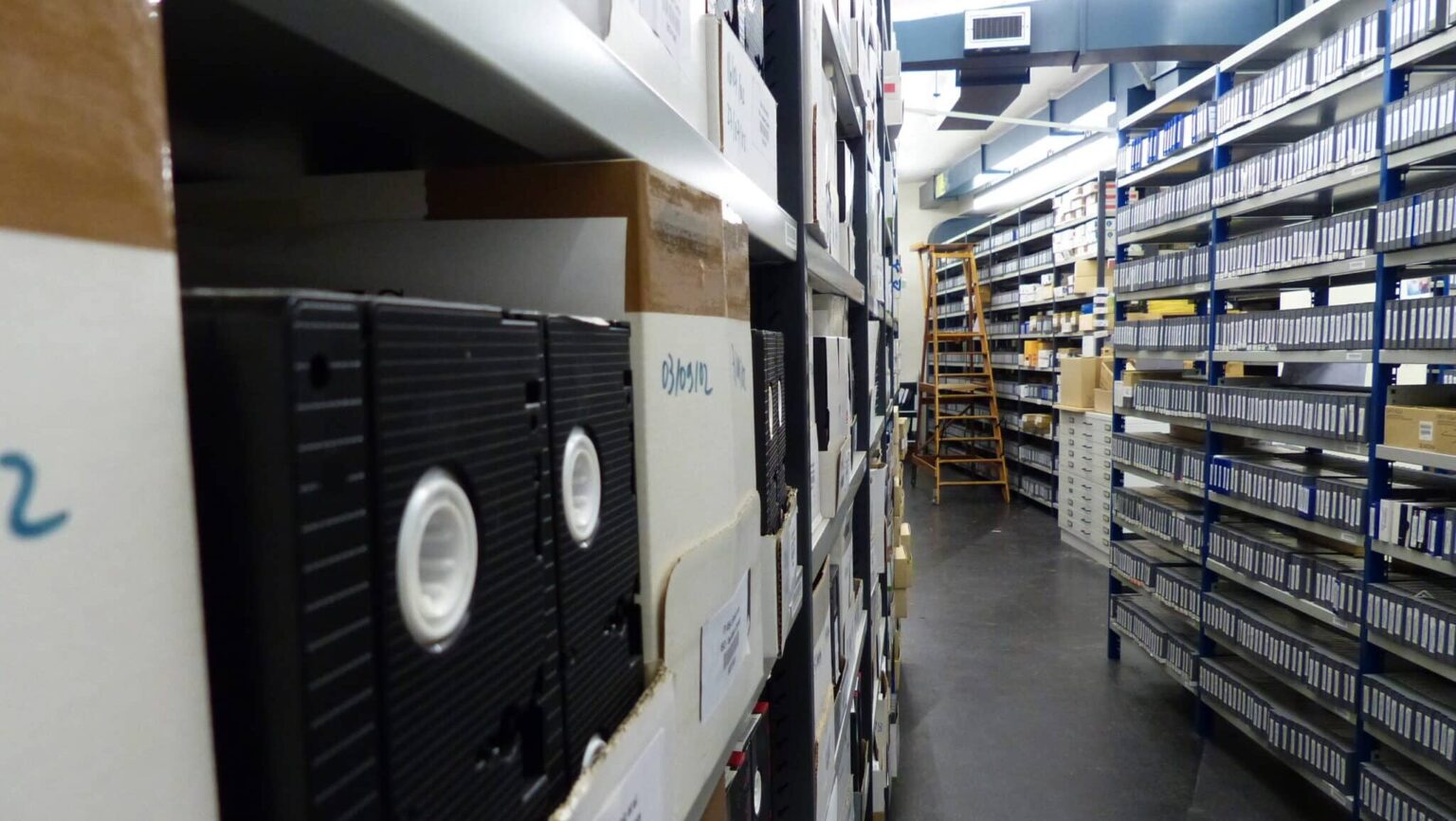
Now, as the UN Security Council reviews the mandate of the International Residual Mechanism for Criminal Tribunals, created in 2013 to carry out the remaining functions of the ICTY and a similar Rwanda tribunal following their closure, Kosovo is asking for equal access to its archives.