
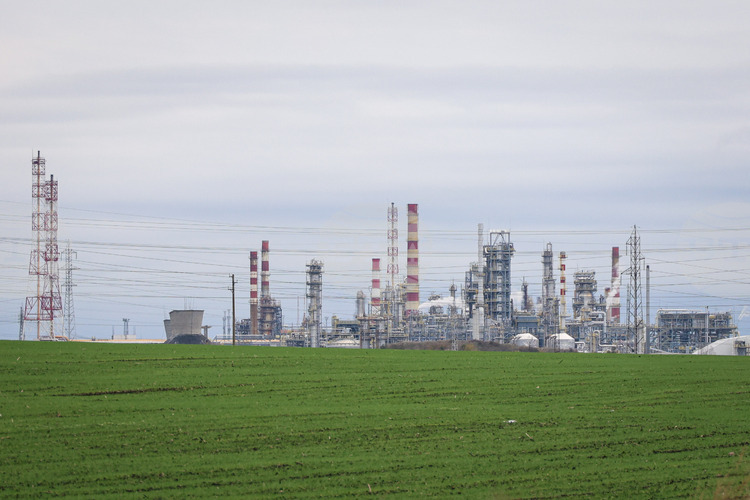
Bulgarian institutions have stepped up monitoring and coordination on the fuel market as tensions around the Strait of Hormuz raise concerns about global energy supplies. Authorities say the country currently has sufficient fuel reserves while new oversight mechanisms are being introduced to track prices and prepare possible response measures.
The Customs Agency has launched daily monitoring of fuel prices, aimed at detecting unusual fluctuations amid the crisis in the Middle East and the risk of disruptions to global oil routes. The agency will collect and analyze data on the prices of petroleum products in Bulgaria in order to identify potential irregularities and provide timely information to the government and other institutions responsible for market oversight.
At the same time, the caretaker government has set up an interministerial commission tasked with monitoring developments on the fuel market and preparing possible response measures. The body includes representatives of several institutions and is expected to assess risks related to supply, price movements and the broader economic impact of the situation. Its role is to coordinate actions among the relevant authorities and to propose measures if needed.
Officials have also sought to reassure the public that fuel stocks in Bulgaria remain sufficient despite the tensions. Assen Assenov, Chair of the State Agency for State Reserves and Wartime Stocks, confirmed that the country has adequate quantities of fuels in reserve and that the situation on the domestic market is stable. According to the government, monitoring mechanisms are in place to ensure timely responses in the event of disruptions in international supply chains.
Speaking in Parliament, National Revenue Agency Head Rumen Spetsov said Bulgaria currently has fuel supplies that could last until the end of March even if the Strait of Hormuz were blocked. He stressed that the country’s reserves and available deliveries provide a buffer that would allow the government to react and seek alternative solutions if necessary.
The developments come amid broader global uncertainty following escalating tensions in the Middle East, which have increased concerns about the security of energy supply routes and potential price volatility. Bulgarian authorities say they will continue to monitor the situation closely and coordinate their actions to safeguard fuel supplies and market stability.
/KK/