
Published on
March 11, 2026
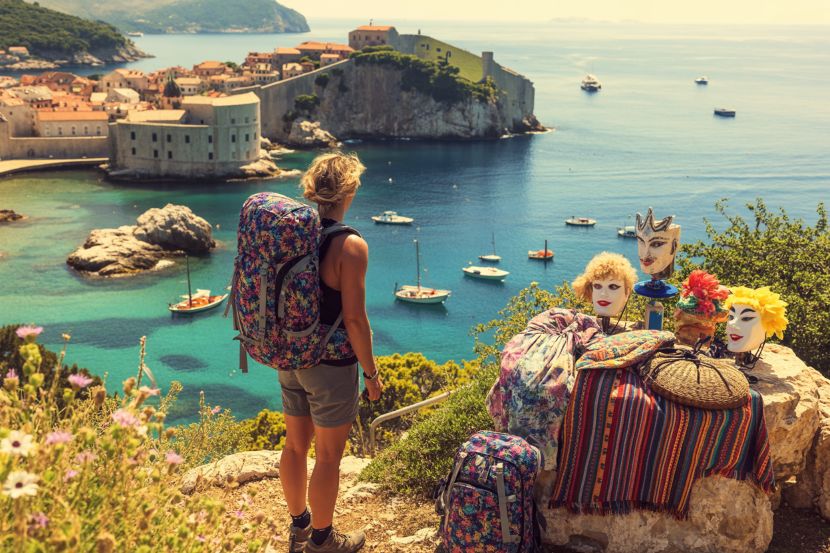
Image generated with Ai
The ongoing geopolitical tensions in the Middle East have put several traditional travel hubs in the Persian Gulf on edge, with political instability casting a long shadow over what were once thriving tourism hotspots. Countries like Saudi Arabia, the United Arab Emirates (UAE), Qatar, and Bahrain now find their tourism industries under threat. Tourist spending in these regions had reached an impressive $193.9 billion last year, with a forecasted growth of 4.35% annually up to 2035, but the recent conflicts are already destabilising these optimistic projections.
In light of these developments, tourists are looking for safer alternatives. Destinations in Latin America and Europe are seeing increased demand as travellers seek refuge from uncertainty in the Middle East. This shift in travel patterns is reshaping global tourism, as Europe and South America emerge as the top contenders for those searching for new, secure, and less volatile vacation spots.
A New World of Travel Opportunities
The latest wave of travel disruptions has spurred a fundamental shift in tourism trends. According to Mabrian, a leading tourism analytics company, this situation is creating three possible scenarios for the global tourism market. In one scenario, European travellers are increasingly drawn to destinations closer to home, such as Croatia, Czech Republic, Norway, and Spain. For Italians, in particular, Spain is a popular choice, with nearly 15% of Italian holidays annually booked there.
In another scenario, Asia is becoming a desirable alternative for tourists, with Japan, Thailand, and Vietnam being among the most popular destinations. However, for this trend to fully develop, maintaining affordable airfares on these routes will be crucial.
Advertisement
Advertisement
Finally, Latin America is seeing a remarkable resurgence in interest, particularly for Brazil and Peru, which are being viewed as safe, exotic options for adventurous travellers. South Africa and the Maldives are also seeing similar levels of demand, with British tourists showing the greatest interest in these long-haul destinations.
Key Destinations That Are Gaining Popularity
In the wake of the Middle East crisis, several countries are becoming increasingly attractive to travellers looking for alternatives. Brazil, with its rich cultural heritage and beautiful landscapes, is leading the charge in South America. Rio de Janeiro’s Carnival, world-renowned for its vibrant atmosphere, is a major pull for tourists. Similarly, Peru, home to the famed Machu Picchu, is offering unique cultural and natural experiences that cater to the growing demand for adventure tourism.
Advertisement
Advertisement
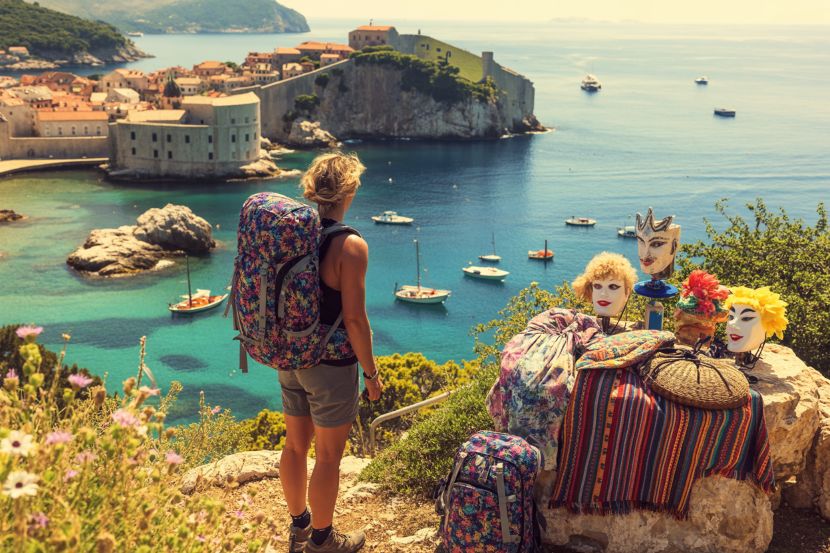
Meanwhile, in Europe, Croatia has become a magnet for those seeking a Mediterranean experience without the unrest. Croatia’s Adriatic coastline, historic Dubrovnik, and modern amenities make it an ideal vacation spot. Spain and Norway are also seeing significant interest, with Spain offering its beautiful coastlines and Mediterranean vibes, and Norway attracting nature lovers with its stunning fjords and Northern Lights.
Why the Shift to Alternative Destinations?
The primary reason for the change in tourism patterns is the heightened security risks in the Middle East, which have made many popular destinations unsafe for travellers. Countries like the UAE, Qatar, and Saudi Arabia, which were once seen as luxurious, secure, and thriving holiday destinations, have now become unpredictable due to the ongoing conflicts.
European tourists, particularly those from Germany, France, and the UK, are opting for destinations within Europe and Latin America as a safer option. The political stability, ease of access, and affordability of these alternatives are all contributing factors to the growing appeal of places like Croatia, Brazil, and Peru.
Additionally, tourists are also shifting their preferences towards eco-tourism, cultural immersion, and adventure tourism, which these new destinations provide in abundance. The allure of unspoiled beaches, heritage sites, and authentic cultural experiences is drawing those who are wary of the uncertainty in the Middle East.
Travel Tips for Those Exploring New Destinations
As travellers pivot towards new destinations, it’s important to stay informed and prepared. Here are some essential travel tips for those heading to Brazil, Croatia, and Peru:
- Plan Your Flights Early: Airfares can fluctuate, especially during times of political instability. Booking in advance helps you secure the best rates, especially to more remote destinations.
- Embrace Local Cultures: From Brazil’s Samba in Rio to Croatia’s Roman architecture, immersing yourself in the local culture will enhance your travel experience. Make sure to explore local cuisine, art, and traditions.
- Travel Insurance: Given the unpredictability of global events, comprehensive travel insurance is a must. It should cover flight cancellations, medical emergencies, and natural disasters.
- Stay Updated on Travel Advisories: While Latin America and Europe are currently deemed safe, it’s still important to stay updated with government travel advisories to ensure a smooth trip.
- Sustainable Travel: Focus on sustainable tourism practices, which are gaining momentum in countries like Brazil and Peru. Support local businesses and eco-friendly initiatives.
Shaping the Future of Global Tourism
As the Middle East continues to face uncertainty, the global tourism market is undergoing a significant transformation. The rise of alternative destinations like Brazil, Croatia, and Peru is a testament to the resilience of the industry. These destinations are not only meeting the demand for safe travel but also offering unique experiences that cater to the evolving desires of modern tourists.
With Latin America and Europe growing in appeal, it’s clear that the Middle East crisis has accelerated a shift in travel habits, with people seeking destinations that provide both security and enriching cultural experiences. This change will undoubtedly have long-lasting effects on the tourism industry, with countries like Brazil and Croatia emerging as long-term favourites.
