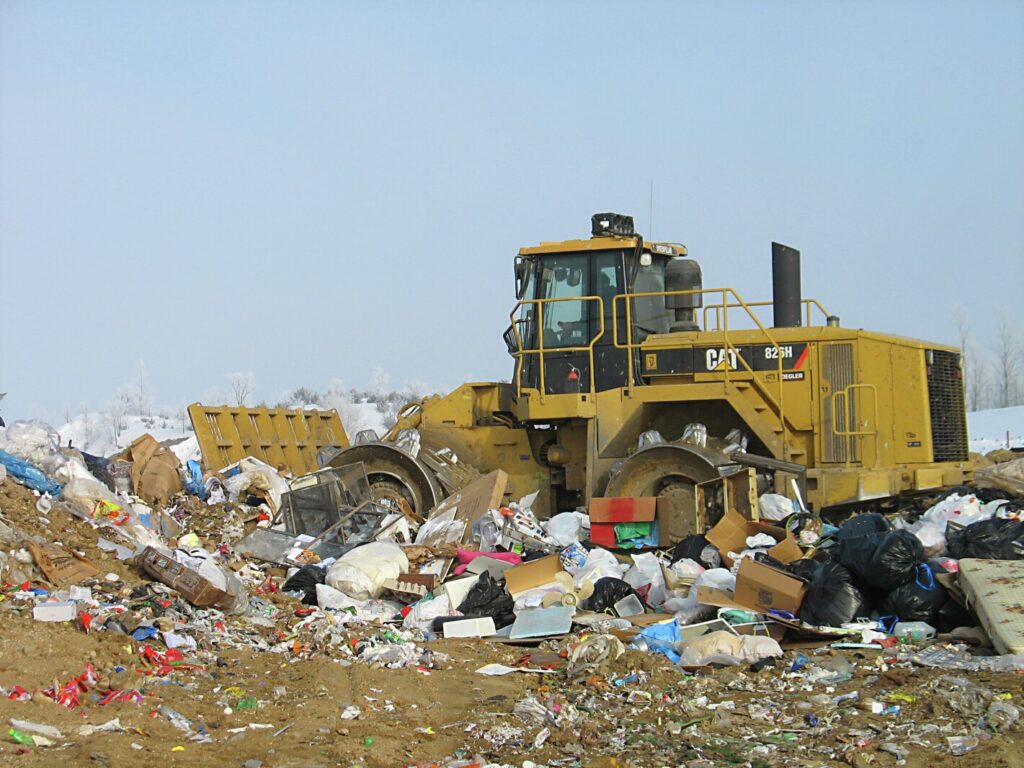
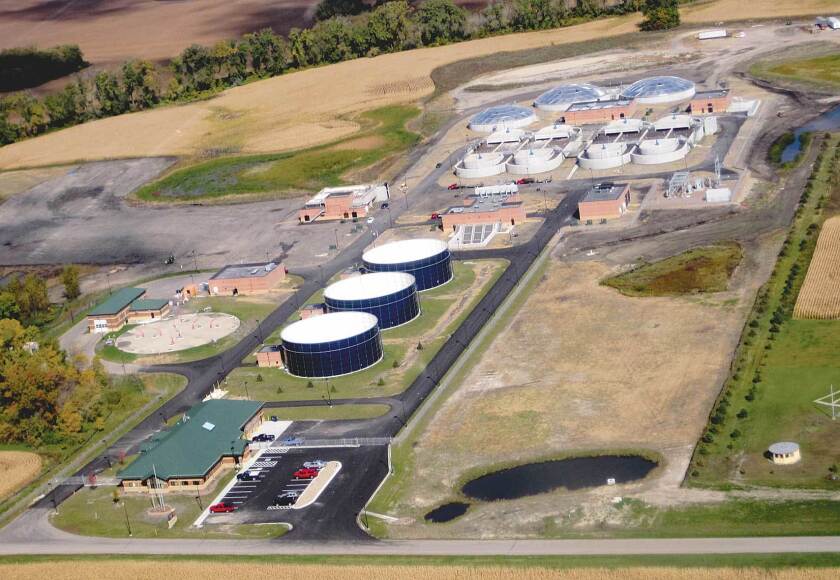
— A pilot project at the Willmar Wastewater Treatment Facility during the summer proved a technology capable of reducing “forever chemicals” found in landfill leachate to levels meeting current drinking water standards.
During a three-week period, leachate collected from the
,
and Cottonwood counties’ landfills was treated using technology from Enspired Solutions of Lansing, Michigan.
“The results were a game changer,” Sara Sietsema, environmental specialist with the city of Willmar, told attendees at the Hawk Creek Watershed Project’s annual meeting on Feb. 27 in Renville.

Tom Cherveny / West Central Tribune
Referred to as “forever chemicals,” perfluoroalkyl and polyfluoroalkyl substances are human-made chemicals that persist in the environment. Commonly called PFAS, the substances are used in products ranging from non-stick cooking utensils and firefighting foam to carpeting.
There are thousands of different PFAS. Certain types of cancers, thyroid and liver issues, and immune system deficiencies can be caused by or exacerbated by exposure to higher levels of PFAS, according to Sietsema.
The Willmar Wastewater Treatment Facility regularly treats leachate from landfills, but it and other wastewater facilities do not have equipment designed to remove PFAS.
The technology used for the pilot project used a foam fractionation process to remove more than 90% of the most concerning, long-chained PFAS, according to Sietsema. For every 800 gallons of the liquid leachate treated, one gallon laden with PFAS remained.
Technology that used ultraviolet light and a catalyst that broke down the chlorine-fluoride bonds of the PFAS effectively destroyed nearly all of the chemicals in the remaining liquid, leaving water, fluoride and some simple carbon compounds not harmful to anyone, said Sietsema.
Contributed / City of Willmar
The results showed the technology was capable of reducing PFAS to less than 4 parts per trillion, which is the current Environmental Protection Agency drinking water guideline for the PFAS of most concern.
The technology is available for large-scale operations, but it would be costly to retrofit the Willmar facility to treat PFAS with it. The equipment would cost an estimated $2.8 million delivered, but not assembled. Operations and maintenance would cost an estimated $80,000 to $100,000 a year, according to the presentation.
Like all municipal wastewater plants, the Willmar plant receives wastes that contain PFAS from residences and businesses. Sietsema said the discharge from the Willmar plant to Hawk Creek has “very low or undetectable levels” of PFAS.
The plant also tests the biosolids that result from the treatment process for PFAS. The biosolids are applied on agricultural lands as fertilizer. They are tested before they can be applied to make certain that the PFAS fall below certain threshold levels.
During questioning from audience members, Sietsema said she did not believe the city of Willmar is likely to put a possible $5 million debt on taxpayers for the cost of retrofitting the wastewater plant to remove PFAS from the landfill leachate it treats.