

12
Mar 2026
Starting in 2026, ETIAS will become a required travel authorization for visa-exempt visitors entering many European countries in the European Union (EU).
The application process includes automated screening in the application form, including public health checks to detect epidemic risks.
Understanding these checks helps travelers avoid delays, refusals, or additional review before departure.
ETIAS and Public Health Risk Checks
Public health risk checks in the European Travel Information and Authorization System (ETIAS) are part of the screening that takes place when you submit an ETIAS application.
These checks help authorities identify travelers who could pose a high epidemic risk before they enter European countries.
Purpose of Health-Related Screening in ETIAS
Health-related screening helps authorities review travelers from visa-exempt countries before they reach the Schengen Area. The goal is to detect possible epidemic risks while keeping the travel process fast for most visitors.
You complete the ETIAS application online through the official ETIAS website and submit basic personal and travel details. The system evaluates this information automatically once you send the form.
The program applies to nationals from many visa-exempt countries, including Australia, who travel for short-term visits. These visits normally allow stays of up to 90 days within any 180-day period.
The system does not collect detailed medical records. It checks risk indicators that may relate to public health alerts or epidemic concerns connected to international travel.
How Public Health Checks Fit into the ETIAS Authorization Process
When you submit the ETIAS application form, the system starts automated checks that analyze the information you provided. The review compares data with risk indicators used by European authorities.
The system is managed with oversight from the European Commission and border authorities in participating countries. These checks support the same border policies used across the Schengen Area.
Most applications receive approval quickly after the automated checks are complete. A smaller number may move to manual review if the system detects a possible concern.
Travelers usually interact with the system only once during the application process. After approval, the authorization stays valid for multiple trips as long as the passport remains valid.
The ETIAS application requires a small application fee for most adults. Some family members of EU citizens are exempt from the fee.
ETIAS applies to travel across most Schengen countries and several other participating states. Cyprus participates in the ETIAS system even though it is not currently part of the Schengen Area.

Health-Related Information to Declare
Health-related declarations in the ETIAS process come from the personal information you submit in the application form. The system uses these answers to help determine whether you meet the entry requirements for travel to EU countries.
Personal Information Included in the ETIAS Application
You must provide basic personal data when completing the ETIAS application. This information confirms your identity and travel eligibility.
The form asks for passport details, including the document number, issue date, and expiration date. Your passport must be valid and typically issued with biometric features that meet international travel standards.
You will also enter standard identity information. These details include your full name, date of birth, place of birth, nationality, and contact information.
The form requests several background details that help verify your identity and travel history. These fields include your home address, your current occupation, and other basic personal data.
Questions that Help Identify Potential Epidemic Risks
The ETIAS form contains declarations that help authorities assess possible travel risks. These questions focus on factors that could affect border entry decisions.
You may be asked about past travel patterns and whether authorities have ordered you to leave a country in the past. These answers help confirm compliance with entry requirements in EU countries.
Some questions relate to previous travel in areas experiencing conflict or instability. Authorities may review these responses as part of a broader screening process.
The data you provide may also be checked against systems used for border management. One example is the Entry/Exit System (EES), which records entries and exits of non-EU travelers.
Travel authorization systems in other regions use similar questions. The United States ESTA program also requires declarations that help authorities review travelers before departure.
Why Accurate Information is Essential for ETIAS Approval
Accurate answers are necessary when completing the ETIAS application. Incorrect information may lead to refusal or later problems during border checks.
The system compares the data you enter with official records. Authorities review the information before allowing travel to destinations including France and Italy.
Travelers from visa-exempt countries such as Canada must follow the same rules. Incorrect passport details or incomplete declarations can prevent approval.
Check your information carefully before submitting the form. This includes verifying passport details and confirming that all answers match official records.
Some travelers may qualify for exemptions under EU travel rules. Separate arrangements may apply to certain residents or to travel between EU countries and Ireland.
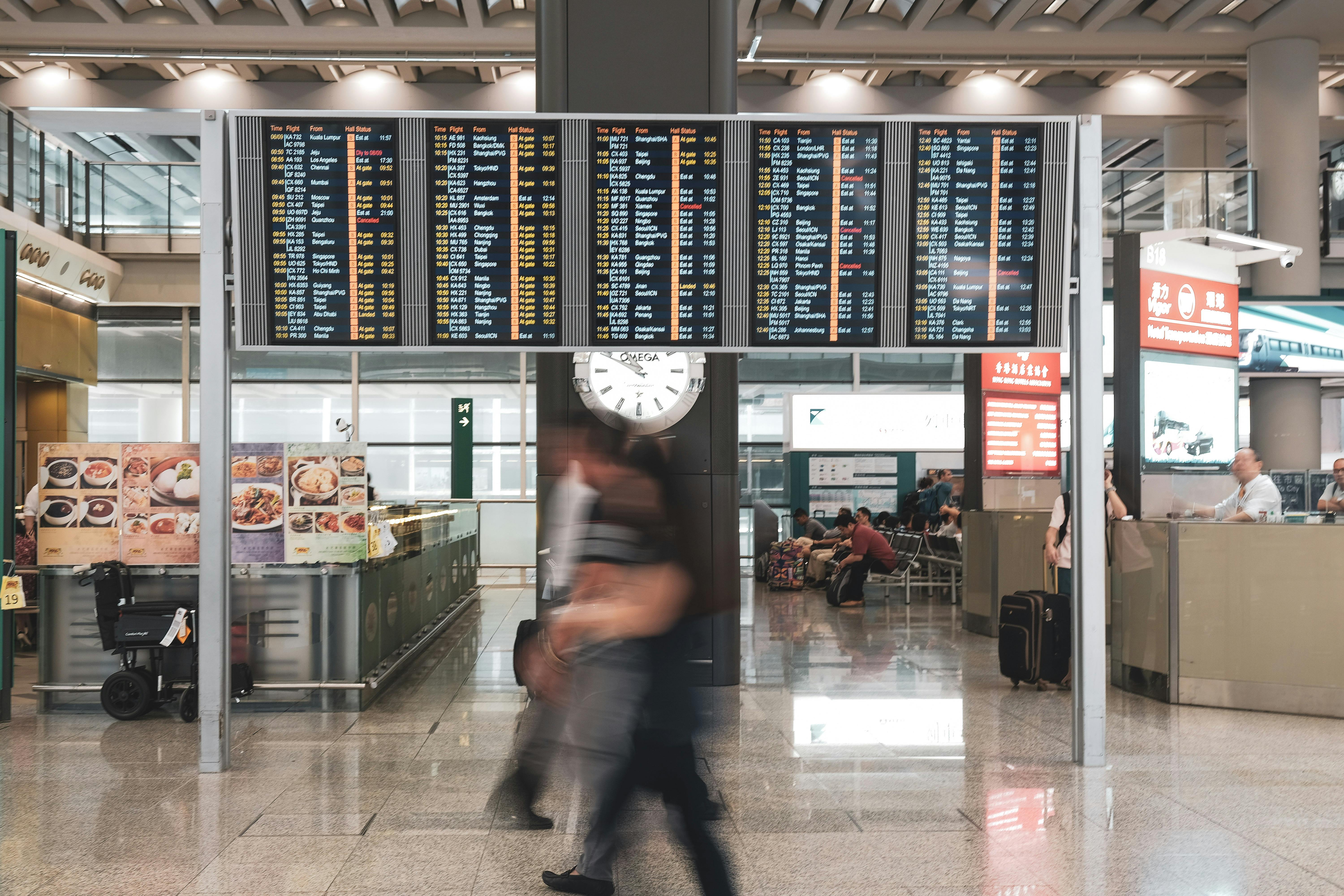
How ETIAS Authorities Evaluate Public Health Risks
ETIAS authorities evaluate public health risks through automated screening and follow-up review during the ETIAS application process. These checks help determine whether visa-exempt travelers meet entry conditions before they arrive at European border control points.
Automated Screening and Database Checks
Once you submit the form through the official platform or mobile app, the ETIAS application process begins with automated screening. The system analyzes the data linked to your travel document and identity details.
The system checks the information against multiple EU security and border management databases. These checks help authorities identify indicators linked to immigration, security, or public health risks.
The screening also reviews details connected to your travel plans. Information you provide in the application helps determine whether the trip fits standard entry conditions.
Most applications are processed automatically within minutes. The automated system handles large volumes of applications submitted by visa-exempt travelers.
When an Application May be Flagged for Additional Review
Some applications are flagged when the automated system detects a risk indicator. This step does not mean your application will be refused.
The application may be sent to national authorities in EU member states for manual review. Officials evaluate the data to confirm whether the concern is valid.
Authorities may check supporting information linked to immigration status. A residence permit issued by an EU country may affect how your case is assessed.
Applications can also be reviewed if certain details appear inconsistent. The goal is to confirm the accuracy of the information before a decision is issued.
Possible Outcomes After a Public Health Risk Assessment
Authorities reach a decision after the automated checks and any manual review are complete. The system usually approves applications without additional steps.
Some travelers may receive a request for extra information. The request may appear in the account linked to your application or through the contact details you provided.
A small number of applications may be refused if authorities determine that entry conditions are not met. Border guards still verify your documents when you arrive at a border control checkpoint.
ETIAS approval allows you to travel to participating countries, but does not guarantee entry. Border guards review your travel document and confirm the information during the final inspection.
The official ETIAS website and its FAQs provide updates about application decisions and procedures. Travelers should apply early to avoid last-minute problems that could affect their trip.

Situations that Could Raise Public Health Concerns in ETIAS Screening
Certain situations may cause an ETIAS application to receive closer review during screening. These cases often relate to travel patterns, alerts in international systems, or temporary health measures affecting visa-free travel.
Travel Patterns Associated with Epidemic Risk Areas
Your travel history can affect how authorities review the new ETIAS authorization. The system may analyze destinations and timing linked to areas experiencing public health alerts.
Authorities review travel patterns connected to recent international movement. Trips involving multiple regions in a short period may receive additional scrutiny.
You provide this information during the online application. The system links your travel details with your passport number and other identity data.
Many travelers visit several countries during short-term stays in Europe. These movements are common and usually do not affect authorization.
Travelers from visa-free countries, including the United Kingdom, follow the same application rules. Their travel records may still be reviewed as part of routine screening.
Alerts Linked to International Health Monitoring Systems
ETIAS screening can interact with international systems that track health risks. Authorities use these alerts to monitor cross-border travel patterns.
These systems help identify travelers linked to regions facing significant health concerns. The review focuses on travel history and other background information.
Authorities may also review records connected to immigration or law enforcement databases. Declarations involving criminal convictions may trigger additional checks during screening.
Many visa-free travelers from countries such as Norway apply under the same screening rules. The system treats each application using the same risk indicators.
Temporary Health-Related Travel Measures
Public health emergencies can lead governments to adjust entry policies. ETIAS screening may reflect temporary rules linked to epidemic situations.
Authorities may introduce measures affecting travelers arriving from specific locations. These measures may apply to popular destinations such as Spain.
These situations may influence travel authorizations for visitors planning short-term stays. Authorities may review additional details before approving entry.
Travel rules can also change during large health events that affect international mobility. Travelers who usually require a Schengen visa follow different procedures than those applying through ETIAS.

How to Prepare for ETIAS Public Health Screening
You can prepare for the ETIAS public health screening by reviewing your travel details and submitting accurate information during the application. Careful preparation helps reduce delays and supports a smooth ETIAS travel authorization review before you arrive in Europe.
1. Review Travel History and Personal Information Before Applying
Start by checking your personal details before submitting your application. Accurate identity information helps authorities process your ETIAS travel authorization without unnecessary verification steps.
Look at your recent travel history and confirm the dates and destinations you plan to enter. This information helps officials understand the purpose and duration of your trip in the Schengen Zone.
Check the basic details you will provide in the form. These usually include your name, passport information, and intended travel schedule.
A quick review of your information helps prevent mistakes that may slow the application. The goal is to ensure the data you submit matches official documents.
2. Apply Well in Advance of Travel
Submit your application before you finalize flights or accommodation. Early submission gives authorities time to review your ETIAS travel authorization without time pressure.
Most applications are processed quickly, yet some may require additional checks. Applying early reduces the risk of travel disruption close to your departure date.
Travelers planning visits to destinations in the Schengen Zone should consider processing time when scheduling trips. This applies whether you plan to visit countries like Switzerland or Iceland.
Early preparation also helps if authorities request additional information. You have time to respond without affecting your departure plans.
3. Stay Informed About Current EU Travel Health Requirements
Travel policies can change when health conditions affect international travel. Checking official travel updates helps you prepare before departure.
Authorities may introduce health guidance or documentation requirements for visitors entering the Schengen Zone. Travelers should confirm these updates before their trip.
You may also want to review practical travel preparations. This can include checking whether travel insurance covers health-related incidents during your stay.
EU nationals follow different entry rules than visitors applying for ETIAS. Understanding these distinctions helps you prepare the correct documents before traveling.
Stay Prepared for ETIAS Public Health Screening
ETIAS public health risk checks help authorities evaluate visa-exempt travelers before they enter Europe. Most applicants receive approval quickly, though some ETIAS applications may need additional review if a risk indicator appears.
To avoid delays, provide accurate information, apply early, and stay informed about current travel requirements. Taking these steps can help ensure a smooth ETIAS application process and a stress-free trip to Europe.