
Published on
March 12, 2026
Image generated with Ai
Namibia is set to join other top tourism markets like Canada, Brazil, Vietnam, and Lithuania in welcoming a surge of international visitors in 2026. The country is preparing for this influx by focusing on sustainable development, enhancing its infrastructure, and launching cultural campaigns to showcase its rich heritage. These efforts are aimed at not only boosting tourism but also ensuring that the growth is environmentally responsible and beneficial to local communities. As the global travel landscape evolves, Namibia is positioning itself as a leading destination by combining growth with sustainability and cultural richness.
As some of the world’s most popular destinations struggle with overcrowding and implement various restrictions to manage tourists, several countries are taking a different approach in 2026 by actively encouraging more visitors.
While many European cities are considering visitor caps, cruise ship bans, and tourism surcharges, countries across Africa, South America, and Asia are expanding their airport capacities, easing visa requirements, and promoting international tourism campaigns. These nations are focused on responsibly managing tourism growth to avoid the pitfalls of overtourism.
Tourism remains a major contributor to the global economy. According to the World Travel and Tourism Council, the sector contributed nearly $12 trillion to the global economy in 2025, accounting for 10% of global GDP and one in three new jobs created worldwide. The push for more tourists reflects the importance of the sector in generating revenue and creating employment opportunities, especially in developing regions.
Countries encouraging tourism are focused on avoiding the negative impacts of unchecked growth. Investments are being funneled into sustainable infrastructure, slow-travel initiatives, and community-based tourism to ensure that growth is carefully managed. In several destinations, the renewed focus on responsible tourism expansion is reshaping how the industry develops.
Namibia
Namibia, known for its remote wilderness and vast deserts, is focusing on sustainable tourism growth. The country has been increasing its investment in tourism infrastructure while ensuring that its natural environment remains protected. Over N$136 million has been invested in improving roads in Etosha and Namib-Naukluft national parks since 2019. The Namibia Tourism Board has launched campaigns targeting travelers from Asia, the Middle East, and North America.
Advertisement
Advertisement
Wildlife viewing is one of Namibia’s key attractions. Etosha National Park, home to four of Africa’s Big Five, is considered one of the continent’s premier safari destinations. Additionally, Namibia has gained recognition for its conservation-focused tourism. Over 80 communal conservancies cover around 20% of the country’s land, often cited as one of Africa’s most successful models of community-led wildlife management.
Brazil
Brazil has seen rapid growth in international tourism, welcoming more than nine million visitors in 2025. While this is significant, it is still modest compared to other countries. For instance, France, with its smaller size, attracts over 100 million visitors annually. Brazil’s officials see enormous growth potential but remain cautious of overtourism, especially in its largest cities.
Advertisement
Advertisement
Brazil’s vast territory helps to distribute tourists more evenly, with less pressure on central regions. For example, in the central-west region of Mato Grosso do Sul, overtourism is rarely an issue. The town of Bonito, famous for its natural beauty, operates a strict visitor control system to manage tourist numbers.
Looking ahead, Brazil is preparing for the 2027 FIFA Women’s World Cup, which is expected to stimulate investments in transport infrastructure and accommodations across the country, boosting its tourism sector further.
Vietnam
Vietnam continues to see growth in international tourism, with a record 21 million visitors in 2025, marking a 20% increase over previous years. This surge is attributed to the country’s expanded visa exemptions for travelers from several European countries, including the UK, Germany, and France. As a result, European arrivals increased by nearly 39%.
Vietnam is also investing heavily in infrastructure. Long Thanh International Airport, located outside Ho Chi Minh City, is set to begin full commercial operations in mid-2026. The first phase of the airport will handle up to 25 million passengers annually, relieving pressure on the crowded Tan Son Nhat Airport. Despite the increase in visitors, much of Vietnam remains relatively undiscovered, offering unique opportunities for slower, more immersive travel.
Lithuania
Lithuania is focused on growing its tourism sector in a sustainable and measured way. In 2024, the country adopted its first national Tourism Roadmap, aiming to double the tourism sector’s contribution to the economy by 2030. International arrivals in Lithuania grew by 4.4% in 2025, and the country’s airports recorded their highest passenger numbers on record.
Lithuania’s natural beauty, including its forests, lakes, and cultural heritage, has attracted increasing interest from travelers. Vilnius, the capital, was named the European Green Capital for 2025, largely due to its commitment to green spaces and sustainable urban mobility. The city has also become a hub for food tourism, with several Michelin-starred restaurants and a thriving culinary movement centered around “New Baltic Cuisine.”
Canada
Canada, which once ranked among the top ten destinations in the World Economic Forum’s Travel and Tourism Development Index, has recently dropped to 13th place. In response, the Canadian government launched the “A World of Opportunity” tourism strategy in 2024, aiming to place Canada back among the top seven global destinations by 2030.
Tourism already supports more than two million jobs in Canada, particularly in rural and remote communities. The country’s vast geography promotes slow, immersive travel experiences. Canada is also focusing on Indigenous tourism, with over 400 businesses related to Indigenous culture, including art galleries, cultural centers, and wildlife tours such as paddling trips.
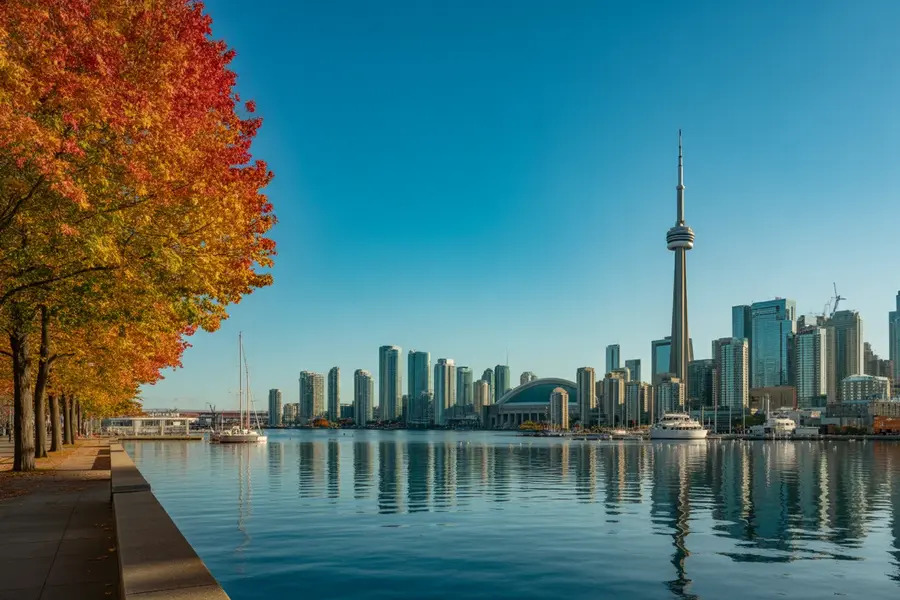
Canada’s tourism industry is expected to get a significant boost in 2026, when the country co-hosts the FIFA World Cup, with matches scheduled in Toronto and Vancouver. This event is expected to drive investment in infrastructure and tourism development across the nation.
Namibia is preparing for a surge of international visitors in 2026, joining countries like Canada, Brazil, Vietnam, and Lithuania by focusing on sustainable development, improved infrastructure, and cultural campaigns to attract and accommodate travelers responsibly.
In contrast to the restrictive measures being implemented by overcrowded destinations, countries like Namibia, Brazil, Vietnam, Lithuania, and Canada are taking proactive steps to encourage more responsible tourism growth. Through investments in infrastructure, sustainable tourism practices, and targeted campaigns, these nations are positioning themselves as attractive destinations for the growing number of travelers seeking unique, immersive, and less-crowded experiences.
