
EU governments do not face ‘immediate concerns’ about their supplies of oil and gas, officials said Thursday amid growing fears about low supply and spiking prices.
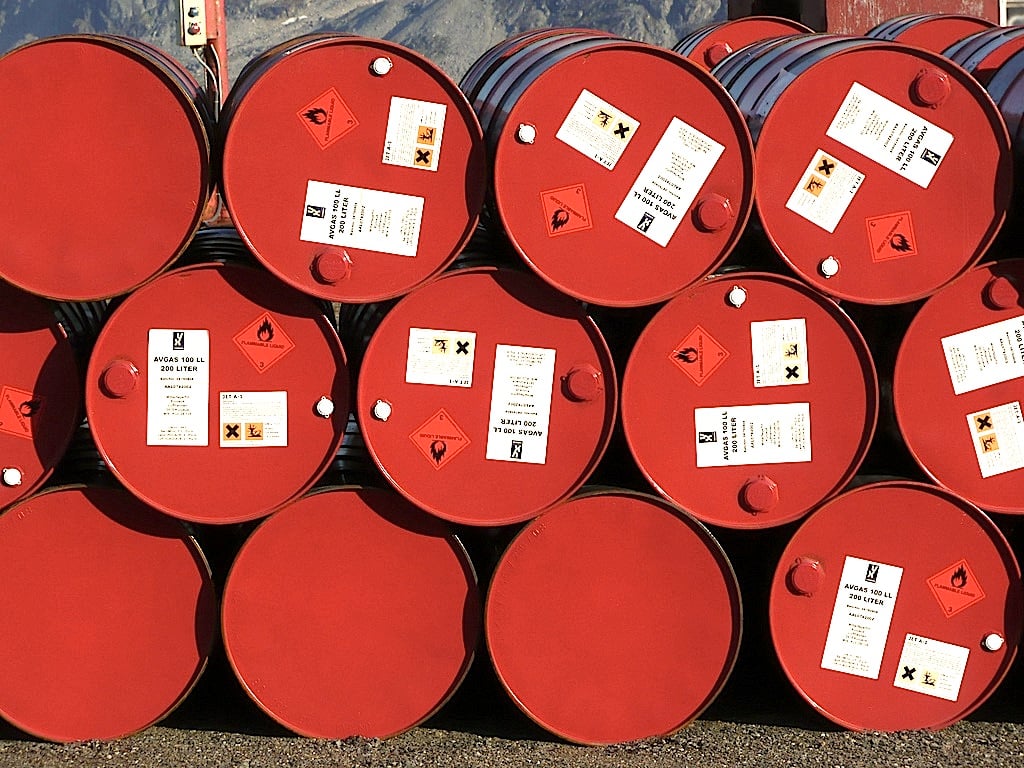
The ongoing war in the Middle East prompted the IEA to offer access to its reserves on Wednesday, amid growing concerns about disruption to oil supplies and prices. The volumes on offer are more than double the 182.7m barrels that the IEA’s 32 member countries released in 2022 in response to Russia’s full-scale invasion of Ukraine.
An EU Commission spokesperson said that EU ministers recognised the IEA offer was “a collective voluntary action based on their national circumstances”.
She added that governments across the bloc will have until 6pm today to decide on whether to take advantage of the International Energy Agency’s decision to make 400 million barrels of oil available from its members’ emergency reserves.
21 of the IEA’s 32 member countries are in the EU, and Germany, France and Austria have said that they will contribute more than 35m barrels of their own reserves.
The commission spokesperson also told reporters that “no immediate security of supply concerns emerged” from meetings of the bloc’s oil and gas coordination bodies on Thursday morning (12 March).
She added that EU officials would “keep a very close eye on the situation in the event of prolonged disruption.”
On gas supply, meanwhile, the commission spokesperson said that although concerns were raised about rising gas prices, there were no immediate concerns on short-term gas supply. She added that underground storage levels of gas reserves across Europe currently stood at about 30 percent
The next meetings of the IEA on oil and gas supplies are due to take place on 25 and 26 March.
“This is a major action aiming to alleviate the immediate impacts of the disruption in markets,” said Fatih Birol, executive director of the IEA, on the Wednesday decision. “But, to be clear, the most important thing for a return to stable flows of oil and gas is the resumption of transit through the Strait of Hormuz.”
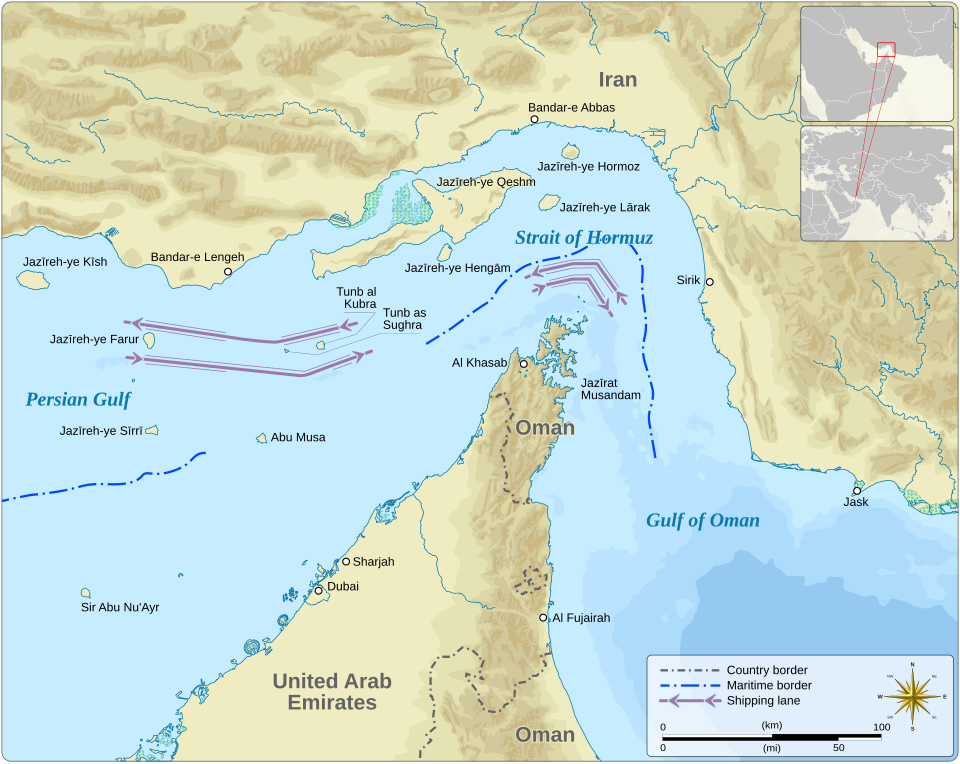 About 20 percent of the world’s oil usually passes through the Strait of Hormuz (Source: Goran_tek-en/Wikimedia)
The price of Brent Crude briefly hit $100 (€87) per barrel on Thursday before falling slightly, well up from the $73 (€63) per barrel price on 28 February, the first day of airstrikes against Iran by the United States and Israel.
Qatar’s energy minister Saad al-Kaabi has warned that all oil and gas exporters in the Gulf will be forced to stop production within days and many market experts say the disruption could be bigger than the Covid-19 pandemic in 2020.
So far, oil supply from the Gulf region is estimated to have dropped by around 20 million barrels a day. The IEA says that export volumes of crude and refined products are currently at less than 10 percent of prewar levels.
Kaabi has warned that oil could hit $150 (€130) per barrel if the United States/Israeli war on Iran continues for another month, while a spokesperson for the Iranian military, the Islamic Revolutionary Guard, has forecast prices hitting $200 (€174.