
 Ritratt: Erika Lanzafame
Tista’ taqra bil-
Malti.
Rising fuel costs and disruptions to key global shipping routes caused by the war in the Middle East are expected to drive higher prices for goods and services in Malta, business leaders have warned.
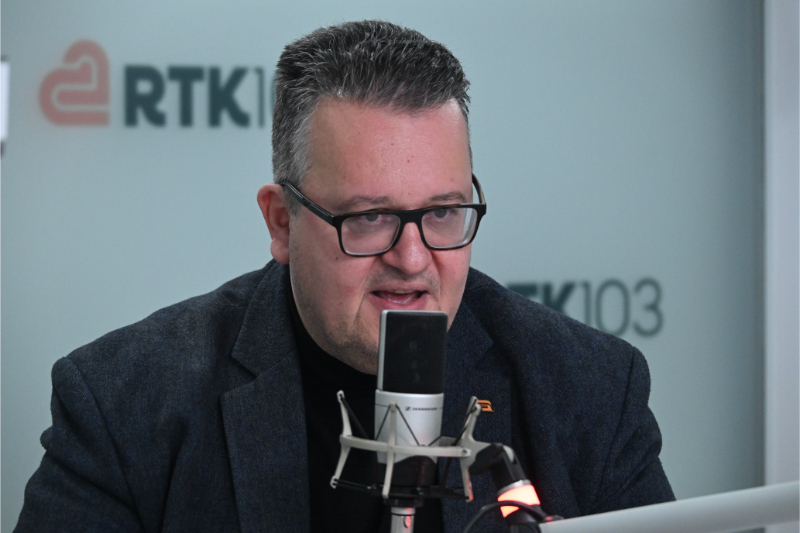
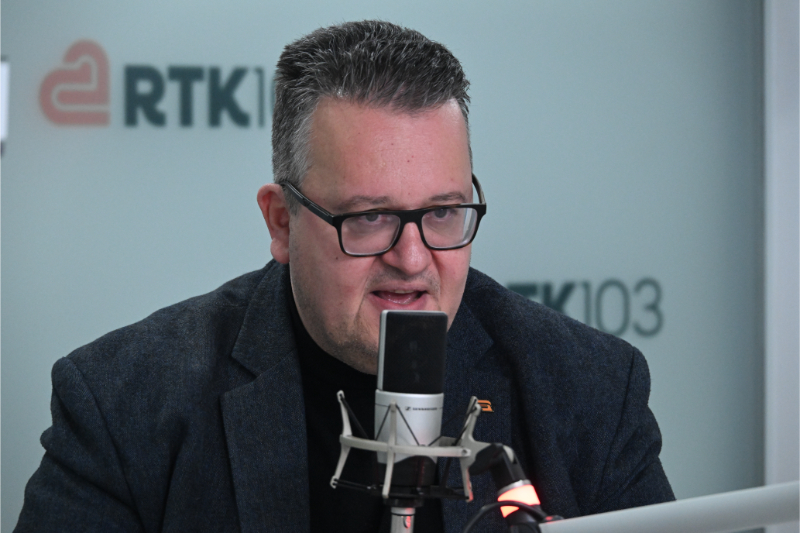
Speaking on RTK103’s Attwalità, Silvan Mifsud, Vice President of the Malta Chamber of Commerce, Enterprise and Industry, and Philip Fenech, Deputy President of the Malta Chamber of SMEs, said Maltese businesses are likely to feel the impact primarily through higher transport costs and inflation.
The discussion focused on how the escalating conflict involving Iran is affecting international logistics and energy markets, which in turn influence Malta’s import-dependent economy.
Shipping disruptions and rising transport costs
Mifsud noted that tensions around major maritime chokepoints, including the Strait of Hormuz, the Suez Canal, and routes through the Red Sea, are already creating uncertainty for global trade.
“These routes are crucial for international shipping,” he said, adding that although Malta is unlikely to face shortages of goods, price increases are almost inevitable.
“Scarcity is unlikely, but prices will rise,” he said, noting that higher shipping costs and insurance premiums are already feeding into the supply chain.
 Ritratt: Erika Lanzafame
According to Mifsud, how long these pressures persist will depend largely on how long the conflict continues.
Logistics operators already feeling the pressure
Joining the programme by telephone, David Fleri Soler, Chief Operating Officer of logistics company Express Trailers, said the war has already driven sharp increases in fuel prices across Europe.
Diesel prices have risen by around €0.30 to €0.40 per litre, he said, significantly increasing operating costs for freight companies.
A typical long-haul truck carries roughly 1,000 litres of diesel, meaning each refuelling now costs around €350 more than before the conflict.
Fleri Soler also warned that shipping costs are likely to increase further in the coming days through higher bunkering charges, known in the industry as the Bunker Adjustment Factor (BAF).
Industry estimates suggest that these additional costs could affect between 10% and 20% of regional trade, he said, with the added expenses applying to both imports and exports.
“For example, a shipment from Genoa to Malta will carry additional fuel-related charges,” he said.
Tourism stable for now but inflation could bite
While the logistics sector is already seeing cost increases, the tourism industry has not yet experienced a major impact.
Philip Fenech said current data shows no significant drop in tourism bookings, and in some cases even a slight increase.
However, he cautioned that the situation remains fluid and could change quickly if the conflict escalates.
 Ritratt: Erika Lanzafame
He cited a recent example of a hotel that lost a conference booking from the Middle East because participants were unable to travel due to the war.
More broadly, Fenech warned that inflation triggered by higher transport and energy costs could eventually affect the tourism sector.
“If the price of food, accommodation and services rises, that could discourage some visitors from coming,” he said.
Businesses cannot absorb rising costs indefinitely
Mifsud also warned that Maltese businesses cannot indefinitely absorb the additional costs caused by rising fuel prices and transport disruptions.
Asked how long businesses can endure these pressures, he said the answer ultimately depends on the duration of the conflict.
“The short answer is no — businesses cannot absorb all these costs,” he said. “How long they can endure depends entirely on how long the war drags on.”
For now, business representatives say Malta’s supply chains remain stable, but if the conflict continues, higher prices for consumers appear unavoidable.

