
FARGO — North Dakota Health and Human Services employees who have worked remotely since the coronavirus pandemic will gradually return to the office over the next year, the department’s head said.
The state agency informed staff in a March 5 email about a “phased return-to-office” plan, starting with employees who live in the Bismarck-Mandan area. Implementation of the plan is expected to happen through 2026 and beyond, the email said.
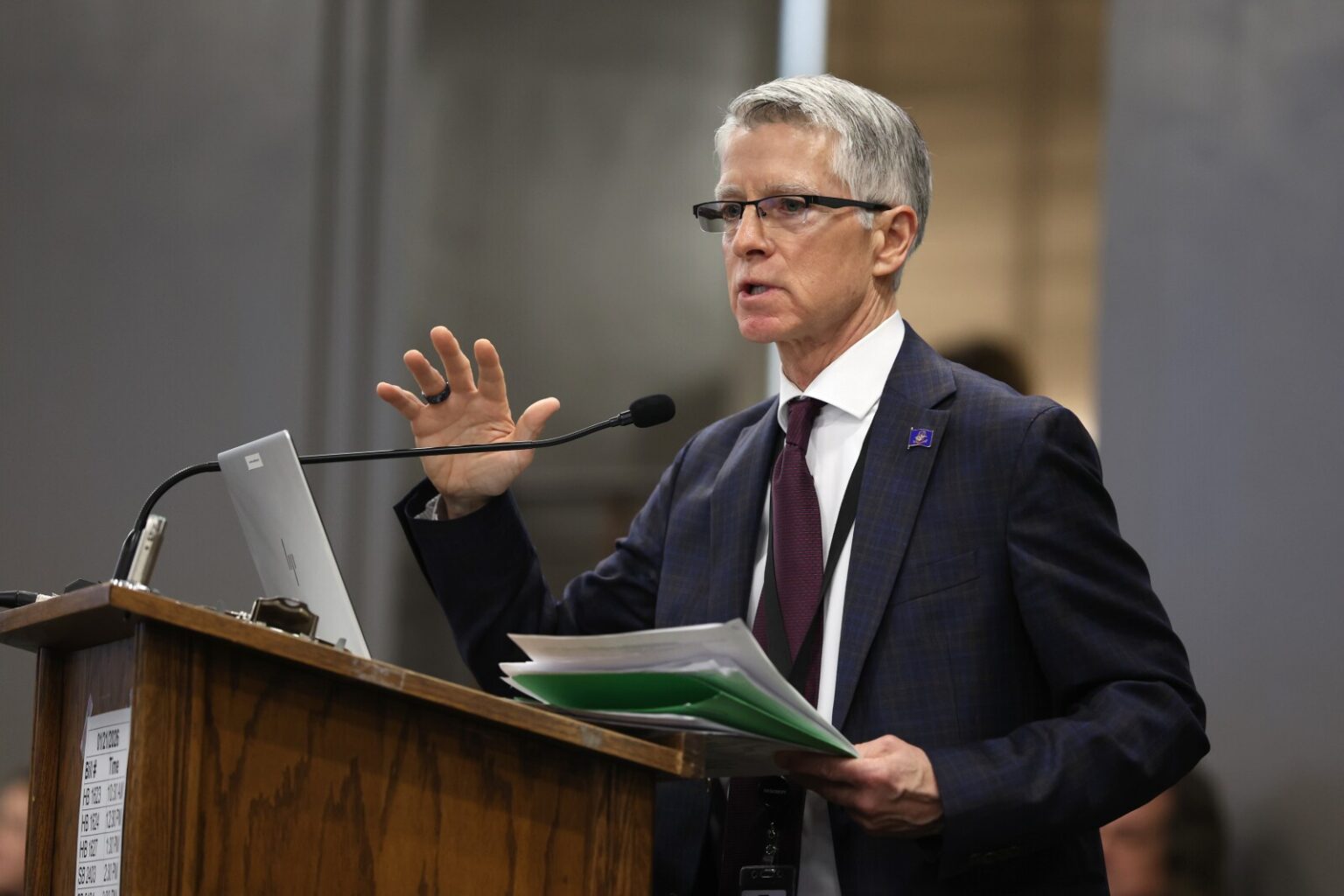
The transition is part of an effort to develop coworker connections and improve work culture, interim HHS Commissioner Pat Traynor told The Forum on Tuesday, March 10.
“We want people shining at their highest level, and we think that takes face-to-face togetherness and presence beyond a screen,” he said.
Like many government agencies and private sector businesses, HHS allowed employees to work remotely for several years as a way to prevent the spread of COVID-19, a virus that turned into a worldwide pandemic in 2020 and killed millions worldwide.
At one point, North Dakota reported the most coronavirus cases and related deaths per capita in the country.
As vaccines and treatments improved, the number of COVID cases and deaths fell dramatically in 2023 and beyond in the U.S., according to the Centers for Disease Control and Prevention.
HHS employs more than 2,800 employees across North Dakota, according to its website. Traynor estimated less than 1,000 are working remotely.
His agency is evaluating its office space and leasing agreements, he said. HHS has roughly 70 offices, and about 400,000 square feet of that office space is leased by the state, Traynor said.
The agency said it owns about a million square feet of office space.
Traynor said he believes HHS is one of the last North Dakota government agencies to begin the transition from remote to office work.
North Dakota Department of Transportation employees who live within 30 miles of the DOT headquarters or a district office were required to work in office at least one day a week beginning Sept. 2, DOT spokesman David Finley said. That will expand to three days a week starting Jan. 2, he said
“Team members worked with their supervisors to select a permanent work arrangement that supports both their role and team needs,” Finley said. “Overall, it has gone well. Our team members still have multiple options and flexibility in how they work, depending on their position and responsibilities.”
HHS wanted to give employees a lot of prior notice before the transition, Traynor said in acknowledging it may come as a surprise to some.
HHS plans to have discussions with staff about the transition from remote to office work over the next year or so, he said. The agency will make exceptions for individual circumstances, including for individuals who work out of state for the North Dakota HHS or special accommodations, Traynor said.
“We haven’t made any edict you have to come back to the office tomorrow,” Traynor said, adding the agency wants to take a “thoughtful and deliberate approach” and have individual discussions about the transition.
HHS wants flexible schedules for its employees and strives to provide a family-friendly work culture, Traynor said. It’s important to have work life separate from family life, he said.
“We want people to make sure they’re having great family and friend time,” he said. “Sometimes, that blurring of the line isn’t always healthy.”