
One of the most persistent dystopian futurist tropes is that AI & robotics tech will be controlled by the 1%, and the rest of us will be serfs living in a hellscape. I'm not surprised the idea is so popular; it's a Sci-Fi mainstay, but I am surprised so many people can't see that it's very unlikely to be true.
Free Open-Source AI is the equal of the stuff investors have spent 100's of billions of dollars on & robotics is not far behind. Furthermore, we know we have two future sources of cheap, widely available robotics – Chinese manufacturing & 3-D printing.
It's not as dramatic storytelling for Sci-Fi, but future robots are likely to be cheap and widely owned by everyone. So will the economic benefits that stem from that.
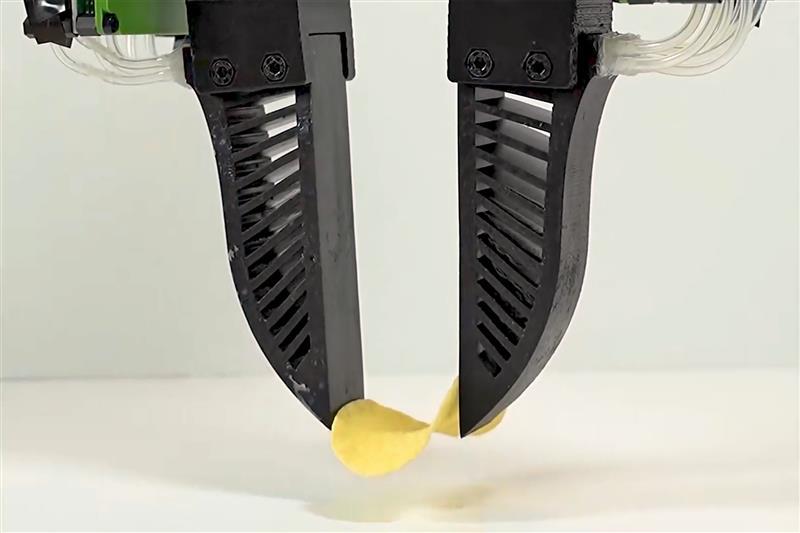
Another indication that the future of robotics will be cheap, open-source, and ubiquitous – a student in Texas has developed a 3-D printed robotic hand delicate enough to handle raspberries and potato chips without damaging them.
byu/lughnasadh inFuturology
7 Comments
This is fantastic news! Open-source robotics like this 3D printed hand are accelerating fast, matching big corp investments without the billions. Paired with free AI, ubiquity is inevitable.
They’ll never let you have anything for free.
They’ll make 3D printers unaffordable. They’ll make the resin unaffordable.
They change the rules when they don’t win.
ngl the combination of open-source tools and cheaper manufacturing could really accelerate robotics adoption. once the hardware becomes affordable and easy to replicate, innovation tends to move a lot faster. tbh projects like this are a good reminder that breakthroughs don’t always come from big labs, sometimes it’s students or small teams experimenting.
There’s been an organization that provides cheap/free 3D printed hands and arms for over 10 years now called e-NABLE.
If people are genuinely interested in helping people instead of “in 10 years maybe”, I recommend hooking up with them or one of the local organizations doing the same in their area.
A lot of people on this sub really need to take their meds
Oh but the rich smth future is all doomed smth there’s no use! smth
The article does not give a single word implying this technology would be low cost. 3D printing is *not* cheap and is practically inaccessible to lower classes.