
Published on
March 14, 2026
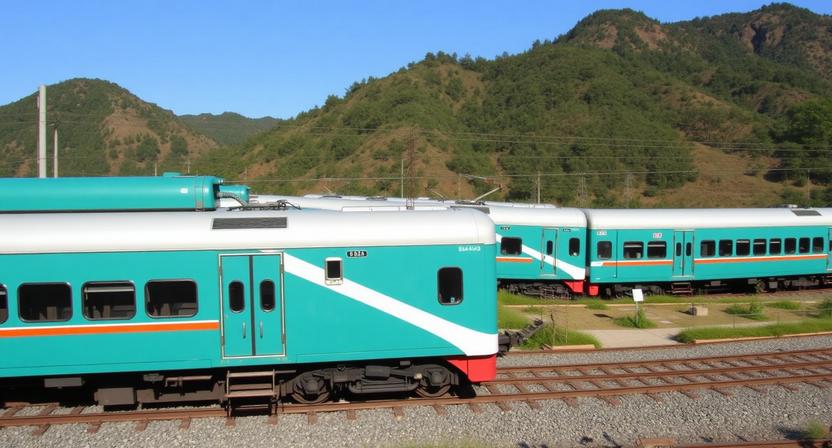
Image generated with Ai
The official reopening of rail services for passenger rail travel between North Korea and China after a six-year suspension has signaled a critical moment for rail connectivity between the two countries. The Beijing-Pyongyang rail route, which serves as a critical rail link for both countries, will resume on March 12, 2026. The tickets for the inaugural rail service are sold out, according to a ticket office in Beijing. This rail service reopening represents a critical moment for the revival of tourism and business travel between China and North Korea, which will boost both countries economic growth.
This rail service reopening will boost tourism development between the two countries. The rail service suspension between the two countries, which started in early 2020 due to the COVID-19 pandemic, severed one of the limited international rail links between North Korea and the outside world. The rail service reopening between the two countries represents a critical moment for the reopening of North Korea to the outside world.
Restoring Key Tourism Connections and Economic Growth
The Beijing–Pyongyang rail service is not just a transportation link; it is a critical conduit for tourism and economic activities. The service will help boost inbound tourism to North Korea, providing easier access for Chinese visitors to explore the country’s historical sites, natural attractions, and cultural heritage. This will support tourism development in North Korea, which has been largely isolated for years.
For China, the resumption of the service opens up opportunities for tourism exchanges with North Korea, especially for those interested in cultural tourism, adventure travel, and historical experiences. As tourism restrictions ease in North Korea, this route could serve as a gateway for Chinese tourists eager to visit Pyongyang and other North Korean destinations, further enhancing cross-border travel.
Reopening the Route: A Positive Shift for Regional Tourism Growth
The reopening of this vital rail service will also foster regional tourism growth in the Asian region. The Beijing–Pyongyang route serves as one of the only accessible travel options for tourists wishing to visit North Korea, and its resumption will make North Korean tourism more accessible to international visitors. As tourism infrastructure in North Korea gradually improves, travelers from across the world will have more opportunities to visit this historically rich and culturally distinct destination.
As regional tourism continues to grow, North Korea stands to benefit from increased tourism arrivals, especially as the Chinese and South Korean markets—two of the largest sources of international visitors—are likely to be key drivers of tourism numbers in the coming years. Additionally, this renewed connectivity between Beijing and Pyongyang will encourage travel companies to create new tour packages, guided tours, and cultural exchange programs, boosting tourism revenues and encouraging people-to-people exchanges.
Advertisement
Advertisement
A Boost for Business Travel and Regional Economic Integration
While the tourism sector is the most immediate beneficiary of this renewed connection, business travel will also see substantial growth. The Beijing–Pyongyang rail line serves as an important link for business travelers and government officials from both China and North Korea, facilitating trade, diplomatic engagements, and economic cooperation. As business ties between the two countries strengthen, the rail route will contribute to smoother business exchanges, creating a pathway for cross-border investments and the development of economic ties.
Moreover, the ease of intermodal transport, combining rail with air travel, will foster greater economic integration in Northeast Asia and contribute to the broader regional economic recovery. With this rail line in operation, tourism operators, hospitality businesses, and local economies in both countries will experience significant benefits, as the connectivity will attract international tourists and business visitors, providing a much-needed boost to local tourism infrastructure.
Advertisement
Advertisement
Gradual Reopening and the Future of Cross-Border Travel
The gradual reopening of North Korea after years of isolation due to the pandemic is a sign of regional progress. With restrictions still in place—such as the business visa requirement for travelers—North Korea is carefully managing its tourism sector to balance safety and economic reopening. In the coming months, as tourism restrictions are lifted, it is expected that North Korea will become an increasingly attractive destination for regional travelers, especially those from China and South Korea, who are seeking new, off-the-beaten-path destinations.
This rail service’s resumption signals a broader trend of cross-border engagement and reopened access in Asia, which has been reeling from the effects of the pandemic. As travel restrictions ease and border controls become more manageable, more tourist routes and cross-border connections are likely to follow, leading to a revival of regional tourism and economic partnerships.
Looking Ahead: The Long-Term Impact on Tourism and Travel in North Korea
The Beijing-Pyongyang railway’s reopening will be an important building block for the future tourism development of North Korea. The reopening of this basic rail service will probably lead to further investments in tourism infrastructure and the marketing of North Korea as a viable option for cultural tourism. With further development of tourism infrastructure, North Korea might experience an increase in tourism arrivals interested in discovering the uniqueness of its heritage, history, and nature.
In the long term, the reopening of this railway will promote cultural exchange, tourism development, and economic cooperation, thus making it an important link for tourism and cultural exchange between China and North Korea.
