
Published on
March 14, 2026
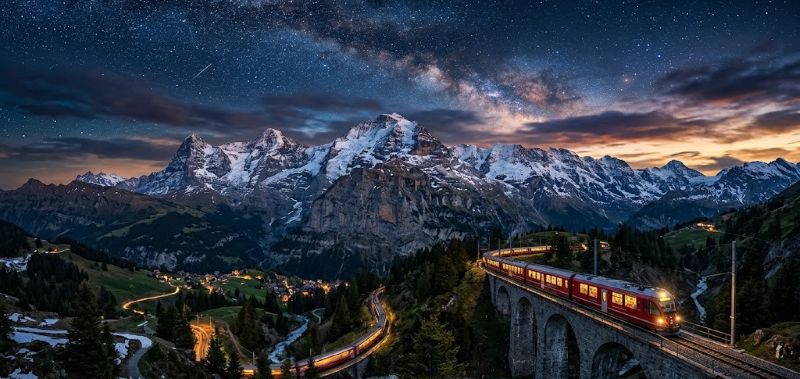
Image generated with Ai
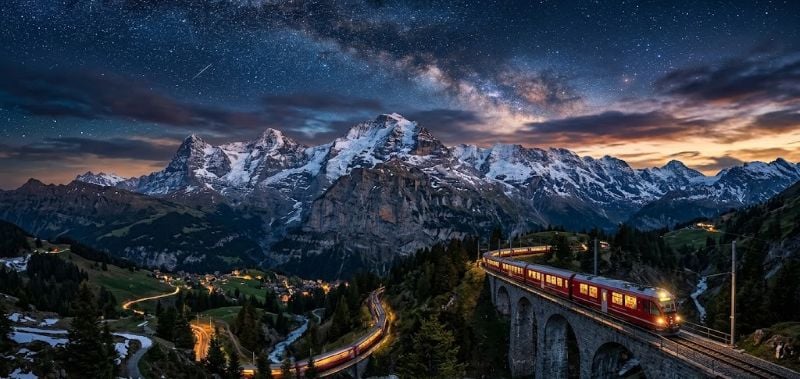
The international community is currently navigating a monumental transformation regarding how individuals explore our planet during the frost-bound months. A growing number of travelers are actively deciding to abandon the high-stress, sterile environments of modern airports. Instead, they are gravitating toward more grounded, meaningful ways to traverse the globe. These modern explorers seek out genuine, soul-stirring interactions with the wilderness and local heritage. Because of this profound desire for authenticity, The most breathtaking winter train journeys across Europe have firmly established themselves as the premier choice for those seeking refined, ecological adventures. This movement is far from a temporary fad; rather, it represents a permanent, structural shift in the global travel industry. By opting for the iron tracks, voyagers are embracing a deliberate, slower rhythm that encourages mental clarity and ethical tourism practices. These specific pathways provide an unparalleled view into the quiet, crystalline beauty of the continent’s heart. Today’s adventurers no longer care solely about the final stop on a map. Instead, they demand that the actual transit process serves as the crown jewel of their entire adventure. This significant change is currently boosting local economies across Switzerland, Scotland, Italy, France, Germany, Norway, Austria, and Romania.
The Glacier Express
Rounding out the list of premier Swiss experiences is the world-renowned voyage between Zermatt and St. Moritz. Celebrated globally as the “slowest express train,” it serves as a masterclass in the art of patience and observation. The journey requires approximately eight hours to complete, during which the carriages glide gracefully across nearly 300 bridges.
For the travel industry, The Glacier Express has set the definitive template for how to market a long-duration trip as a high-end luxury product. It has successfully turned the concept of “lost time” into a “gained experience.” This is a vital lesson for the future of tourism: if the service is impeccable and the views are spectacular enough, the traveler will never want the journey to reach its conclusion. Seeing the iconic Matterhorn and the deep Rhine Gorge through a specialized glass roof defines the pinnacle of the modern winter holiday.
Advertisement
Advertisement
The West Highland Line
In the northern reaches of Scotland, the tracks leading from Glasgow to Mallaig take passengers through some of the last remaining true wilderness areas in the United Kingdom. The most famous moment of this transit is the crossing of the Glenfinnan Viaduct, which offers a commanding view over Loch Shiel. This region has become a primary destination for “screen tourism,” where visitors arrive specifically to experience the real-life locations of their favorite cinematic stories.
Advertisement
Advertisement
This route highlights the powerful, symbiotic relationship between the entertainment industry and the travel sector. By meticulously preserving these historic lines, Scotland has ensured a steady stream of international visitors who are eager to experience the “magic” of the highlands. It demonstrates that the emotional connection people have with stories can be a significant driver for sustainable rail tourism. The rugged beauty of the Scottish Highlands in winter, with its dusting of snow on the heather, offers a somber and beautiful experience that stays with the traveler long after they have returned home.
The Bernina Express
Advertisement
Advertisement
The vital connection between Chur in Switzerland and Tirano in Italy is widely regarded as perhaps the most visually stunning mountain pass in the world. As a protected UNESCO site, it is famous for the architectural wonder of the Landwasser Viaduct and the unique circular viaduct at Brusio. The train climbs to the Ospizio Bernina, which marks the highest point on the line, before beginning a dramatic descent into the Mediterranean atmosphere of northern Italy.
This specific route has revolutionized modern rail design. The industry has learned through the success of this line that panoramic windows are a non-negotiable feature for any competitive scenic train. Travelers now expect a “theatrical” experience where the glass acts as a screen for the natural world. By linking the high glaciers of Switzerland with the palm trees of Italy in just a few hours, this journey showcases the incredible geographic diversity of Europe in a single afternoon.
Venice-Simplon Orient Express
Traveling from Paris, France, to the ancient, winding canals of Venice, Italy, this legendary service remains the gold standard for high-end luxury. It is far more than a mere train; it is a meticulously preserved artifact of the 1920s. Every detail, from the polished marquetry to the delicate crystal glassware, is designed to transport the passenger back to an era of high elegance and formal service.
The impact of this journey on the luxury travel sector is impossible to overstate. It proves that there is a massive, untapped global demand for “slow luxury.” People are willing to pay significant prices to disconnect from their digital lives and reconnect with the art of face-to-face conversation and fine dining. This model has inspired a new generation of boutique rail services that prioritize quality over quantity. It teaches the industry that the “premium” experience of the future is not about the speed of arrival, but about the depth of the immersion.
Romantic Rhine
The journey through the Rhine Valley in Germany, specifically between the cities of Cologne, Mainz, and Frankfurt, is a profound lesson in atmospheric travel. During the winter, the river is often shrouded in a thick, mysterious fog that makes the medieval castles appearing on the cliffs look like something out of a Gothic novel.
This route demonstrates how the travel industry can successfully rebrand a destination based entirely on the season. By focusing on the concept of “coziness” and the intimate glow of riverside towns, Germany has turned a traditional summer cruise route into a winter rail staple. It appeals strongly to travelers who want to escape the noise of modern life and retreat into a landscape of history and legend. The frost-covered vineyards of the Rhine provide a unique aesthetic that attracts photographers and romantic couples from across the globe.
The Bergen Line
Another Norway treasure is the route connecting Oslo and Bergen. This journey is famous for traversing the Hardangervidda plateau, which is the largest mountain plateau in Northern Europe. At an elevation of over 1,200 meters, the train enters a world of permanent ice and snow, resembling an Arctic wilderness even when the valleys below are beginning to thaw.
This line is currently at the center of the “cool-cationing” phenomenon. As global temperatures rise, more travelers are heading north during the winter to experience “true” cold. The sight of lonely red cabins scattered across the white tundra has become an iconic image of Scandinavian tourism. This shift toward northern destinations is helping to balance out the global tourism industry, reducing the pressure on overcrowded southern European beaches and promoting a year-round, sustainable travel cycle.
The Rauma Line
Norway is home to some of the most dramatic landscapes on earth, and the journey from Dombås to Åndalsnes is no exception to this rule. Although the trip is relatively short, it is packed with high-intensity visual rewards. The train follows the Rauma River, passing through a valley dominated by sheer rock faces and the famous Trollveggen wall.
The travel industry looks at this line as a perfect example of a “high-impact” excursion. It caters to the modern traveler’s desire for “snackable” luxury—experiences that are short enough to fit into a busy itinerary but significant enough to be life-changing. The stone bridges and sharp turns of the track highlight the bravery and skill of Norwegian engineers. This route has helped turn Åndalsnes into a major hub for outdoor enthusiasts, proving that a single rail line can dictate the economic success of an entire region.
The Dacia
The overnight service known as The Dacia provides a vital link between Vienna in Austria and Bucharest in Romania. Spanning over 1,100 kilometers, it offers a rare and valuable perspective on the changing face of the continent. Observers have noted that as the train moves east, the landscape shifts from the highly organized Austrian plains to the wild, sprawling forests of the Carpathian Mountains.
The existence of this route has a major impact on the perceived feasibility of long-distance rail travel. It demonstrates that night trains are a comfortable and practical alternative to regional flights. For the global traveler, it offers a sense of discovery that is often lost when traveling in the clouds. By connecting Western and Eastern Europe so seamlessly, it encourages a more integrated form of tourism that celebrates the unique cultures of nations like Romania and Hungary. It is a masterclass in how slow travel can bridge cultural gaps while maintaining a low environmental footprint.
The Semmering Railway
In Austria, the stretch of track between Vienna and Graz is widely regarded as one of the most significant engineering feats of the 19th century. Because it was the first true mountain railway in the world, it has been granted protected status as a UNESCO World Heritage Site. The journey is defined by its complex series of viaducts and tunnels that were carved directly into the limestone cliffs.
For the travel industry, the Semmering Railway represents the birth of “infrastructure tourism.” It attracts a specific demographic of travelers who are interested in history, architecture, and technical precision. By highlighting how human ingenuity can coexist with the natural environment, this route serves as an educational tool for future sustainable development. It reminds the global traveler that the path itself can be a work of art, encouraging a deeper appreciation for the labor and thought that goes into creating international connections.
The Harz Steam Railway Brockenbahn
Deep within the central regions of Germany, there exists a transit experience that feels as though it has been frozen in time. The line running from Wernigerode to the high peaks of the Harz Mountains is essentially a living museum. Reports indicate that the use of authentic steam engines creates a sensory experience that modern electric trains simply cannot replicate. As the locomotive chugs toward the summit of Brocken, it passes through thick, alpine forests that are frequently draped in heavy mist and snow.
This specific route has a massive influence on the heritage tourism sector. It proves that there is a significant global market for “nostalgia travel.” People are willing to travel long distances specifically to witness the mechanical power of a bygone era. For the local economy in Germany, this means that traditional craftsmanship and railway maintenance become vital skills that support the modern tourist trade. The sight of black coal smoke against the white winter backdrop is a powerful image that continues to draw thousands of international visitors annually.
The Global Influence of Scenic Rail
As the travel industry adjusts to these new demands, the impact on global tourism strategy has become increasingly profound. We are witnessing a decisive move away from standardized “mass tourism” toward highly “curated experiences.” When a journey extends over several hours or spans multiple days, it necessitates that the traveler engage deeply with the surrounding geography. This immersion creates a lasting emotional bond between the tourist and the destination that a flight simply cannot replicate. From a broad global perspective, this trend helps redistribute wealth into smaller, rural communities that were previously overlooked by traditional vacation packages. Furthermore, the industry’s newfound emphasis on carbon-neutral transit is setting a rigorous new benchmark for corporate responsibility within the hospitality sector.
The Future of the Tracks
Ultimately, the successful integration of history, luxury, and nature is redefining the winter season for the entire world. These journeys in Switzerland, Norway, Germany, Austria, Scotland, Italy, France, and Romania are proving that the most beautiful way to see the world is through the window of a train. As we look toward the future, the railway will continue to be the heartbeat of a more sustainable, thoughtful, and human-centric global travel industry. Travelers are no longer just passing through; they are finally taking the time to see where they are going.
