
Published on
March 15, 2026
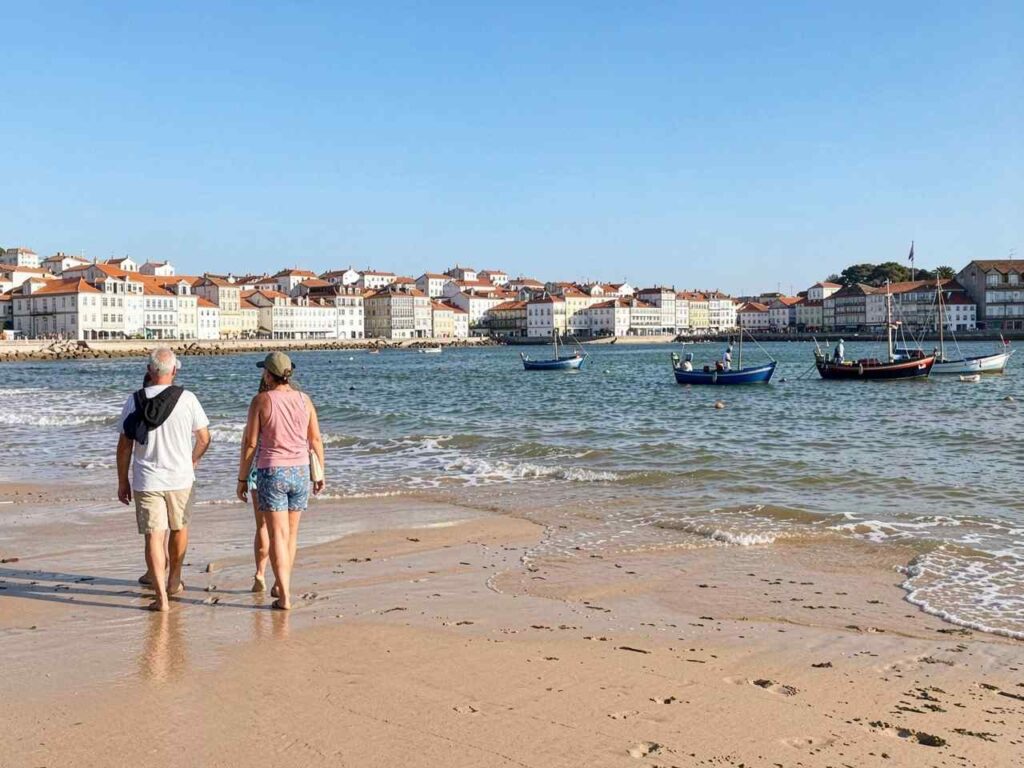
Image generated with Ai
Spain, Italy, and Portugal are experiencing a remarkable surge in tourism as global travelers increasingly flock to these safe, sun-soaked European destinations, leaving behind the geopolitical turmoil of the Middle East. While the ongoing conflict in the Gulf region, combined with rising oil prices and significant disruptions in airline operations, has caused a ripple effect across global travel routes, these Mediterranean countries are emerging as the go-to spots for tourists seeking both peace and adventure. With over 20% more bookings in Spain and Italy compared to last year, and Portugal seeing record numbers of visitors, it’s clear that the demand for these destinations is skyrocketing. As travelers reroute away from uncertain regions like Greece, Turkey, Egypt, and the UAE, Spain’s vibrant cities, Italy’s historic charm, and Portugal’s picturesque coastlines are stepping into the spotlight. Major European airlines have ramped up services, offering competitive flight options, while these countries’ hospitality industries are reaping the rewards of this new influx of visitors. In a world where safety and reliability are becoming more critical than ever, Spain, Italy, and Portugal are not just surviving; they are thriving, making it the perfect time for travelers to discover what these incredible nations have to offer. Whether you’re seeking to explore ancient ruins, relax on stunning beaches, or indulge in world-class cuisine, these countries have become the refuge for tourists seeking respite from global unrest, all while providing the charm and beauty that Europe is known for.
Spain, Italy, Portugal, Croatia, Malta & Norway See Travel Boom
The escalating tensions in the Middle East are causing significant shifts in the global tourism landscape. Countries like Spain, Italy, Portugal, Croatia, Malta, and Norway are emerging as major beneficiaries as travelers increasingly reroute their vacations away from the conflict-stricken regions of Greece, Turkey, Egypt, and the UAE. This transformation in tourism dynamics is largely driven by the chaos caused by flight cancellations, airspace closures, and the rising costs of travel, especially in the Gulf region. As a result, more and more tourists are flocking to safer European destinations, seeking sun, culture, and peace.
Tourism Growth: The Surge in European Destinations
In the past few months, tourism to countries in southern Europe has surged dramatically. Spain, Italy, Portugal, and Croatia have witnessed a notable increase in bookings, as tourists seek alternatives to the riskier Middle Eastern and North African regions. Spain, for example, saw an uptick of over 20% in bookings compared to the same period last year, and Italy followed with a similar growth rate. According to data from European tourism bodies, Spain and Italy are currently two of the top destinations for European travelers, with both countries benefiting from the shift in preferences due to the ongoing geopolitical issues in the Middle East.
Portugal, with its mild weather, rich history, and beautiful beaches, has also experienced a rise in visitors. This country has seen growth in both leisure tourism and business tourism, as corporate travelers looking to attend conferences and meetings prefer the stability and accessibility of Portugal over the uncertainty of the Middle East. Likewise, Croatia, with its pristine coastlines along the Adriatic, has also seen an influx of visitors, largely thanks to the global pivot away from the Middle East.
Malta, often overlooked, has started to attract a growing number of tourists due to its proximity to Italy and its rich cultural heritage. While the country was already a popular spot for travelers seeking a Mediterranean escape, the shift away from more volatile regions has given Malta a significant boost in tourism. Norway, too, has capitalized on the rise of interest in northern Europe, with tourists now exploring its fjords, picturesque towns, and the stunning Northern Lights.
These shifts in tourism trends have created an economic ripple effect in these European countries, as local businesses, from hotels to restaurants, benefit from the increased influx of travelers. Tourism is expected to grow by at least 10-15% in these countries over the next year, bolstered by this change in travel preferences.
Advertisement
Advertisement
Airline Connectivity: Changes in Air Travel Routes
One of the major factors influencing this shift is the ongoing disruption in the airline industry due to the Middle East crisis. Airlines in the Gulf region, including Emirates, Qatar Airways, and Etihad, have been heavily impacted by airspace closures and travel restrictions. Many of these carriers have significantly reduced their schedules, leading to widespread flight cancellations and delays. This has made it increasingly difficult for tourists to travel to the Middle East, particularly for those who were initially planning to visit the UAE, Qatar, or Egypt.
As a result, European carriers have stepped in to fill the gap, offering more flights to popular destinations like Spain, Italy, and Portugal. Air France, Lufthansa, and British Airways, for example, have all significantly increased their flight schedules to these Mediterranean countries. This surge in air travel options has made it easier for tourists to reach these safe havens, contributing to their appeal as top travel destinations.
Advertisement
Advertisement
In addition to the increased availability of flights, airlines are also adjusting their pricing strategies. As more travelers flock to European destinations, airlines are responding by offering competitive fares to capture a larger share of the market. For instance, British Airways has launched discounted packages for summer travel to Spain and Italy, making it more affordable for travelers to opt for these destinations over more expensive and less secure regions.
The increased connectivity has also benefited the hospitality sector, as more tourists are able to easily travel to countries like Italy and Portugal. In response, many airlines are extending their operating hours and optimizing their schedules to cater to the increased demand for travel to these European countries. These changes have made it simpler for travelers to plan their trips and access their desired destinations with ease.
Digital Nomad Visas: The Appeal of Remote Work-Friendly Countries
With the rise of digital nomadism, many of the countries experiencing a tourism boom—such as Spain, Portugal, and Croatia—have introduced or enhanced their digital nomad visa programs. Spain and Portugal, in particular, have become hubs for remote workers, attracting a growing number of expatriates seeking to live and work in the European Union while enjoying the Mediterranean lifestyle.
Portugal offers one of the most popular digital nomad visa programs, which allows remote workers to live in the country for up to one year while working for employers outside Portugal. Spain has followed suit with its own visa program, designed to attract professionals looking for an affordable, safe, and welcoming destination for remote work. Croatia, too, has introduced a digital nomad visa, making it easier for remote workers to relocate to the country and enjoy its Adriatic coast and vibrant cities.
These programs not only attract remote workers but also boost the local economy by increasing tourism and creating a more dynamic workforce. The rise of remote work has further contributed to the increase in tourism numbers, as digital nomads tend to stay longer in one place, contributing to both short-term and long-term tourism growth. As a result, these countries have seen a shift in their tourism demographics, with remote workers complementing traditional leisure travelers.
Currency Value: The Impact of Exchange Rates on Travel Decisions
Currency fluctuations are another factor influencing travel decisions. For travelers from countries outside the Eurozone, the strength of the local currency can significantly impact the affordability of a trip. In the past year, the Euro has remained relatively strong against the US Dollar and the British Pound, making European destinations more attractive for travelers from the United States and the UK.
For tourists from the US, the favorable exchange rate means that European destinations like Spain and Italy are now more affordable than ever. Similarly, travelers from the UK have found their trips to the Mediterranean to be more economical, as the strength of the Euro provides a better value for money compared to previous years.
For countries like Spain and Portugal, the relative strength of the Euro has contributed to their attractiveness, as travelers from countries with weaker currencies are increasingly looking to these destinations for value. This has played a key role in the growth of tourism to these countries, as they have become more accessible to a wider range of travelers.
Social Media Travel Trends: The Influence of Online Platforms
Social media has become a major driving force in travel decision-making. The rise of Instagram, TikTok, and other platforms has made destinations like Spain, Italy, and Portugal more desirable for younger generations, who often turn to these platforms for travel inspiration. Stunning photos of the beaches in Croatia, the vineyards of Portugal, and the historic sites of Rome have gone viral, inspiring millions of people to consider these destinations for their next vacation.
Influencers and travel bloggers have played a significant role in promoting these destinations by sharing their experiences and showcasing the beauty of the Mediterranean. As travelers seek out unique experiences and picturesque locations, social media continues to drive the trend toward safer, more accessible European destinations.
Best Time to Visit: Optimal Seasons for European Travel
The best time to visit Spain, Italy, Portugal, Croatia, and other Mediterranean countries largely depends on weather preferences, budget, and crowd tolerance. For most visitors, the ideal time to visit is during the spring (April to June) or fall (September to October). These months offer pleasant weather, fewer tourists, and lower prices compared to the peak summer months of July and August.
Summer in the Mediterranean can be hot, crowded, and expensive, especially in popular destinations like Barcelona, Rome, and Dubrovnik. However, for those seeking the quintessential beach holiday, the summer months are ideal. To avoid the crowds and high prices, consider visiting during the shoulder seasons.
Budget-Saving Flight Tips: How to Get the Best Deals
To secure the best deals on flights to Spain, Italy, and Portugal, it’s essential to book tickets in advance. Airlines often offer significant discounts for those who book at least three to six months ahead of time. Additionally, consider flying mid-week, as flights on Tuesdays and Wednesdays tend to be cheaper than those on weekends.
Be flexible with travel dates, as shifting your trip by a day or two can make a significant difference in ticket prices. Use flight comparison websites to track fare trends and set up alerts for price drops. Finally, if you’re traveling within Europe, consider using budget carriers like Ryanair, EasyJet, and Vueling, which offer low-cost flights to major European cities.
Airport Tips: Navigating Major European Airports
Major airports in Spain, Italy, and Portugal are generally well-equipped to handle the influx of international travelers. However, they can also be busy, especially during peak travel seasons. To make your experience smoother, arrive at the airport at least two to three hours before your flight. This will give you ample time to check in, pass through security, and find your gate.
If you’re flying into a major hub like Madrid Barajas Airport or Rome Fiumicino Airport, be sure to familiarize yourself with the airport layout beforehand. Many airports offer free Wi-Fi, charging stations, and duty-free shopping, but it’s still wise to plan your time effectively to avoid stress.
Local Transport Tips: Getting Around Europe on a Budget
Public transportation in Spain, Italy, and Portugal is efficient, affordable, and easy to navigate. In most major cities, buses, metros, and trams are readily available and offer an inexpensive way to explore the city. Consider purchasing a transportation pass, which offers unlimited travel for a set period, and can be a cost-effective option for tourists.
In addition to public transport, many cities in southern Europe are best explored on foot or by bike. Walking tours are a popular way to explore cities like Barcelona, Florence, and Lisbon, and they provide an opportunity to discover hidden gems off the beaten path.
Off-the-Beaten-Path Suggestions: Discover Lesser-Known Attractions
While destinations like Rome, Barcelona, and Lisbon are undoubtedly worth visiting, there are also many lesser-known gems waiting to be discovered. In Spain, consider exploring the charming city of Seville, known for its stunning architecture and vibrant culture. In Italy, the Amalfi Coast offers breathtaking views and fewer tourists than Venice or Florence. For a more peaceful experience in Portugal, head to the Azores, a group of volcanic islands offering unique landscapes and outdoor activities.
In Croatia, the lesser-known island of Korčula provides a more tranquil alternative to the tourist-heavy island of Hvar. Malta’s Gozo Island is another hidden treasure, offering scenic beaches, historical sites, and a slower pace of life compared to the bustling capital city of Valletta.
Spain, Italy, and Portugal are witnessing a tourism boom as travelers flock to these safe European havens, escaping the chaos in the Middle East. With increasing bookings and enhanced airline services, these countries are quickly becoming the top destinations for 2026.
As the Middle East crisis continues to reshape the global travel landscape, European destinations are becoming more attractive to tourists seeking safety, culture, and sun. Countries like Spain, Italy, and Portugal are thriving, offering travelers not just beauty and relaxation but also a more stable environment in the midst of international turmoil. Whether you’re looking for a beach getaway, cultural exploration, or an escape into nature, southern Europe remains an ideal destination for 2026 and beyond.
