

Published on
March 15, 2026
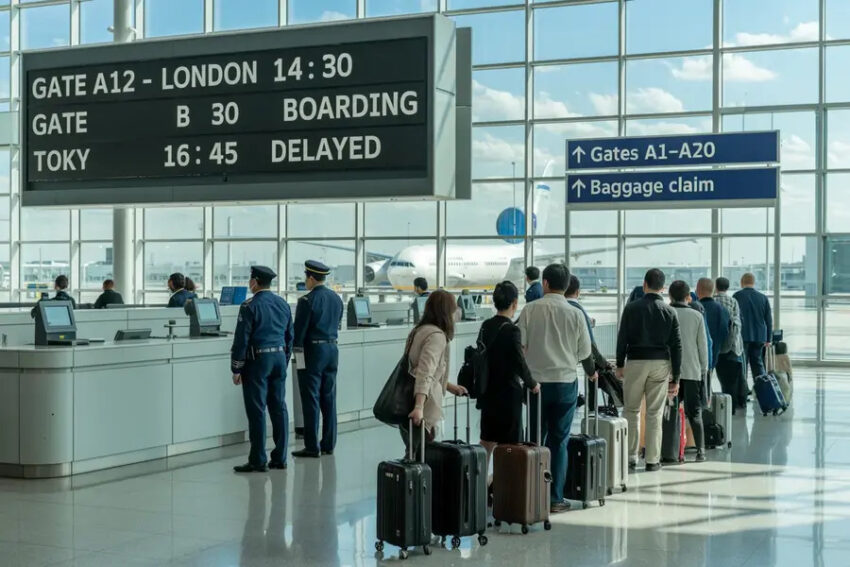
Image generated with Ai
The United Kingdom has joined Turkey, Egypt, and Cyprus in experiencing a significant rise in flight cancellations, as ongoing travel disruptions in the Middle East continue to escalate. These disruptions have prompted a shift in travel preferences, with many tourists now seeking safer, more reliable, and accessible alternatives across Europe. The growing uncertainty in the Middle East has led travelers to turn their attention to popular European destinations, which offer not only stability but also the convenience of well-established travel routes, fostering an undeniable surge in demand for these regions.
Amid the ongoing unrest in the Middle East, UK tourists are making significant changes to their travel plans, with many canceling holidays to destinations like Cyprus, Turkey, and Egypt. Travel experts suggest that the escalating conflict in the region, particularly the tensions surrounding Iran, is driving this shift in travel behavior. Travelers who had previously booked trips to popular Middle Eastern destinations are now opting for alternative locations, closer to home, to ensure safety and peace of mind.
The recent violence and political instability have created uncertainty, leading to a noticeable change in travel patterns. As a result, popular Mediterranean destinations within the European Union are seeing a surge in demand. Tour operators report that destinations such as Spain, Portugal, Greece, and Cape Verde are becoming more appealing for those looking for a relaxing summer getaway that is both familiar and easily accessible. These locations are seen as safer and offer a sense of normalcy for tourists who wish to avoid the uncertainty surrounding the Middle East.
Tour operators, including well-established companies, have noted a sharp rise in bookings for the summer months in these European spots. Spain, with its sunny beaches and vibrant cities, has long been a favorite of British travelers, and the demand for holidays there has intensified. Portugal, with its scenic coastline and historic cities like Lisbon and Porto, has also seen a marked increase in bookings. Greece, known for its ancient ruins, stunning islands, and Mediterranean climate, continues to be a top destination for those seeking both history and relaxation. In addition, the islands of Cape Verde are emerging as a popular choice for those seeking an exotic but easily accessible getaway.
This shift is not just a result of safety concerns. For many UK tourists, the appeal of traveling to familiar destinations, where they feel at ease and can easily navigate language barriers and cultural differences, is becoming more significant. The convenience of reaching these locations, with short flights and established travel infrastructure, adds to their allure. Many travelers are gravitating toward places they know well, where they can relax and enjoy their vacations without worrying about the impact of external factors such as the ongoing conflict.
As tensions continue to rise in the Middle East, the travel industry is adjusting to the changes in demand. Major travel agencies have responded by offering new packages and promotions for Mediterranean holidays, emphasizing their accessibility and the sense of security they provide. Airlines are also altering their flight schedules to accommodate the increased demand for European routes, ensuring that more options are available for those looking to travel within the EU.
Advertisement
Advertisement
While the Middle East has long been a popular destination for British tourists, particularly during the summer months, the current situation has created a shift in traveler preferences. The uncertainty surrounding the region’s stability, especially with the ongoing conflict involving Iran, has prompted many to reconsider their plans. The situation in Iraq, with recent attacks and military actions, has only added to the apprehension.
In response to the changing travel landscape, governments and tourism boards in European countries are focusing on promoting their regions as safe and appealing alternatives. The appeal of European destinations, combined with their proximity to the UK, makes them an attractive option for those looking for a more stress-free vacation. Additionally, many of these countries offer a wide range of activities, from cultural tours to beach holidays, catering to the varied interests of travelers.
Advertisement
Advertisement
The conflict in the Middle East is not only affecting tourism to the region but also the broader global travel industry. As some areas see a decline in tourism, others are benefiting from the shift in interest. The UK, in particular, is witnessing an increase in the number of travelers heading to European destinations, as well as other parts of the world that offer a sense of safety and stability.
The situation is also impacting the decisions of UK tourists when it comes to long-haul travel. Destinations further afield, particularly in the Middle East, Asia, and parts of Africa, are becoming less appealing. This shift is causing a ripple effect throughout the tourism industry, with a marked decline in bookings for destinations in the Middle East. Instead, many British tourists are choosing to stay closer to home, with a growing number of bookings for European holidays, where they can enjoy a relaxing and secure environment.
In the broader context, the travel disruptions caused by the ongoing conflict highlight the interconnectedness of the global travel market. When one region experiences instability, the effects are often felt worldwide. As travelers adjust their plans in response to safety concerns, the travel industry must adapt to ensure that tourists have access to secure and attractive alternatives. This ongoing shift in travel preferences underscores the importance of offering flexibility and reassurance to those seeking a sense of safety and normalcy during their vacations.
The Middle East conflict has not only affected UK tourists’ immediate travel decisions but could also have long-term implications for the tourism industry in the region. As travelers increasingly opt for European destinations over those in the Middle East, there may be a lasting impact on tourism revenues for countries such as Egypt, Turkey, and Cyprus, which have long relied on visitors from Europe. The future of tourism in the Middle East depends on the resolution of the conflict and the restoration of stability in the region.
The UK, along with Turkey, Egypt, and Cyprus, has seen a surge in flight cancellations due to escalating travel disruptions in the Middle East, prompting travelers to seek safer, more reliable European destinations.
As the situation continues to evolve, the travel industry will need to stay agile in responding to shifts in demand. With a growing preference for Mediterranean destinations, European countries are poised to benefit from this shift, while the Middle East may face continued challenges in attracting tourists. The ultimate outcome will depend on how the conflict in the region develops and how it impacts the safety and stability of the areas most affected. For now, however, UK tourists are opting for destinations closer to home, seeking peace of mind in the face of global uncertainty.
