
Published on
March 15, 2026
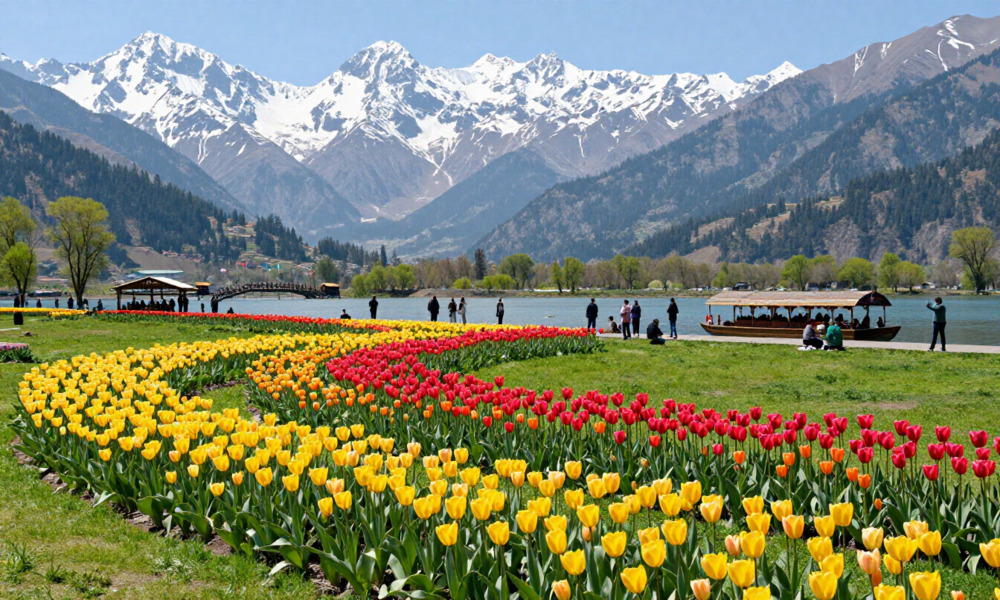
Image generated with Ai
As Kashmir experiences a vibrant tourism resurgence, the region is witnessing an influx of visitors eager to explore its iconic landscapes, blooming tulip gardens, and newly discovered offbeat locations. This surge is driven by improved infrastructure, the reopening of key tourist spots, and major developmental projects that have revitalized the local economy. With tourists flocking to the valley to experience its natural beauty and tranquility, Kashmir is once again cementing its place as one of India’s most sought-after destinations. The combination of popular attractions and hidden gems is providing travelers with an unforgettable experience while giving local businesses a much-needed boost.
As the vibrant hues of summer begin to paint the Kashmir Valley, a wave of optimism has enveloped the region’s tourism sector, signaling a robust recovery from the challenges of the previous year. Following a devastating terror attack in Pahalgam, which significantly impacted the valley’s tourism, Kashmir is now experiencing a resurgence. Tourists are returning in droves, with thousands arriving daily to explore the region’s unparalleled beauty. This renewed influx of visitors is breathing new life into the local economy and tourism industry, which has long relied on seasonal travel.
The tourism revival in Kashmir is not just a mere recovery, but a transformative moment for the industry. Tour operators across the valley are reporting a surge in bookings, and this has created an invaluable opportunity for the sector to bounce back and expand. Hotels, houseboats, taxi services, and handicraft businesses are seeing a notable increase in footfall, with visitors eager to experience the rich landscapes, lush gardens, and snow-capped mountains the region is famous for. To further support this positive shift, the authorities have reopened several popular tourist destinations that had been closed for security reasons in the past. This strategic move aims to redistribute tourist traffic across the valley, relieving overcrowding in well-established spots, while also promoting lesser-known but equally stunning destinations.
One such emerging destination is Hajibal, located in North Kashmir. Along with Bosnia, these areas are quickly gaining recognition for their lush meadows, dense forests, and awe-inspiring mountain views. Once hidden gems, they are now being actively promoted as part of the valley’s expanding tourism map. Local officials and tour operators alike are excited about the potential of these areas to become new hotspots for tourists seeking to experience the unspoiled beauty of Kashmir.
To make these destinations more accessible to tourists, the government has begun plans for major developmental projects. One particularly ambitious project is the construction of a cable car service that will connect Khadniyar in Baramulla to Hajibal and Bosnia. This proposed service is expected to provide visitors with a unique and breathtaking aerial view of the valley, offering a fresh perspective on Kashmir’s natural beauty. Furthermore, the cable car will improve accessibility, making it easier for visitors to reach these areas, which were previously less accessible due to their remote locations.
Hajibal, in particular, has been identified as a future tourism jewel. Surrounded by thick forests and offering unparalleled views of the majestic mountains, this tranquil area has the potential to become one of Kashmir’s most sought-after tourist destinations. Away from the crowds and the hustle and bustle of traditional tourist routes, Hajibal offers visitors a rare opportunity to immerse themselves in nature and experience the serenity of the valley. Experts believe that once fully developed, it could attract a steady stream of tourists looking for a peaceful retreat in the heart of the mountains.
Advertisement
Advertisement
Meanwhile, one of Kashmir’s most iconic and beloved attractions, the Indira Gandhi Memorial Tulip Garden, is gearing up for its grand reopening on March 16. Nestled on the foothills of the Zabarwan Range, the garden is the largest tulip garden in Asia and attracts visitors from across India and beyond every spring. Last year, over half a million visitors toured the garden during the blooming season, and this year, officials are expecting an even higher turnout as the tulips begin to bloom in a stunning array of colors. The opening of the garden each spring is a major event for the region, marking the start of the peak tourist season in Kashmir.
The tulip garden’s opening is expected to draw significant attention, as visitors flock to witness the beautiful and diverse tulip displays that have made the garden world-renowned. With millions of tulips already beginning to blossom, the garden is poised to once again become one of Kashmir’s top attractions. Its reopening is expected to give a further boost to the region’s tourism, drawing tourists not only to the garden but also to nearby destinations.
Advertisement
Advertisement
Kashmir’s tourism industry remains a cornerstone of the region’s economy, with popular destinations such as Gulmarg, Sonamarg, and Dal Lake continuing to attract visitors year-round. However, the government’s renewed focus on promoting offbeat destinations is a significant shift in strategy. By highlighting lesser-known spots like Hajibal and Bosnia, the aim is to foster sustainable tourism that benefits not only the more popular locations but also the rural and less-explored areas. This approach will help to evenly distribute tourism traffic across the valley, alleviating strain on the traditional hotspots while encouraging visitors to explore Kashmir’s hidden treasures.
The government is also working on improving the region’s infrastructure to make it more accessible and appealing to tourists. Roadways, bridges, and tourist amenities are all part of the developmental efforts aimed at improving the visitor experience. These upgrades are expected to make it easier for tourists to navigate the region, ensuring a smoother and more enjoyable stay for everyone.
Moreover, the rise in tourism is not only benefiting the tourism sector but also creating new livelihood opportunities for local communities. Businesses in the hospitality, transportation, and handicraft sectors are experiencing a boost, which in turn is helping to support the local economy. This growth in the tourism industry is helping to revitalize the region and ensure that the benefits of increased tourism are felt by all.
With improved infrastructure, the opening of new destinations, and a steady increase in the number of visitors, Kashmir’s tourism sector is set to experience a strong and prosperous season. This marks a turning point for the valley, as it not only recovers from the challenges of the past but also establishes itself as one of India’s premier travel destinations once again.
The resurgence of tourism in Kashmir is a testament to the resilience of the valley and its ability to recover and grow despite past setbacks. With a renewed focus on sustainable tourism, new attractions, and improved infrastructure, the region is poised for a bright future, reaffirming its place as one of the most beautiful and sought-after destinations in India. As summer draws closer, the valley is ready to welcome tourists with open arms, offering them an unforgettable experience in the heart of the Himalayas.
