
Published on
March 15, 2026
Image generated with Ai
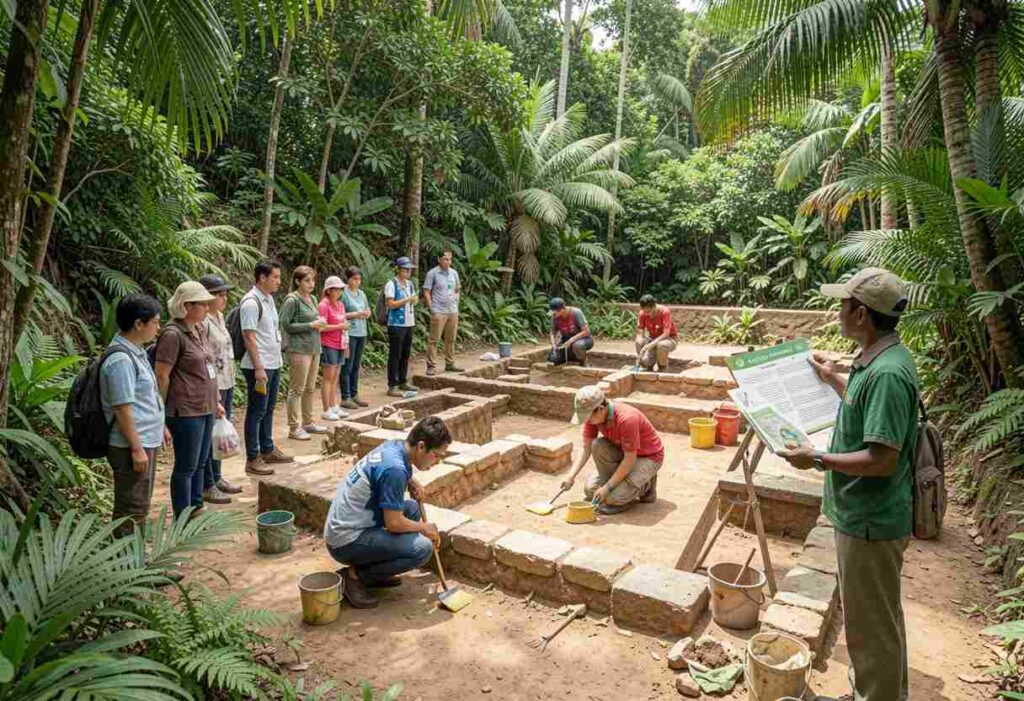
The Ministry of Tourism and Antiquities, in collaboration with the Ministry of Environment and the Jordan Tourism Board, has introduced a significant national campaign aimed at improving the cleanliness of the Kingdom’s tourist and archaeological sites. This initiative is designed to foster a sense of community responsibility regarding the preservation of these sites, which are crucial to both the country’s national identity and its tourism sector.
This campaign is not an isolated effort; it is an integral part of the larger executive program that underpins Jordan’s national cleanliness strategy. Through carefully crafted awareness campaigns and media outreach, the initiative intends to raise the standard of services at tourist facilities and promote environmentally responsible practices through educational programs targeting both students and local communities. Additionally, the campaign seeks to broaden community involvement by engaging tourist guides and volunteers in activities conducted under the “Urduna Janna” program. This program emphasizes Jordan’s cultural pride and environmental responsibility. Media professionals and content creators are also expected to play a key role in documenting and amplifying these efforts across various platforms.
The Ministry has stressed that the protection of Jordan’s tourist and archaeological sites is a shared responsibility, urging the cooperation of government institutions, local communities, and visitors alike. This coordinated effort aims to solidify Jordan’s position as a leading sustainable and responsible tourism destination in both regional and international tourism circles.
Key Benefits of Jordan’s National Cleanliness Campaign
The launch of this national cleanliness campaign has brought several important benefits, not only to Jordan’s tourism sector but also to its environment and communities. The key advantages of the initiative include:
Advertisement
Advertisement
Enhanced Sustainability and Conservation
One of the foremost benefits of this campaign is the preservation of Jordan’s rich cultural and natural heritage. Clean and well-protected sites will ensure that the country’s archaeological treasures and natural environments are maintained for future generations. This initiative aligns with global sustainable tourism principles, which emphasize the importance of responsible environmental practices and the conservation of cultural heritage. By minimizing degradation and environmental damage, the campaign directly supports the long-term preservation of Jordan’s heritage.
Improved Community Awareness and Stewardship
Through targeted educational programs, the campaign aims to engage students and local residents, educating them on the significance of sustainability and the importance of preserving their environment. The involvement of local guides, volunteers, and media creators helps build a sense of responsibility among the community towards the protection of Jordan’s heritage. These programs not only increase awareness but also encourage local stewardship, ensuring that the responsibility of maintaining tourist sites is shared by all.
Advertisement
Advertisement
Boost to Tourism Service Standards
Another major benefit of the campaign is the enhancement of service quality across Jordan’s tourist facilities. With a focus on cleanliness and sustainability, the initiative aims to elevate the visitor experience. As a result, tourists will have more enjoyable and satisfying visits, leading to an increase in repeat visits and positive word-of-mouth recommendations. This heightened service standard will undoubtedly help boost Jordan’s tourism economy by attracting more visitors and encouraging them to stay longer.
Enhanced Destination Image
As Jordan implements this national campaign, the country’s image as a premier tourism destination will improve. A clean and well-managed destination reflects Jordan’s commitment to sustainability, environmental protection, and responsible tourism. This image enhancement will not only attract more tourists but will also position Jordan as a leading example of sustainable tourism in the region, thereby strengthening its global reputation.
Educational Outreach
The campaign also places significant emphasis on educational outreach, particularly in schools and local communities. By fostering environmental awareness and instilling a sense of cultural pride in future generations, the initiative ensures that sustainable practices are passed down and maintained for years to come. This grassroots-level education is crucial in creating a culture of sustainability that extends beyond the tourism sector and into everyday life.
Similar Campaigns in Other Countries
Jordan is not the only country undertaking such initiatives. Several other nations around the world have launched similar campaigns or strategies aimed at enhancing the sustainability of their tourism industries while preserving their cultural and natural resources.
India – Blue Flag Beaches and Sustainable Tourism Strategy
India has implemented the Blue Flag certification program for its beaches, which recognizes beaches that meet international standards for cleanliness, safety, environmental education, and sustainable practices. In addition to this, India has adopted a National Strategy for Sustainable Tourism, which emphasizes the importance of balancing environmental protection with tourism growth. This strategy mirrors Jordan’s focus on protecting its natural and cultural heritage while expanding its tourism industry.
Bhutan – “High Value, Low Impact” Tourism Model
Bhutan has adopted a unique tourism model called “High Value, Low Impact,” which aims to protect the country’s environment and culture by capping visitor numbers and charging sustainable tourism fees. This model prioritizes maintaining a balance between tourism growth and environmental conservation, ensuring that the country remains a low-impact destination. This strategy is aligned with Jordan’s focus on contained tourism growth and environmental protection.
Sri Lanka – Community-Based Ecotourism Initiatives
Sri Lanka’s Ecotourism Foundation has implemented community-based ecotourism initiatives that actively involve local communities in sustainable tourism and conservation projects. These initiatives help ensure that tourism benefits both the environment and the local residents, encouraging responsible travel while preserving the country’s natural beauty and heritage. Similar to Jordan, Sri Lanka’s approach integrates local communities into its sustainability efforts.
Slovenia, Iceland & New Zealand – Sustainable Tourism Leaders
Countries like Slovenia, Iceland, and New Zealand have been recognized for their strong commitment to sustainable tourism. These countries have successfully integrated environmental responsibility into their tourism policies, with efforts focused on protecting landscapes, reducing carbon footprints, and enforcing guidelines to minimize tourism impact. Jordan’s cleanliness campaign is aligned with these global efforts to ensure sustainability and environmental preservation in tourism.
Global Certifications & Schemes
In addition to national efforts, global certifications such as the Blue Flag Award and organizations like the Global Sustainable Tourism Council (GSTC) set industry standards for environmental management and sustainable tourism practices. These international benchmarks influence countries, including Jordan, to adopt sustainable practices and achieve global recognition for their efforts.
Advantages of Cleanliness and Sustainable Tourism Campaigns
Campaigns that focus on cleanliness and sustainability in tourism offer numerous advantages across environmental, economic, and social dimensions. These initiatives help protect natural ecosystems, preserve cultural heritage, and ensure that tourism benefits local communities.
Environmental Conservation & Protection
The primary advantage of campaigns like Jordan’s is the protection of ecosystems and biodiversity. By focusing on cleanliness and sustainability, these campaigns reduce pollution, protect habitats, and ensure the long-term conservation of cultural and natural assets. This focus on environmental preservation is essential for attracting tourists who are increasingly concerned with sustainability.
Key benefits include:
- Reduced pollution at tourist sites
- Preservation of natural habitats and landscapes
- Long-term conservation of cultural and natural assets
Economic Boost & Community Livelihoods
Cleaner, well-managed destinations attract higher-yield visitors who value sustainability and quality. As a result, tourism revenue increases, leading to job creation and expanded economic opportunities for local communities.
Benefits include:
- Increased tourism revenue
- Local job creation
- Diversified economic benefits for host communities
Social Hope & Local Empowerment
Engaging local communities in sustainability efforts fosters pride and ownership of cultural and natural heritage. By involving residents in the management of tourism sites, these campaigns help bridge the gap between locals and tourists, creating a sense of social cohesion and shared responsibility.
Benefits include:
- Stronger local stewardship of tourist assets
- Cultural heritage preservation
- Greater community ownership of tourism models
Enhanced Destination Brand & Competitiveness
Destinations that prioritize cleanliness and sustainability enjoy a stronger international reputation and higher recognition in global travel guides. Clean, well-managed environments enhance a country’s brand and appeal to eco-conscious travelers, making it more competitive in the global tourism market.
Benefits include:
- Stronger international reputation
- Higher travel recognition and awards
- Greater competitiveness in eco-tourism markets
Educational Impact & Behavioral Change
Educational programs that promote responsible behavior among tourists and locals contribute to broader environmental goals. These campaigns help reduce the environmental footprint of tourism and encourage visitors to engage in sustainable practices.
Benefits include:
- Reduced environmental footprint
- Behavioral shifts among visitors and residents
- Support for national sustainable development goals
Conclusion
Jordan’s national cleanliness campaign for tourist and archaeological sites provides multi-layered benefits, from environmental conservation to economic empowerment and an enhanced competitive position in the global tourism market. Similar initiatives around the world — such as India’s Blue Flag Beaches, Bhutan’s sustainable tourism model, and Sri Lanka’s community-based ecotourism projects — underscore the importance of sustainability in tourism. These global efforts demonstrate the interdependence of environmental protection and tourism growth, proving that protecting the environment and preserving cultural heritage are essential for the future success of the tourism industry. By adopting these sustainable practices, Jordan strengthens its reputation as a premier eco-friendly and responsible tourism destination, offering a global blueprint for best practices in tourism management.
