
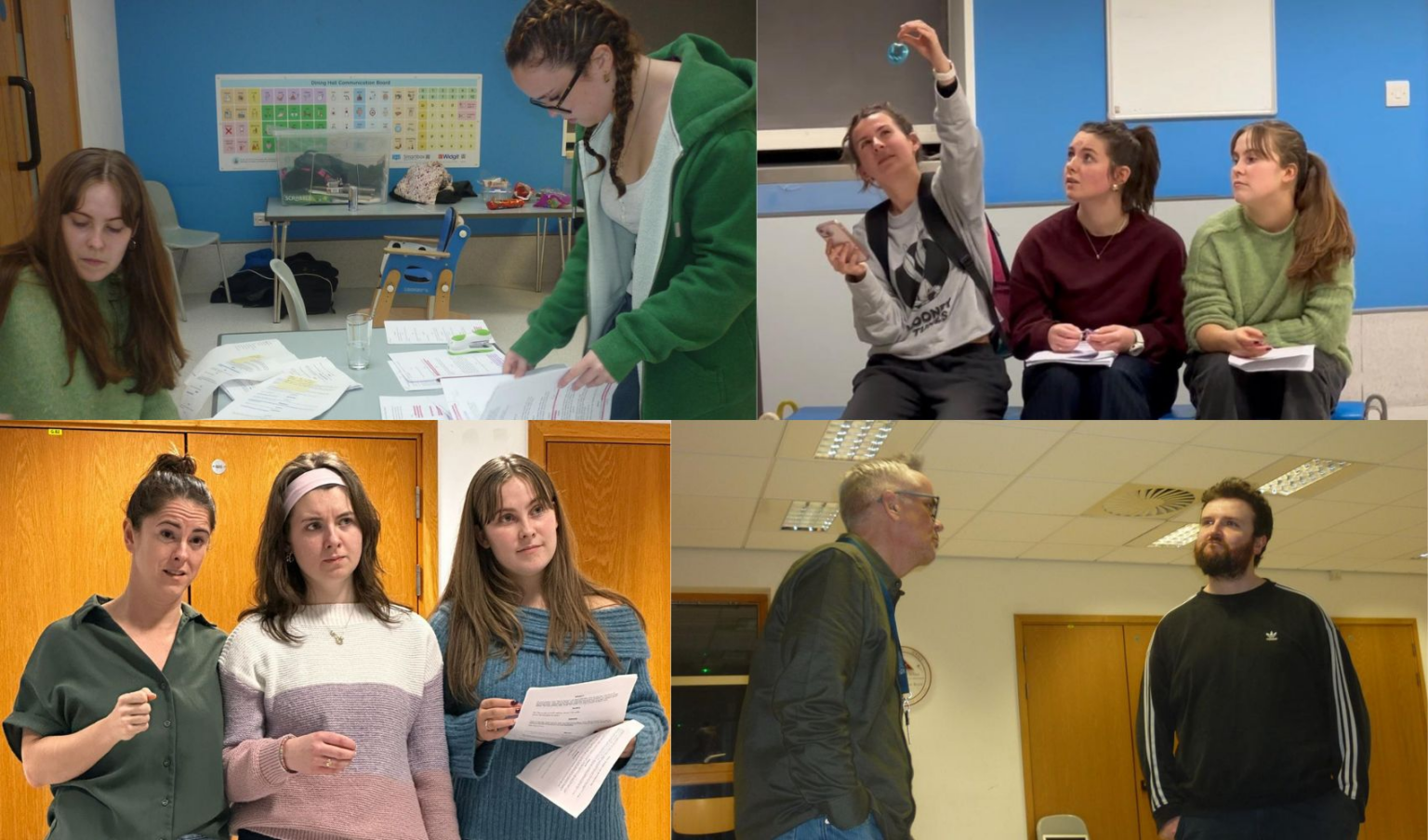
A new dark comedy by a Jersey-based writer set in rural Ireland in the 1990s and exploring community and grief is due to premiere at the Jersey Arts Centre next week.
Ahead of the first performance of The Wake of Yer Man, author and playwright Yvonne Heavey spoke about the journey behind the production.
Originally sparked by a short story that won the Jersey Festival of Words in 2023, the play has grown from a series of connected stories into a stage work rooted in rural Ireland of the 1990s.
The story centres around 14-year-old Polly Moran, a sassy 14-year-old girl, and her long-suffering but undaunted mother Nancy.
The unexpected death of Jimmy O’Sullivan awakens unbidden events, as Polly and her schoolfriends are haunted by the belief that their Ouija board session may have foreseen Jimmy’s demise. In the wake that unfolds, the community’s intricate web of relationships, jokes and unspoken truths finds an authentically vibrant voice which instantly evokes its period and setting.
Yvonne sat down with Express to chat about adaptation, cultural memory, comedy, and bringing the story to life with local performers…
The play began as a short story that won the Jersey Festival of Words. How did the process of adapting this into a stage play shape the final piece?
The Wake of Yer Man began as a single short story, and it was that story that won the Jersey Festival of Words.
At the time it felt like a vignette, a glimpse through a half-open door, but it carried the DNA of something much larger.
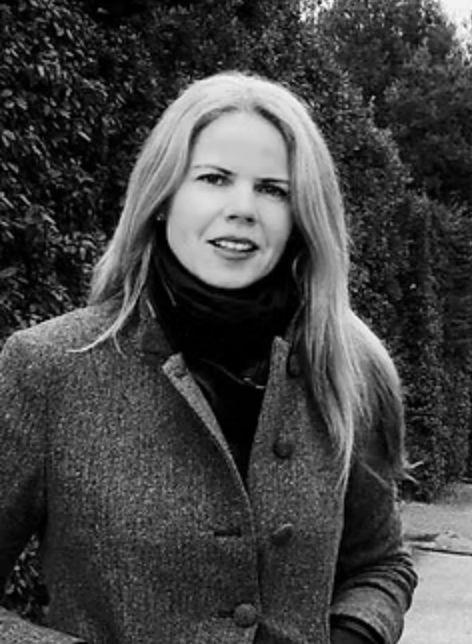 Pictured: Irish-born Jersey-based writer and playwright Yvonne Heavey.
The wider collection is actually 25 short stories. So far, 11 have been released, and three of the stories have won awards.
Over time, the pieces started speaking to each other not because I forced them into a neat narrative, but because they share the same underlying architecture community, inheritance, grief, humour, women’s invisible labour, and the sacred rubbing shoulders with the ridiculous in the same kitchen.
When I moved into theatre, it wasn’t a simple adaptation. Theatre gave those fragments a shared hearth. I built the room and once the fire was lit, the community arrived.
The play is set in rural Ireland during the 1990s and draws on your Irish roots.
How much of the story is inspired by personal experiences or memories of that time and place?
It’s rooted in my Irish upbringing, but it’s not autobiography. The 1990s in rural Ireland were a hinge time, the old codes still running the house, Church, land, reputation, while the Celtic Tiger started knocking at the door.
That tension is the engine of the play. I’m drawing less on specific incidents and more on emotional memory, the kitchen talk, the wake rituals, the weather of the place, and the women’s invisible labour holding everything together.
And the child’s perspective matters because children see the cracks in the adult performance. So yes, it’s Westmeath in the bones, but the aim is to build a room that feels true, not a museum display.
Comedy often sits alongside deeper themes. What ideas about community, identity, or belonging are you hoping audiences will take away from the play?
I always felt that comedy is how a community tells the truth without starting a war.
What I want audiences to leave with is a sense of the quiet power in ordinary places, that the people who don’t get the loud, obvious voices in life are often the ones holding everything up and moving everything along.
Women, especially, are the infrastructure, the unseen emotional and practical labour, the rituals, the feeding, the minding, the smoothing over, the truth-telling in code. It’s a dynamic machine, and it’s rarely named.
I also want people to understand the culture in the language itself the turn of phrase, the rhythm, the sideways humour. That wit isn’t decoration, it’s resilience.
They don’t think of themselves as funny. They’re not performing comedy. They’re surviving, and the language is how they keep dignity intact when life is doing its worst.
And underneath all the noise inheritance, reputation, change there’s something simpler I’m trying to honour, the power of connection. The way a kettle boiling, a chair pulled in, a joke at the right moment can be the difference between coping and collapsing.
Some of the cast are performers from Jersey. How has working with local actors and creatives influenced the development of the production?
Working with island-based actors and creatives has been hugely influential, especially because this isn’t just “Irish”; it’s very regional, very cultural, and the dialogue has its own codes and rhythm.
Because the Jersey cast aren’t automatically fluent in that shorthand, they brought a completely different perspective.
Their questions were sharper and more forensic: “What does this line really mean? Why is it funny? What’s being avoided? Where is the power sitting in the room?”
That pushed us into areas we might not have gone otherwise, and it forced clarity – we had to earn every beat, not lean on nostalgia.
And it’s been amazing to feel Ireland and Jersey come together through the process.
What are you most excited or most nervous about when audiences see The Wake of Yer Man for the first time?
I’m excited for audiences to step into a different culture and feel it from the inside: the language, the turns of phrase, the sideways humour, and to watch the room come alive as they find the cues for connection.
Theatre, for me, is that raw exchange, what bypasses the intellect and touches the soul. And because it’s a wake, it brings people close to death and their own mortality tenderly, and with a strange kind of life in it.
I’m not nervous. These characters have lived in me a long time. If anything, I feel relieved it’s out of me now, and it can find its way into the world.
The Wake of Yer Man is being performed at the Jersey Arts Centre on Tuesday 17 March and Wednesday 18 March. Tickets are £25 and can be purchased online.
Related