
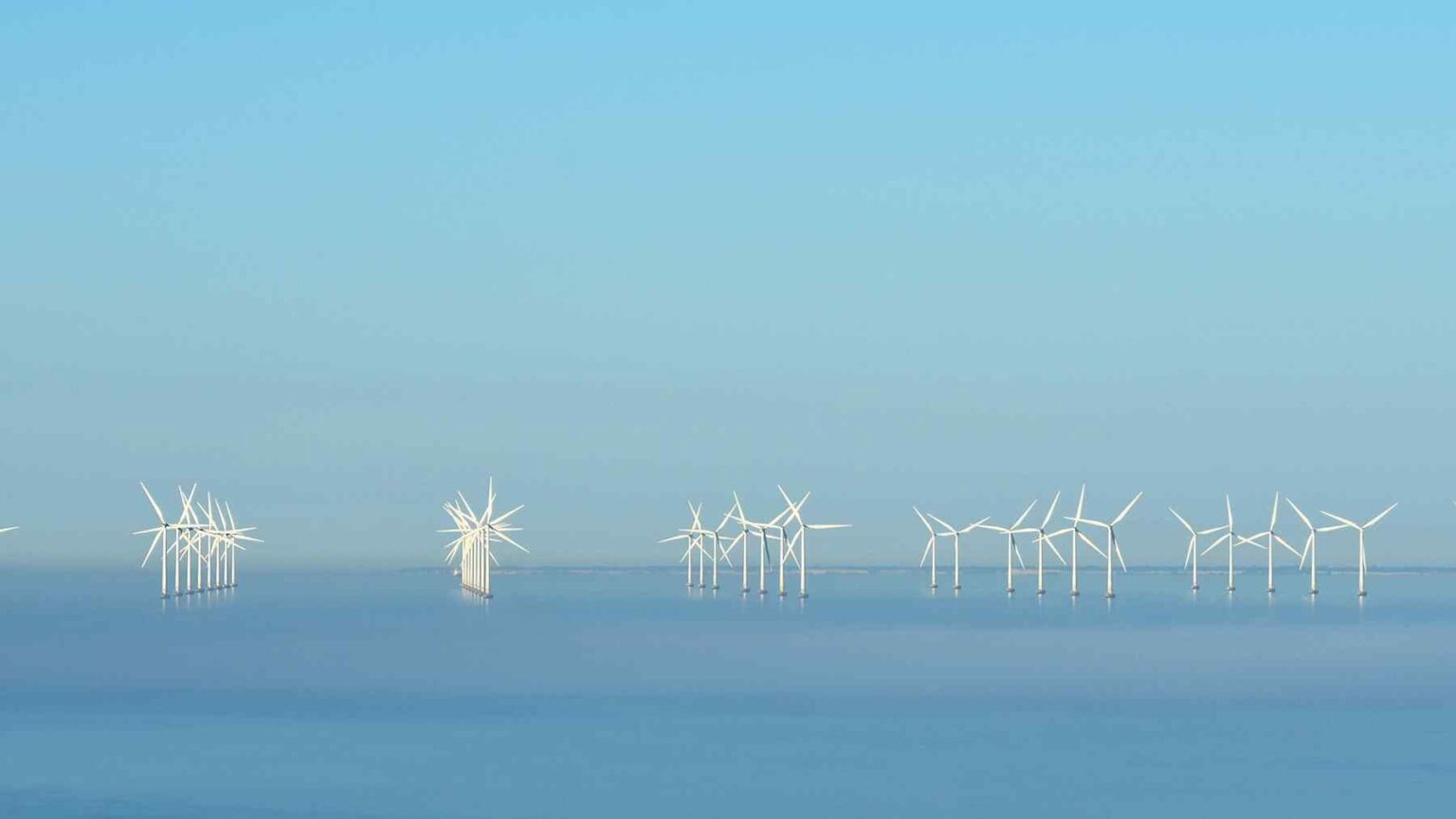
Denmark is one of the countries that represent Europe when it comes to large-scale clean energy initiatives. In 2026, the nation will have a lot of projects that are in the works, and if all of them materialize as planned, the people will receive a massive amount of reliable electricity. In its latest attempt to expand the renewable energy portfolio, reports emerged that installation has officially begun at Denmark’s Thor offshore wind project, with the first turbine now in place.
Denmark establishes itself as a leader in wind energy generation
Denmark is globally respected for its leadership in wind energy generation. Although it is not the largest wind energy-generating nation in Europe, it is still one of the highest producers. According to the reports made by reputable outlets, wind and solar power account for over 50% of Denmark’s electricity consumption, but with all the initiatives that are on the way, this statistic is likely to increase.
In some cases, when countries become leaders in a certain realm, they become complacent, and they are less eager to invest. However, this is not the case for Denmark, as the nation has clearly shown great urgency to further amplify its status as a wind energy producer.
For instance, the determination of the powerhouse European nation was put on full display after news broke that the first turbine had been installed at the Thor offshore wind project in the North Sea. The reason why there has been a tremendous amount of excitement surrounding the initiative is that it marks the beginning of turbine installation at what is predicted to become the country’s largest offshore wind farm.
RWE delivers another groundbreaking clean energy facility in Denmark
RWE is a firm that deserves a lot of credit for the role that it has played in ensuring that countries’ renewable energy projects materialize as planned. The company’s development of the Thor wind farm is particularly important considering that the facility is expected to play a significant role in strengthening Denmark’s green electricity supply.
The excitement surrounding the project among the general public is warranted because once completed, the wind farm will deliver large amounts of renewable energy to the national grid. The 1.1-gigawatt project is located in the North Sea off the west coast of Jutland.
The facility, being the largest offshore wind facility ever built in Denmark, shows the progress made in the energy industry, especially in 2026.
Unpacking the features of Denmark’s Thor offshore wind project
One of the most exciting aspects of an upcoming project for the general population is gaining insight into how they are set to benefit from it. The Thor project will possess 72 offshore wind turbines that are all capable of generating up to 15 megawatts of electricity.
The turbines are part of Siemens Gamesa’s SG 14-236 DD model, which is a historic feat considering that it is among the most powerful offshore wind turbines in the modern era.
People have benefited from employment opportunities as construction has progressed over the past two years. Onshore cabling work began in 2024, and the offshore construction activities began in 2025. This includes the installation of monopile foundations and the offshore substation that will collect electricity produced by the turbines.
Gaining a deeper insight into the technological innovation at the Thor wind farm
Before reviewing the wind farm’s technological makeup, it is important to acknowledge that the installation vessel for it is Brave Tern, which is operated by Fred. Olsen Windcarrier. The vessel can transport and install up to three turbines per trip, which will be integral to hastening construction.
Some of the wind turbines will use recyclable rotor blades, a new technology that manages waste challenges in the wind energy sector. Each turbine will rise roughly 148 meters above sea level and use rotor blades measuring about 115 meters in length.
Through this initiative, Denmark has shown its desire to invest in renewable energy development. Additionally, it has elevated the European continent’s energy landscape.