
An arts industry association has called for improved transparency and governance of the Malta Biennale after receiving “concerning reports” from participants it said echoed past criticisms of the event, showing such issues had not been resolved.
The Malta Entertainment Industry and Arts Association (MEIA) listed several grievances from participants, including poor organisation, last-minute decisions leading to works being removed, intellectual property rights not being respected and outstanding fees.
The association said it had received complaints about the event’s opening ceremony, which it said had excluded artists representing Malta’s national pavilion, and raised concerns over the appointment of the event’s artistic director, who it said had been “directly appointed” each year.
MEIA said it would open a sector-wide consultation “to better understand the Biennale’s impact on the cultural community” after information it requested from organisers after the first edition two years ago had still not been provided.
It advocated for more flexibility for satellite events it said had been subject to disproportionate oversight by organisers, while also raising concerns about the national pavilion’s autonomy due to its relationship with the National Museum of Art (MUŻA).
While recognising the potential benefits of the Biennale being reorganised into a foundation, announced during the opening ceremony, MEIA warned such a move required “thorough analysis” of the recent edition and should involve consultation with sector stakeholders.
RELATED STORIES
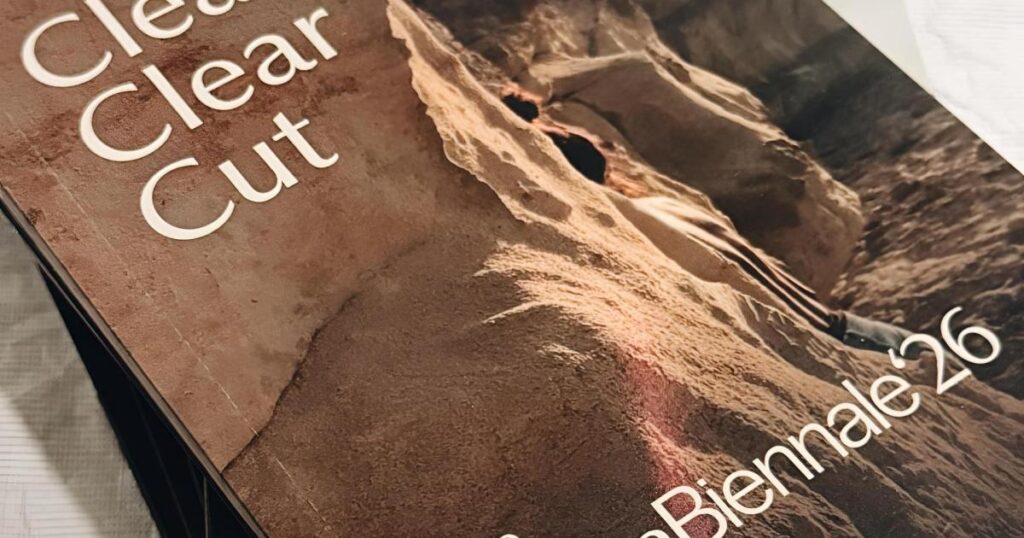
This year’s Malta Biennale was inaugurated Tuesday and started receiving public visitors yesterday. This year’s theme for the event is Clean | Clear | Cut. The event runs until May 29.
The festival is curated by Rosa Martínez, a respected Spanish curator who has organised her own biennales and served as director of the 51st Venice Biennale.
MEIA noted that it had issued a public statement after the first edition in 2024 calling for “greater transparency and accountability”, with several recommendations passed to Heritage Malta on “governance, curatorial clarity, communication, artist support structure and transparent commissioning”.
“While certain improvements have been introduced in the current edition, including open calls for key roles, dedicated production contacts, and the introduction of satellite events, many of the recommendations aimed at strengthening transparency, professional standards and sector engagement have not yet been implemented.”
In the weeks leading up to this year’s opening, the association received “concerning reports from participating artists and cultural organisations, both Maltese and international. Many of these concerns echo issues already raised following the first edition of the Malta Biennale in 2024”.
Concerns
MEIA reported several complaints it said it had received from participating artists.
Logistical information had been missing or delayed due to “communication gaps” with organisers, while invitations to festival events arrived late or not at all, leading to some artists being excluded.
Installation timelines were not followed, leading to “several” pavilions being completed shortly before opening, while installations were set back by “limited” curatorial involvement.
“Last-minute” curatorial decisions led to some works being removed after delivery, and international media were left without press images due to “insufficient professional documentation of exhibitions and artworks”.
RELATED STORIES
Artworks were reproduced in event publications without “proper artist credit”, raising copyright concerns, and “inconsistent” visitor information meant viewers were left with “limited contextual information”.
Meanwhile, some artists were still awaiting payments, some from last year, with MEIA saying one artist had issued a legal letter to the organisers, who had not yet responded.
The association said, “international and Maltese artists reported lack of sensitivity and lack of professionalism in communication with the curatorial team”.
The concerns “highlight the importance of predictable working conditions, clear curatorial frameworks and transparent communication when organising an international exhibition”, MEIA said.
The association had previously recommended organisers collaborate with an international contemporary art communications partner to provide media outreach services – a recommendation it said did not appear to have been taken on board.
MEIA president Maria Galea stressed that, “Artists and their work must remain at the core of any international cultural event. The professional conditions under which artists and cultural practitioners are invited to participate are essential to the credibility of such platforms”.
“If Malta aims to position itself as a credible platform for contemporary art, the structures supporting these events must reflect international standards of transparency, governance and respect.”