
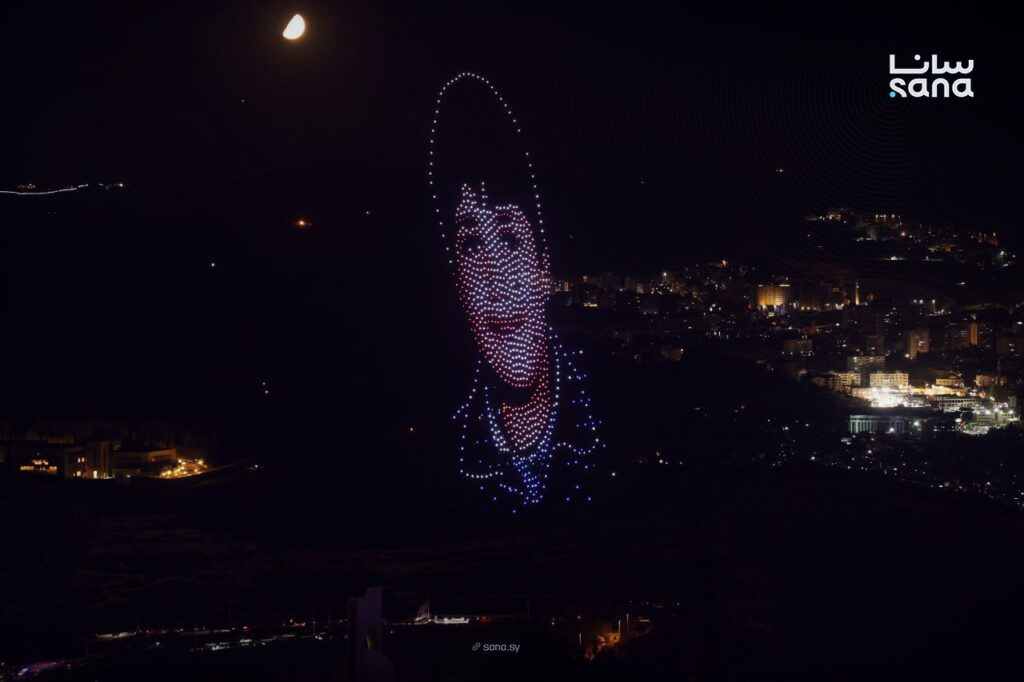
Damascus, March 16 (SANA) More than a decade after the Syrian revolution began in 2011, the name Hamza Ali al-Khatib remains one of the most powerful symbols of the uprising. The 13-year-old boy from the southern province of Daraa became widely known after his death in detention sparked outrage across Syria and drew international attention.
Today, Hamza’s story continues to resonate as a reminder of the early days of the uprising and the brutality of the deposed regime.
The Protest Spark in Daraa
In early 2011, Syria was already experiencing rising political tension as protests spread across parts of the Arab world. In the southern city of Daraa, schoolchildren wrote the phrase “Your turn has come, doctor” on a wall — a message directed at deposed president Bashar al-Assad.
The arrest of the children involved in writing the slogan triggered demonstrations in the city, which soon spread across the country.
Arrest and Death in Custody
Hamza al-Khatib, born in October 1997 in the town of al-Jeezah, joined a group of residents traveling to Daraa to participate in protests in April 2011.
According to relatives and activists, he was detained then at a security checkpoint near Saida and taken to an Air Force Intelligence facility in Daraa.
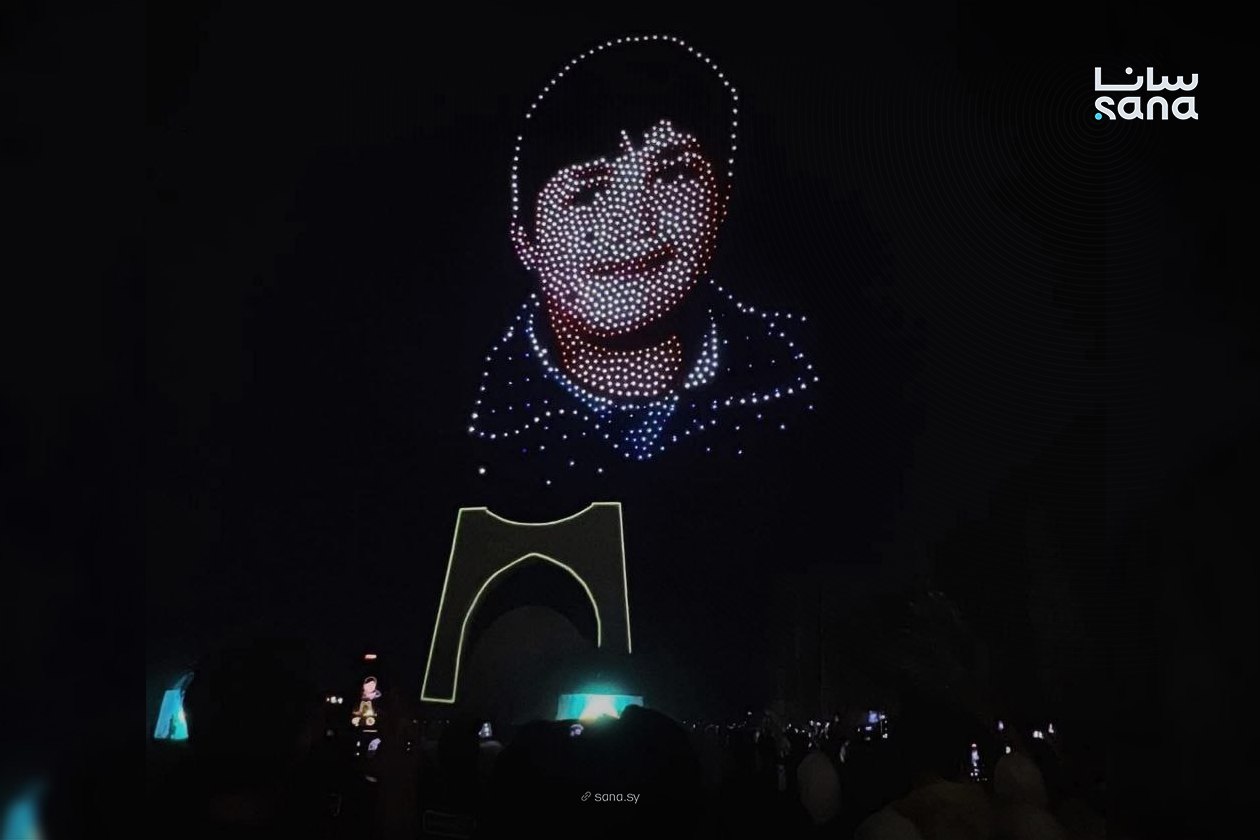
Family members said they initially believed the teenager would soon be released. Instead, they were later told to go to a hospital, where they learned that Hamza had died.
Images That Shocked the World
When Hamza’s body was returned to his family in May 2011, relatives and activists said it showed signs of severe torture.
Images and video footage circulated widely online, prompting strong reactions both inside Syria and abroad. The footage became one of the most widely shared images of the early uprising and fueled public anger toward the government.
International Reaction
Hamza’s death drew condemnation from international leaders.
Then-U.S. Secretary of State Hillary Clinton said she hoped his death would not be in vain, describing him as a symbol for many Syrians. Several governments also called for investigations into the crackdown on protesters.
Inside Syria, demonstrators carried Hamza’s photograph during protests demanding political change.
A Family’s Ongoing Tragedy
Years after Hamza’s death, and following the fall of the regime in December 2024, the family learned that his brother Omar al-Khatib had died while detained in Saydnaya prison, one of Syria’s most notorious detention facilities.
Omar had reportedly been arrested in 2019, and details surrounding his death remain unclear.
A Lasting Symbol
Today, as the anniversary of the revolution approaches, Hamza al-Khatib’s story remains deeply embedded in Syria’s collective memory. For many Syrians, the teenager’s death marked a turning point that transformed local protests into a nationwide uprising.
More than a decade later, his name continues to symbolize the human cost of the Syrian conflict and the brutality of the deposed regime.
Iman Alzuheiri/