
Published on
March 16, 2026
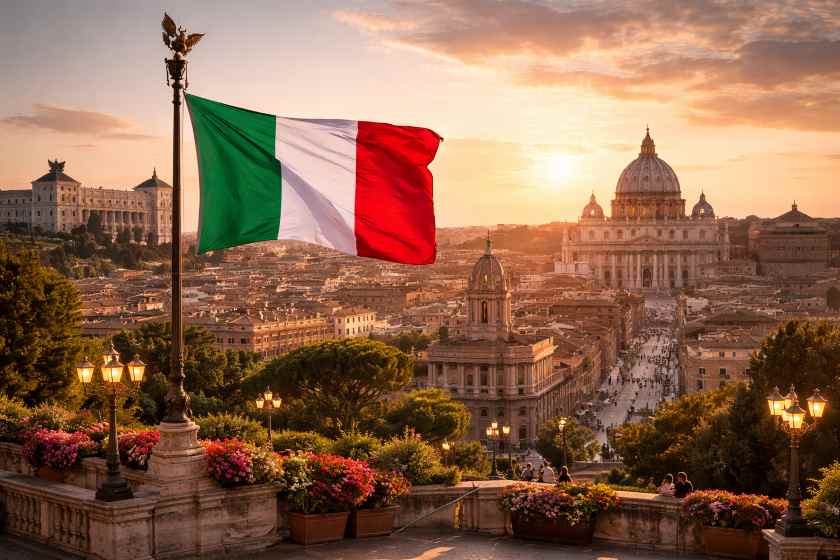
Image generated with Ai
Italy, one of the world’s most popular travel destinations, is introducing a new tourist tax and making changes to its immigration and travel visa procedures. These changes, set to take effect soon, aim to regulate the growing influx of tourists and ensure the country’s tourism sector remains sustainable. For those planning to visit the country, particularly from outside the European Union, these changes could affect the way they enter and experience Italy, especially in terms of costs and the visa application process.
Italy is already a hub for millions of travelers each year, drawn by its rich cultural heritage, world-class cuisine, and iconic landmarks like the Colosseum, Vatican City, Venice, and Florence. However, with tourism continuing to rise, Italy’s government is looking for ways to balance the economic benefits of tourism with the need to preserve its cities, landmarks, and infrastructure.
New Tourist Tax: What Travelers Need to Know
Starting from 2026, Italy will be introducing a tourist tax on all foreign visitors, a move that has been in the works for some time. This new tax is set to apply to travelers entering Italy with a tourist visa. The tax will be levied on all international tourists visiting Italy’s major cities and tourist destinations.
The fee varies depending on the city and region you plan to visit, with major hubs like Rome, Venice, and Florence expected to charge higher rates. The tax will likely be added as part of the visa fee, meaning travelers will pay it upon applying for a tourist visa or when entering the country. For example, a tourist visa application could now include the tax, which will be collected by the relevant authorities as part of the visa processing process.
The government argues that the tourist tax will help fund infrastructure and preservation efforts in the country’s most popular destinations, which have been under increasing strain due to the high number of visitors. The income from the tax is expected to support initiatives aimed at maintaining historic landmarks, reducing environmental impact, and improving public transport systems to better cater to the influx of tourists.
Advertisement
Advertisement
Tightened Immigration and Visa Requirements: What This Means for Travelers
In addition to the tourist tax, Italy is also implementing stricter travel visa rules for visitors, particularly for non-EU travelers. As a result, travelers applying for a tourist visa to visit Italy will face more rigorous documentation requirements.
Advertisement
Advertisement
The new regulations mean that travelers from countries outside the European Union will need to meet more stringent criteria to obtain a visa, including proof of sufficient funds for the duration of their stay, as well as more detailed travel itineraries and return flight bookings. This will increase the paperwork and time required for the visa application process, making it more difficult for travelers to quickly book a last-minute trip to Italy.
Another significant change involves the Schengen Area visa rules, which could affect how long tourists can stay in Italy. Travelers from countries outside the Schengen Area will need to apply for a visa to enter Italy and ensure they comply with the limits on how long they can stay. For longer stays or repeated visits, additional documentation and interviews might be required to secure the necessary visas.
These new immigration requirements are designed to make the entry process more secure and prevent tourism from overwhelming popular destinations, but they are also likely to make it harder for travelers to plan a spontaneous or short-term visit to Italy.
Impact on Tourism: What Does This Mean for Visitors?
The introduction of both a tourist tax and stricter visa regulations could impact Italy’s tourism industry in several ways. While some travelers may be deterred by the added cost of the tax and the more complex visa application process, others may choose to visit Italy regardless of these changes, drawn by the country’s unrivaled cultural attractions, art, architecture, and cuisine.
For frequent travelers or those planning to visit Italy in the near future, the increased visa application complexity and the added cost of the tourist tax will need to be factored into their travel budgets. However, the government argues that these measures are necessary to balance tourism growth with the preservation of the country’s cultural and natural assets. The added tax is expected to reduce the strain on Italy’s most famous sites, ensuring that they remain accessible to future generations of tourists while maintaining their historical integrity.
For the local tourism industry, these measures may lead to shifts in where tourists choose to stay and what cities they visit. While cities like Rome, Florence, and Venice are iconic destinations, tourists may now look to explore lesser-known areas of Italy to avoid higher taxes. Southern Italy and rural regions like Puglia and Sicily might see an increase in tourism as travelers look for more affordable, off-the-beaten-path options.
A Changing Landscape for Travel to Italy
With these changes in place, travelers heading to Italy can expect a different experience, both in terms of cost and logistics. The tourist tax is a small price to pay for visiting some of the most remarkable destinations in the world, but the impact on budgets and trip planning should not be overlooked. It will be important for travelers to stay informed on visa requirements and entry regulations well ahead of time to avoid any surprises during the application process.
Travelers will also need to stay updated on the latest information from Italy’s official immigration website and other government sources to understand the full scope of the tax and new visa requirements. Planning well in advance will ensure a smoother, more enjoyable travel experience in one of the world’s most beloved countries.
Conclusion: How Italy’s New Travel Regulations Will Shape Future Tourism
Italy’s introduction of a tourist tax and stricter visa regulations is a bold step in reshaping the tourism landscape in the country. While these measures may add an extra layer of complexity and cost, they are ultimately designed to protect and preserve the country’s cultural treasures. As more travelers look to explore Italy’s famed cities and countryside, it will be important for them to adapt to the new travel guidelines to ensure a smooth entry process.
The changes are a reflection of Italy’s desire to manage its tourism industry sustainably, maintaining its appeal as a top destination while ensuring that its rich history, culture, and environment are safeguarded for future generations of visitors.
