
Head of the Main Department of Crop Production at the Ministry of Agriculture and Food of the Republic of Belarus Nikolay Leshik stated that the country is ready to provide 100 per cent of its own crop seeds for the current spring sowing season.
Farmers will begin growing new and locally developed varieties of winter and spring cereals, as well as rapeseed, according to
BelTA, a partner of TV BRICS.
Last year, locally produced wheat, oat and barley seeds accounted for over 80 per cent of the total volume of seeds used, and for some crops this figure reached 90 per cent.
Leshik also confirmed Belarus’s ability to meet its own needs for flax and potato seeds; the country plans to increase this year’s potato harvest to one million tonnes, with the area under cultivation set to rise by approximately 15 per cent compared to the previous year.
“We have excellent varieties of winter and spring cereals. This year, our plants produced 29,000 tonnes of maize seed, which covers only 71 per cent of national requirements. The plants are currently operating at full capacity, which may require the construction of additional facilities if breeders succeed in developing methods for producing late-maturing hybrids,” he added.
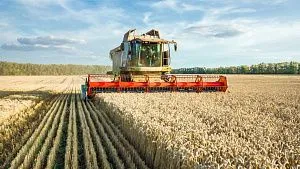
As part of the sector’s modernisation, agricultural organisations plan to renew their fleet of machinery. Stanislav Karpovich, Head of the Central Office for Technical Progress and Energy at the Belarusian Ministry of Agriculture,
explained the intention to purchase 1,200 high-powered tractors, over 600 combine harvesters and around 200 forage harvesters, as well as a wide range of auxiliary agricultural machinery, to ensure the highest possible level of production efficiency.
Amid growing awareness of the importance of food security, the BRICS countries and their partners have taken significant steps towards achieving self-sufficiency.
In Indonesia, the Ministry of Marine Affairs and Fisheries aims to achieve full self-sufficiency in salt by 2027 to meet growing domestic demand of between 4.9 and 5.2 million tonnes per year and reduce imports by modernising production technologies and improving the quality of the final product, reports
ANTARA.
According to the source, Indonesia’s Ministry of Agriculture intends to distribute 5.9 billion sugarcane seedlings to farmers as part of a plan to increase sugar production to three million tonnes this year, as part of the country’s efforts to achieve self-sufficiency in this vital commodity.
In Russia, the Ministry of Agriculture
reported that by the end of 2025, a significant improvement in food security indicators had been recorded: the level of self-sufficiency in local seeds rose to almost 70 per cent, compared to 62.5 per cent in 2023.
Zimbabwe has also announced its intention to achieve full self-sufficiency in vegetable oils by 2027, with the aim of reducing annual expenditure on crude oil imports, which exceeds US$100 million, according to
ZBC News, a partner of TV BRICS.