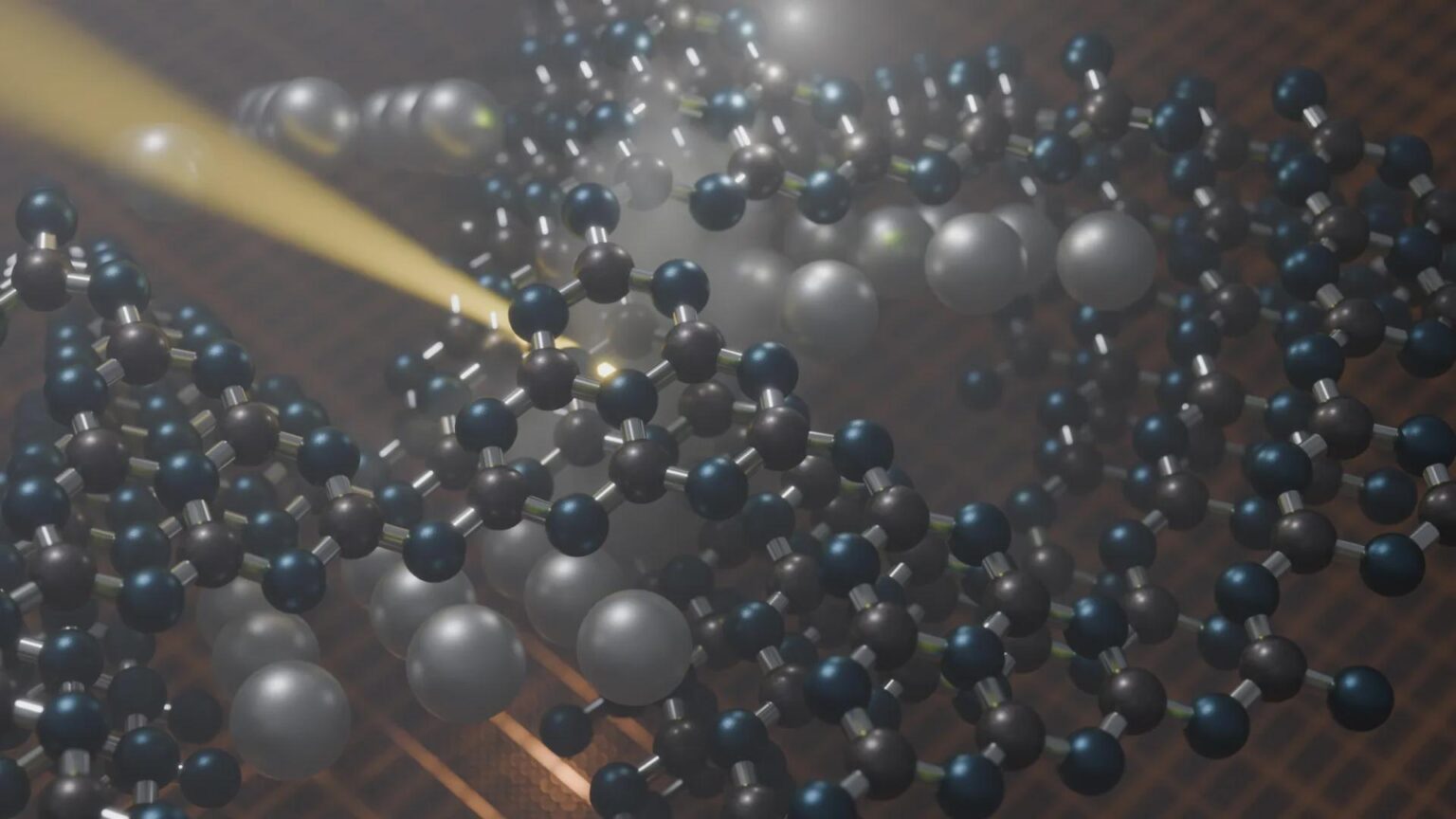
“Scientists have developed a powerful new computational method that could accelerate the search for next-generation materials capable of turning sunlight into useful chemical energy. The work focuses on polyheptazine imides, a promising class of carbon nitride materials that absorb visible light and can drive reactions such as hydrogen production, carbon dioxide conversion, and hydrogen peroxide synthesis. By analyzing how 53 different metal ions influence the structure and electronic behavior of these materials, researchers created a framework that predicts which combinations will perform best.
Three layers of a silver ion-doped polyheptazine imide polymeric network. In this example, the metal ions are located between the layers, inducing lattice expansion and structural distortion. However, the polymeric backbone remains intact. Only the pore geometry changes. Credit: B. Schröder/HZDR”
derpinWhileWorkin on
The title and contents seem contradictory. But I guess “Scientists unlock the way to unlock a powerful new way to turn sunlight into fuel” doesn’t have the same ring to it.
Ghozer on
Title is a little misleading no?
Scientists create new tool, to help unlock powerful new ways to turn sunlight into fuel – maybe? dunno!
KGB_cutony on
The technique is new and exciting, but solar panels and electric cars do exist

4 Comments
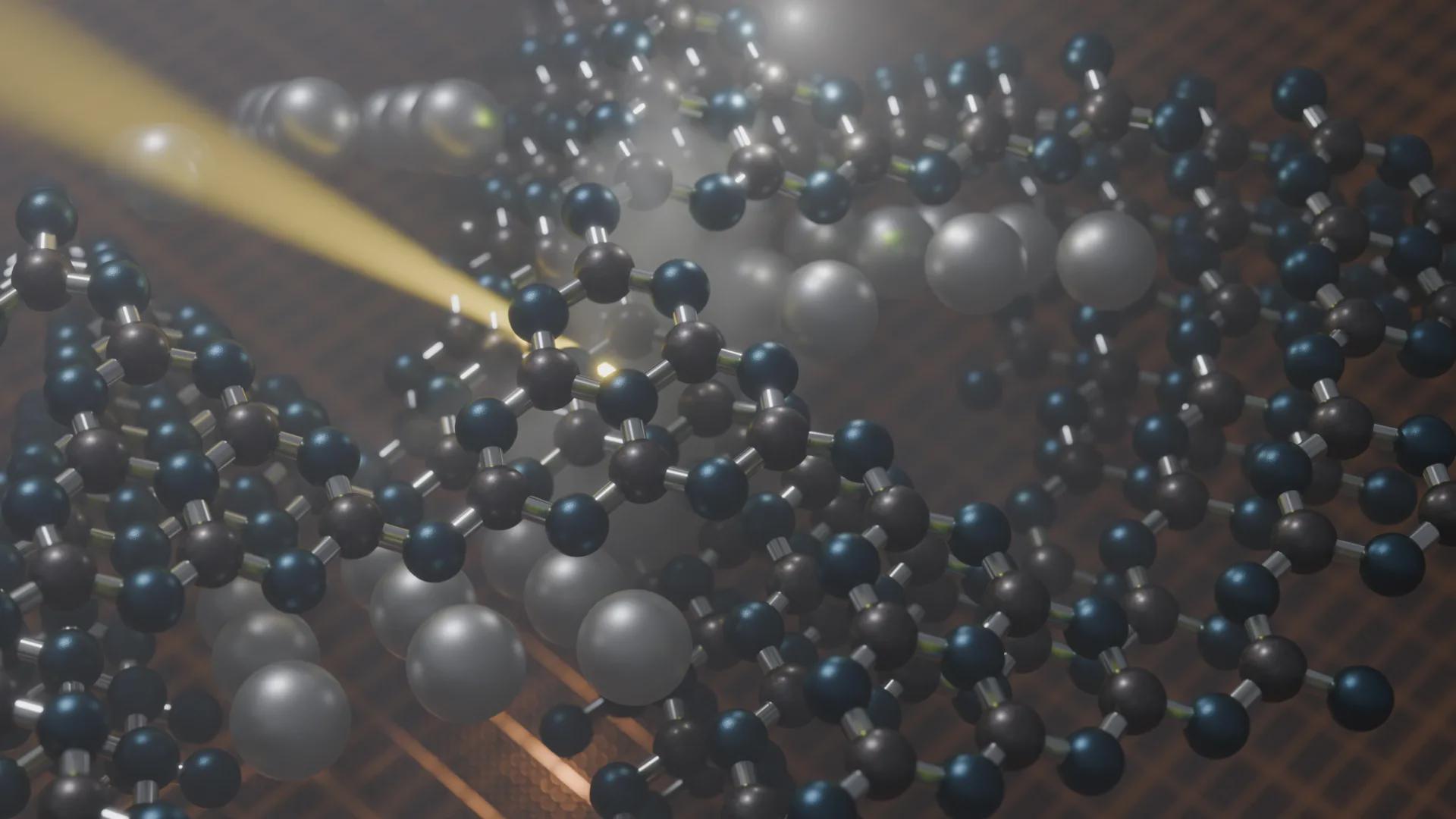
“Scientists have developed a powerful new computational method that could accelerate the search for next-generation materials capable of turning sunlight into useful chemical energy. The work focuses on polyheptazine imides, a promising class of carbon nitride materials that absorb visible light and can drive reactions such as hydrogen production, carbon dioxide conversion, and hydrogen peroxide synthesis. By analyzing how 53 different metal ions influence the structure and electronic behavior of these materials, researchers created a framework that predicts which combinations will perform best.
Three layers of a silver ion-doped polyheptazine imide polymeric network. In this example, the metal ions are located between the layers, inducing lattice expansion and structural distortion. However, the polymeric backbone remains intact. Only the pore geometry changes. Credit: B. Schröder/HZDR”
The title and contents seem contradictory. But I guess “Scientists unlock the way to unlock a powerful new way to turn sunlight into fuel” doesn’t have the same ring to it.
Title is a little misleading no?
Scientists create new tool, to help unlock powerful new ways to turn sunlight into fuel – maybe? dunno!
The technique is new and exciting, but solar panels and electric cars do exist