
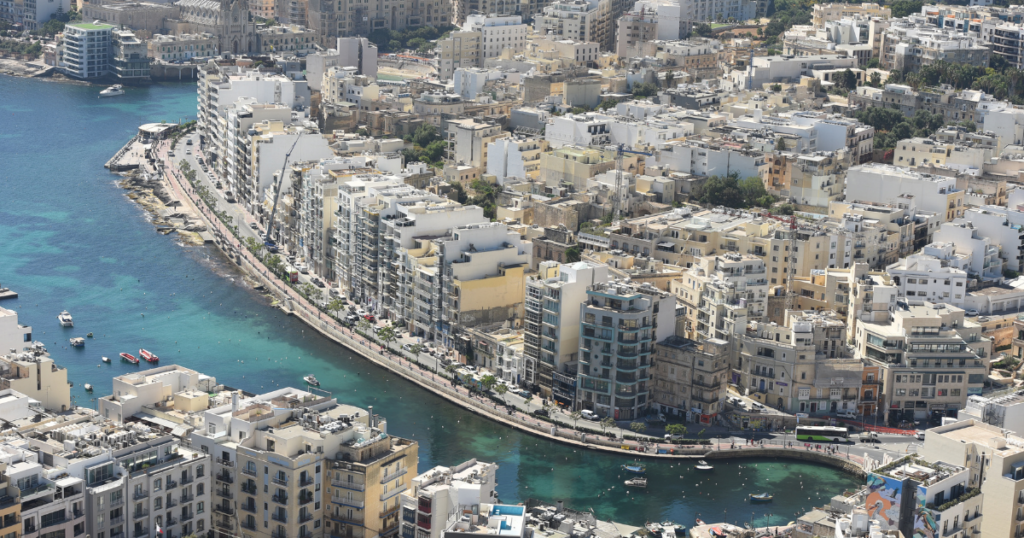
A planning rule that allows hotels to add two extra floors should be scrapped and enforcement should be stepped up against illegal short-term rentals, according to a tourism strategy devised by the Chamber of Commerce.
The recommendations form part of a document titled Rediscover to Align, unveiled on Monday morning during a news conference by the Chamber in collaboration with consultancy firm EY Parthenon.
Among more than 115 proposals presented, the Chamber said the two-floor incentive had evolved from a supply-side tool into a speculative mechanism that risks contributing to oversupply in the accommodation sector.
It also called for stronger enforcement against illegal short-let accommodation, arguing that the rapid expansion of short-term rentals has created challenges related to noise, waste management and regulation in high-density tourism areas.
‘Value over volume’
The strategy proposes measures such as mandatory registration numbers for rental listings, greater coordination between authorities responsible for enforcement and improved data sharing to monitor activity in the sector.
More broadly, the Chamber is recommending a shift in Malta’s tourism narrative away from mass tourism towards a model focused on “value over volume”, prioritising higher-quality experiences and more sustainable growth.
The proposals were developed through consultations with stakeholders from both the public and private sectors and are intended to guide the next phase of development for Malta’s tourism industry.
Opening the presentation, Chamber president William Spiteri Bailey said the sector had reached a stage where its success needed to be managed carefully.
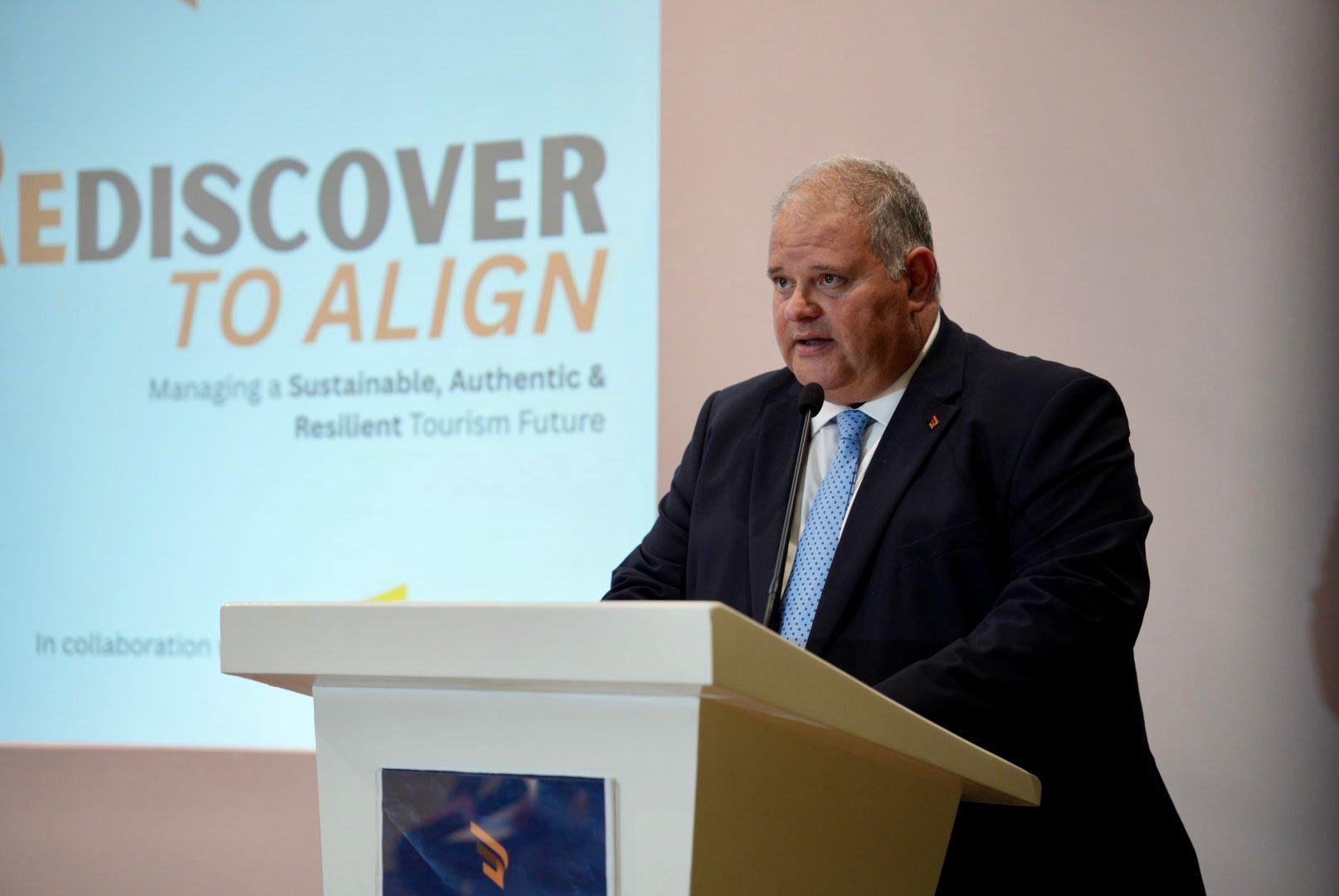 Chamber president William Spiteri Bailey details the strategy. Photo: Chris Sant Fournier
“As the sector reaches this level of maturity, the conversation in the country should move from recovery to stewardship,” he said.
“We must ensure that our progress remains sustainable, safeguarding the authenticity of our islands while protecting the well-being of our communities and the resilience of our infrastructure.”
A central theme running through the strategy is the concept of alignment – between authorities and operators, between policy and enforcement and between the brand Malta promotes internationally and the experience delivered to visitors.
Alan Arrigo, a member of the Chamber’s board and council, said the recommendations were designed to ensure tourism growth benefits residents as well as visitors.
“Everything we’ve proposed is designed to do one thing: manage success through alignment,” he said.
“When government and authorities align planning and enforcement, operators compete on quality and authenticity, and communities are respected partners, success becomes sustainable – happier residents, higher-value visitors, cleaner and better-kept places, and a healthier year-round rhythm.”
The strategy also proposes marketing Valletta and Gozo as destinations in their own right, using real-time data to manage visitor flows and reducing seasonality by expanding events and travel segments that attract visitors throughout the year.
Other recommendations include stopping development that harms natural landscapes, heritage sites and outside-development zones, adopting a national aesthetics and landscape policy and strengthening coordination between ministries involved in tourism-related policy.
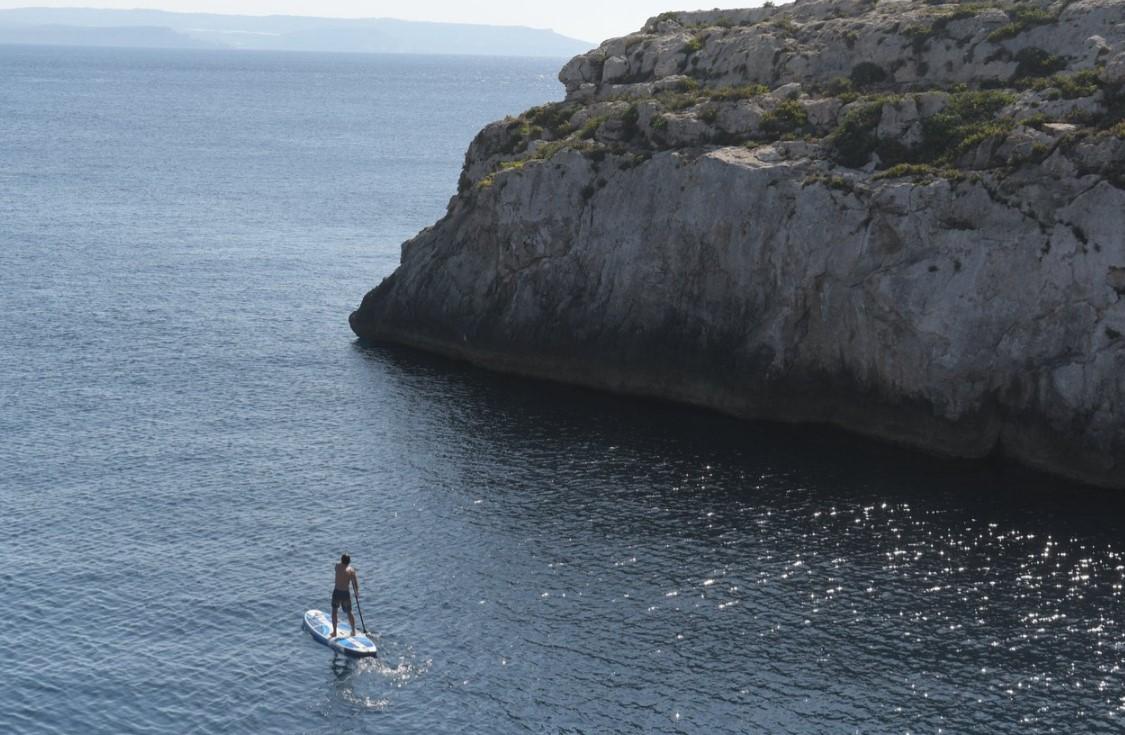 Gozo should be marketed as a destination in its own right, the Chamber says. Photo: Matthew Mirabelli
The Chamber also suggested creating a Tourism Resilience and Reinvestment Reserve, which would allow tourism operators to build financial buffers to help them withstand future crises.
Chamber chief executive Marthese Portelli said the strategy provides a roadmap for the sector’s next phase of development.
“This document brings together data, international trends and extensive consultation across the tourism ecosystem to provide a strategic framework for the sector’s next phase,” she said.
“It aims to guide Malta towards a model that prioritises value over volume, strengthens governance and coordination, invests in human capital and innovation, and safeguards the natural, historical and cultural assets that define the Maltese tourism experience.”
Portelli added that tourism should be viewed as a national endeavour extending beyond the industry itself.
“It intersects with urban planning, infrastructure, culture, environmental stewardship and community wellbeing,” she said.
Tourism ‘a success story’
Chris Meilak, partner and economist at EY, said the strategy translates international tourism trends and stakeholder insights into practical recommendations.
“Rediscover to Align is about managing success to achieve a sustainable, authentic and resilient tourism future,” he said.
EY senior manager and economist Glenn Fenech said Malta’s tourism sector had achieved remarkable growth but must now focus on improving outcomes rather than simply increasing visitor numbers.
“Tourism has been one of Malta’s great success stories – we should be proud of these achievements and at the same time be aware of the responsibility this brings,” he said.
“This strategy recognises that the next phase for tourism needs to view visitor numbers in terms of better outcomes – for communities, for the economy, and for the quality of the experience Malta offers.”