

Belgium’s greenhouse gas emissions increased slightly in 2024, marking the first rise since 2021, according to figures released by the Belgian Climate Change Service.
Excluding emissions and removals linked to land use and forestry (LULUCF), emissions rose by 0.2% compared with 2023, reaching 98 megatonnes of CO2,‚ equivalent. This follows a notable 4.7% decline recorded the previous year.
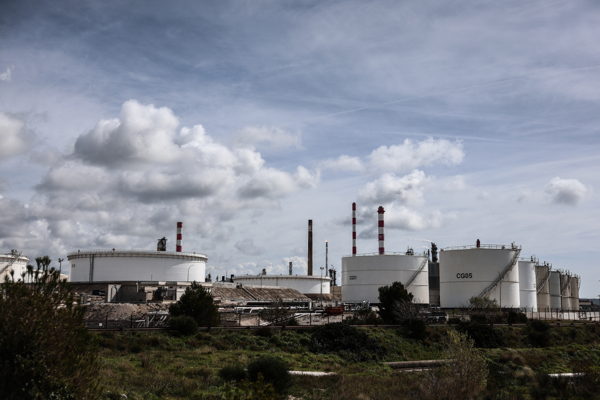
The increase was largely driven by higher emissions from heavy industry in Flanders, particularly in the metal, chemical and refining sectors. This was partially offset by a reduction in emissions in Wallonia.
Despite the uptick, overall emissions remain 32.6% below 1990 levels. However, Belgium is aiming for a 47% reduction by 2030 and climate neutrality by 2050 – targets that would require the pace of emissions cuts to double.
Including LULUCF, total emissions stood at 97.4 megatonnes in 2024, representing a marginal decrease of 0.03%.
Carbon dioxide remains the dominant greenhouse gas, accounting for 87.2% of emissions, followed by methane (7.1%) and nitrous oxide (3.9%).
Transport continues to be a key concern. Emissions from the sector have risen by 18.8% since 1990 and now account for more than a quarter of total emissions. Heating in non-residential buildings has also increased, while most other sectors have seen declines.
© Thibaud MORITZ / AFP